Institute for Ability,
Development & Inclusion
Training and Capacity Building
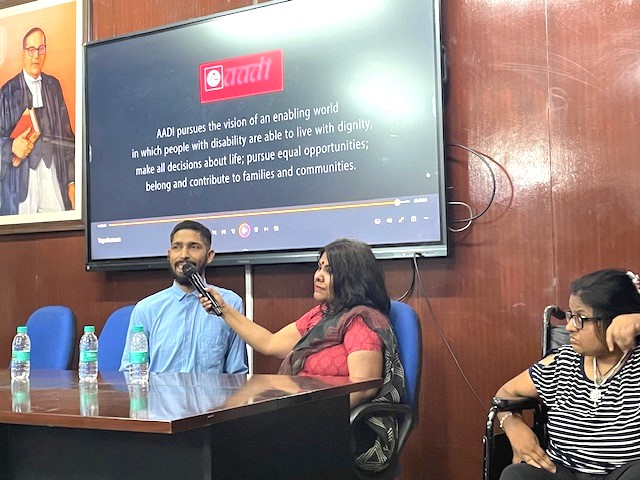
The Institute for Ability, Development and Inclusion (AADI) works to create inclusive and enabling systems that promote equal participation, independent living, and accessibility for persons with disabilities. Through sensitisation, research, and training, the Institute builds the capacity of law and policy makers, civil society, persons with disabilities, and professionals in education, health, mental health, human resources, law, and architecture. It also trains a skilled workforce for caregiving and disability-specific services.
Formerly the School of Rehabilitation Sciences (SRS), AADI collaborated with the Rehabilitation Council of India and Delhi University to train over 700 professionals in the field of disability.
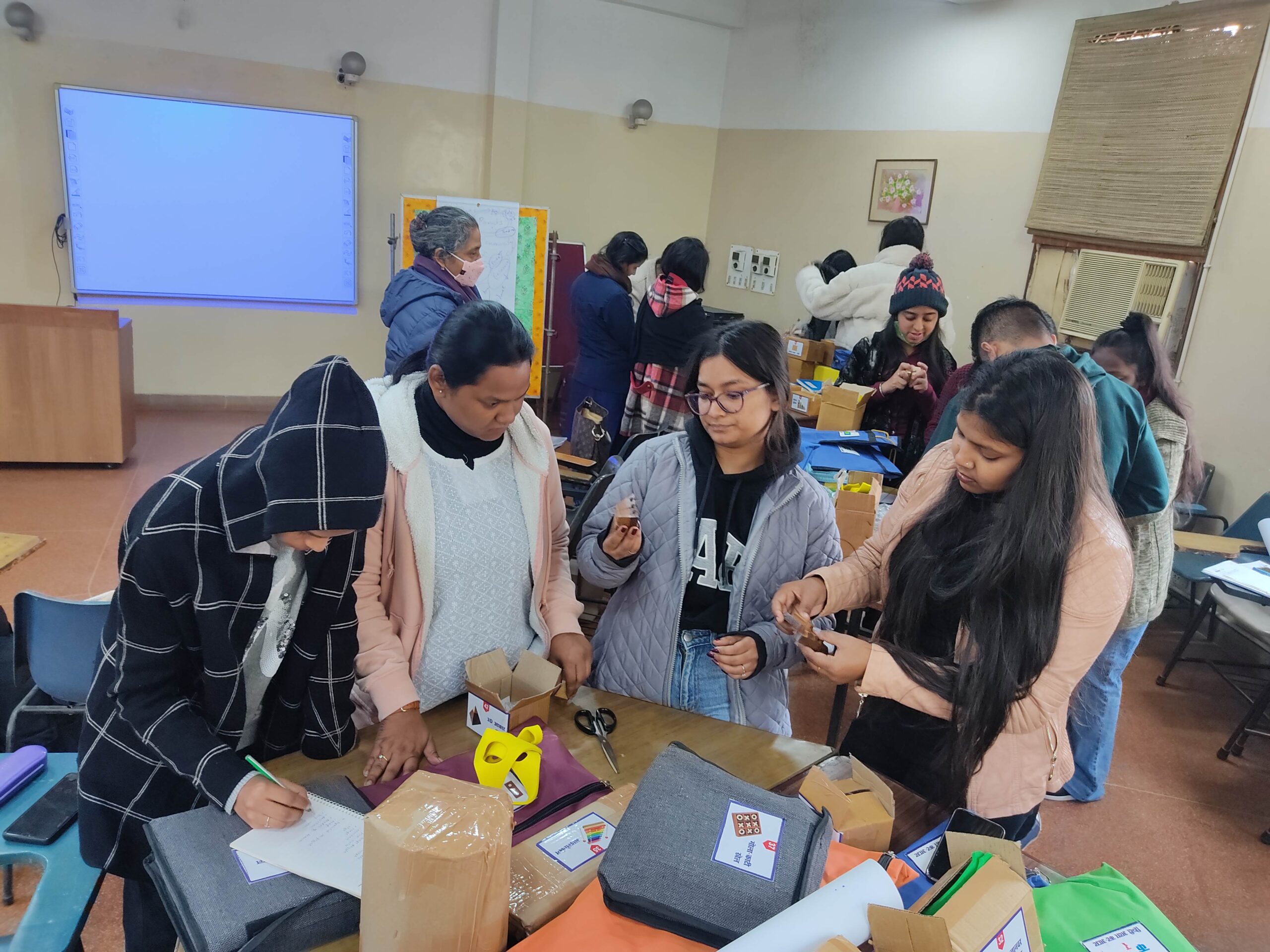
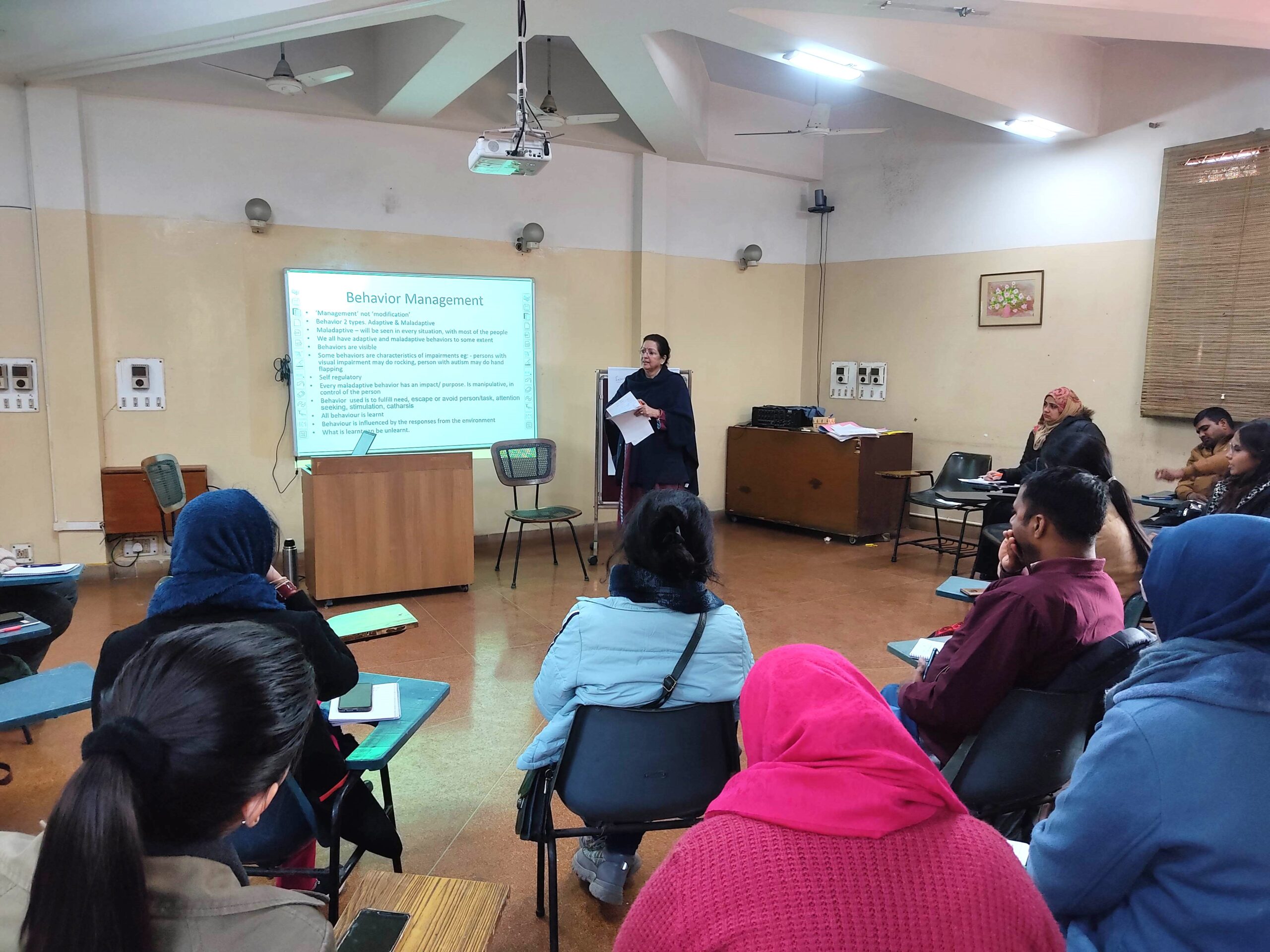
Under Human Resource Development for the Disability Sector, the Institute maps competencies for inclusive practice, designs Certificate, Diploma, and Advanced Diploma programs for education, health, and disability professionals, and integrates the lived experiences of persons with disabilities into teaching. It also delivers modular Continuing Professional Development programs in special education and developmental therapy—advancing a society grounded in inclusion, rights, and universal design.
Engaging and Empowering Stakeholders
Key Initiatives
Service Providers
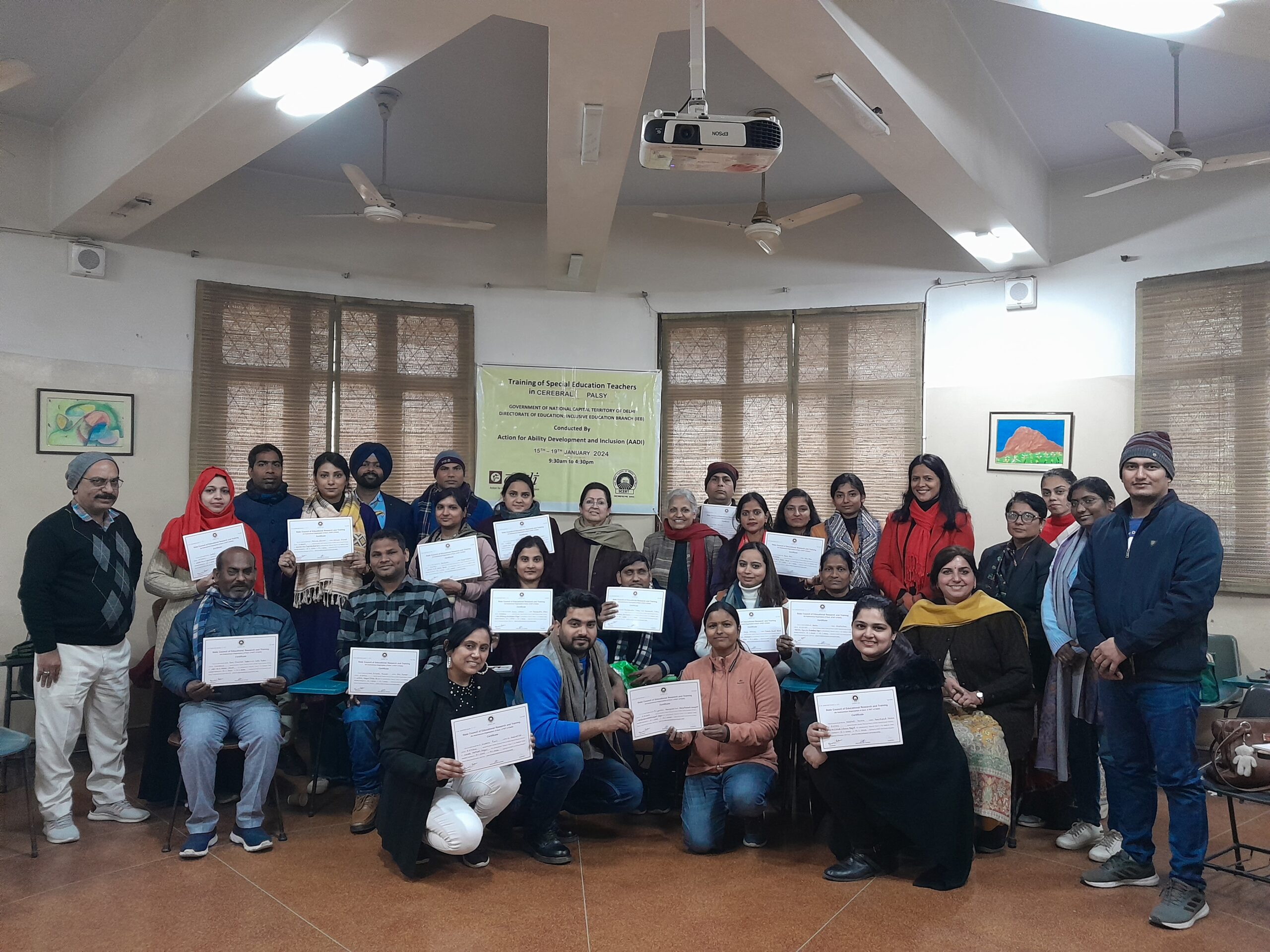
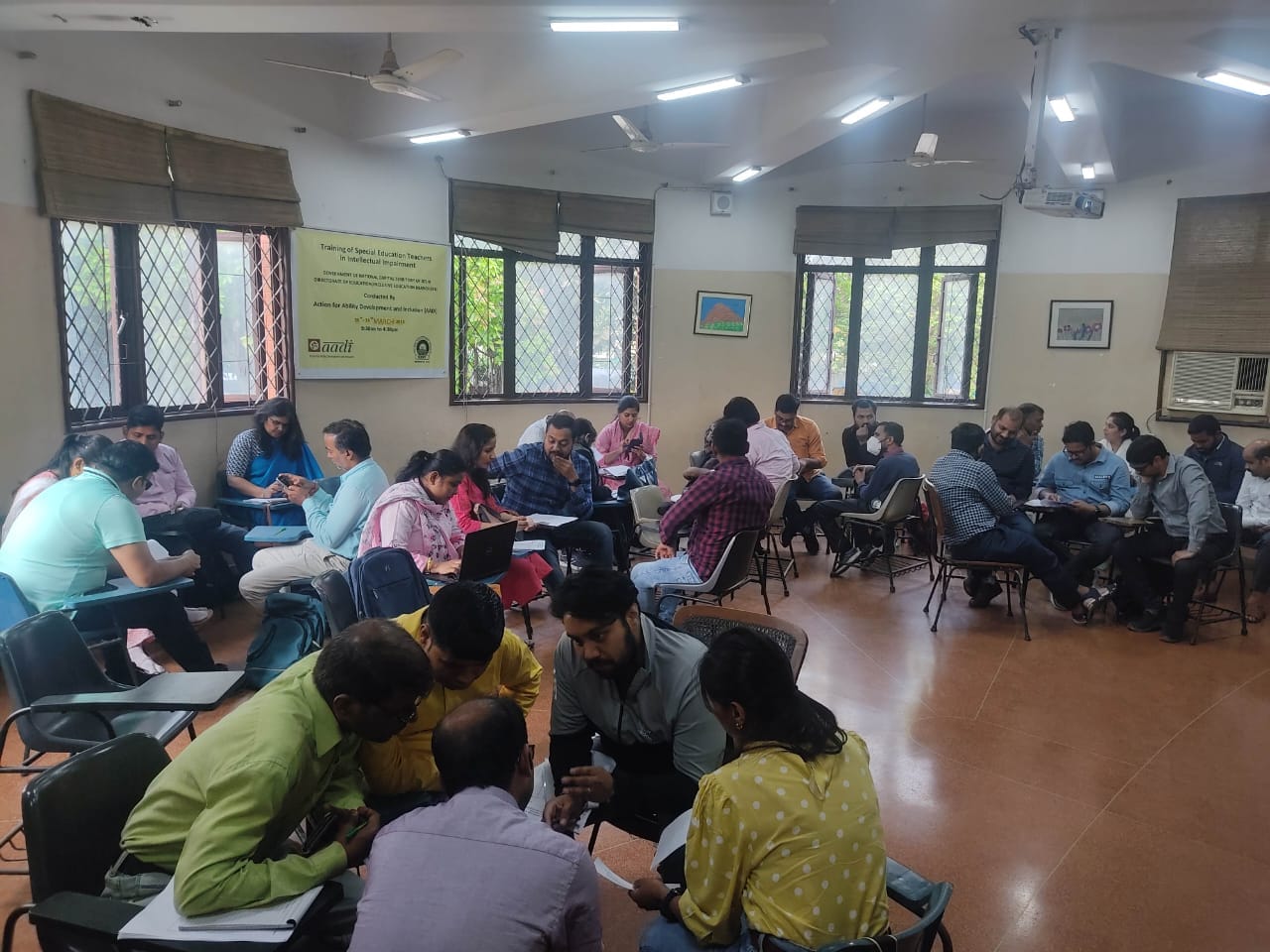
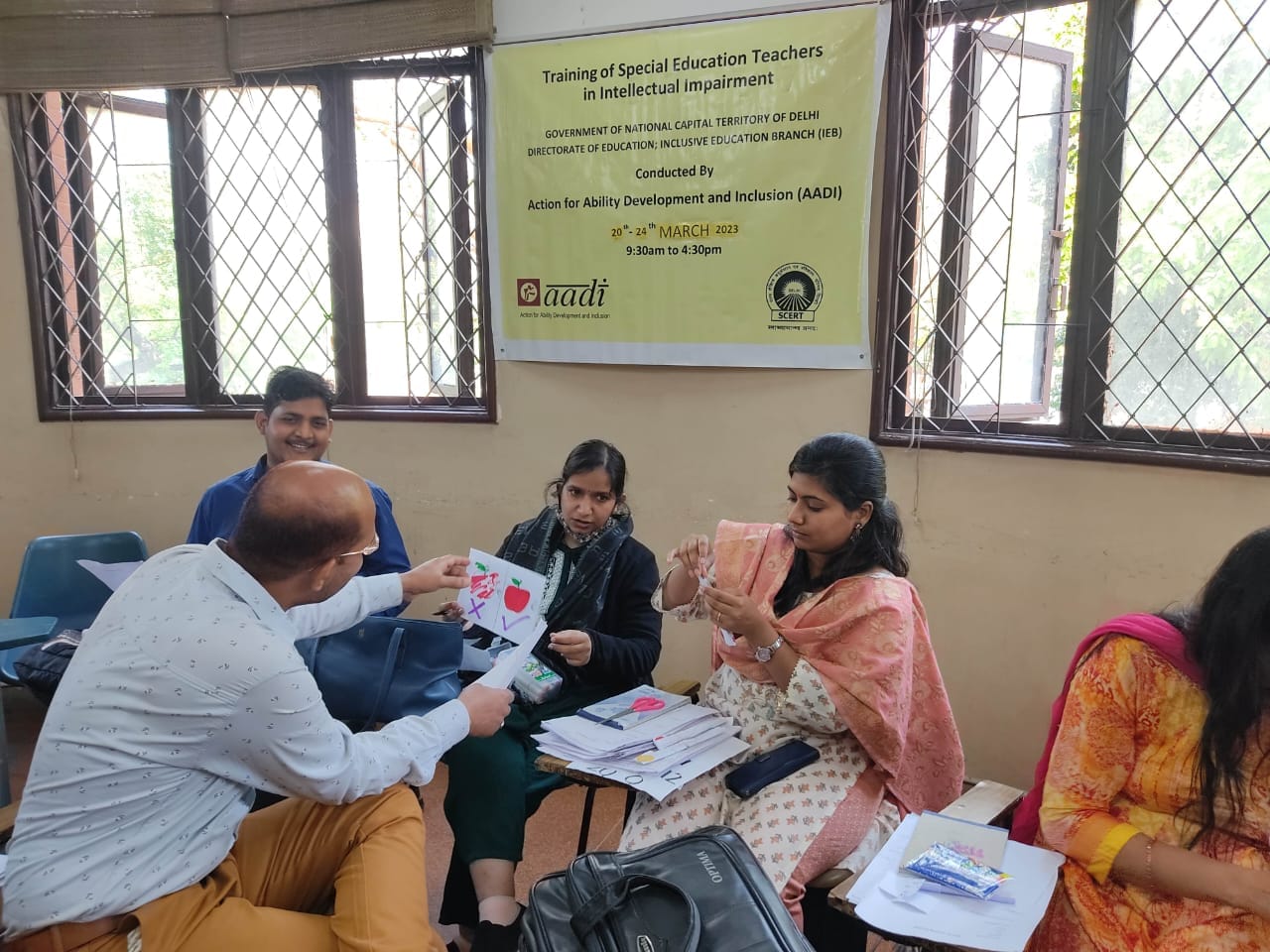
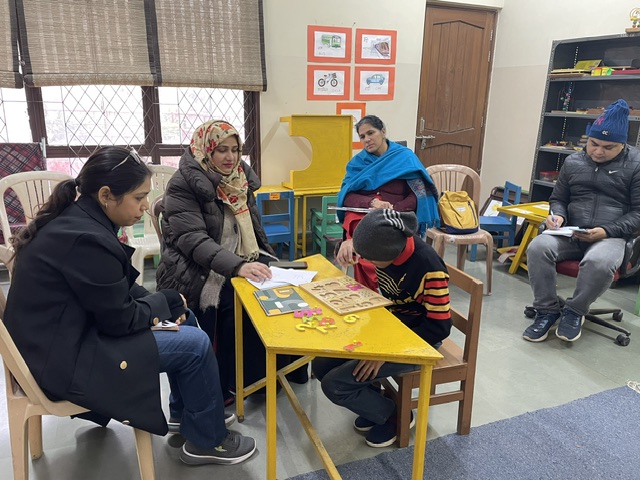
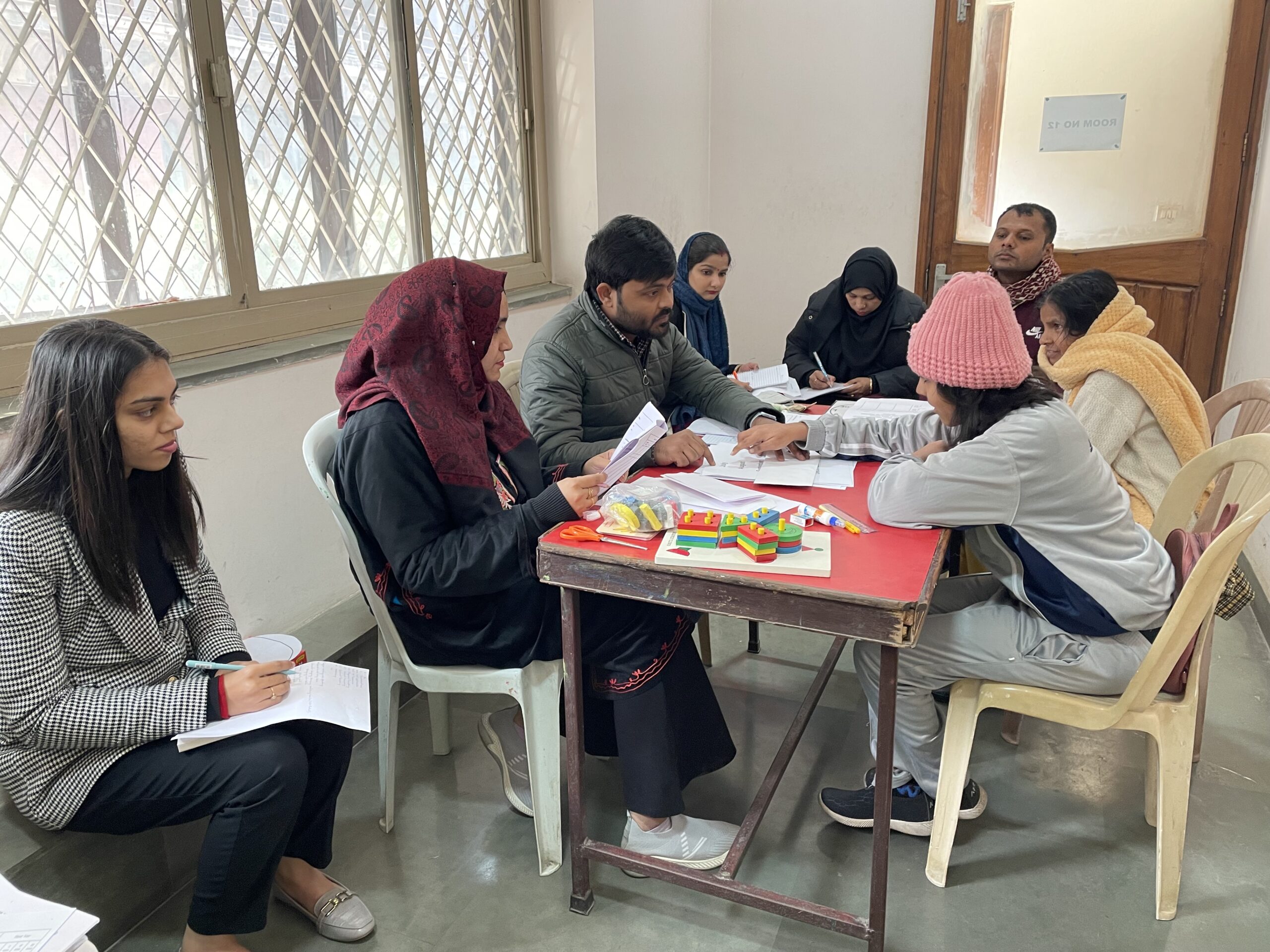
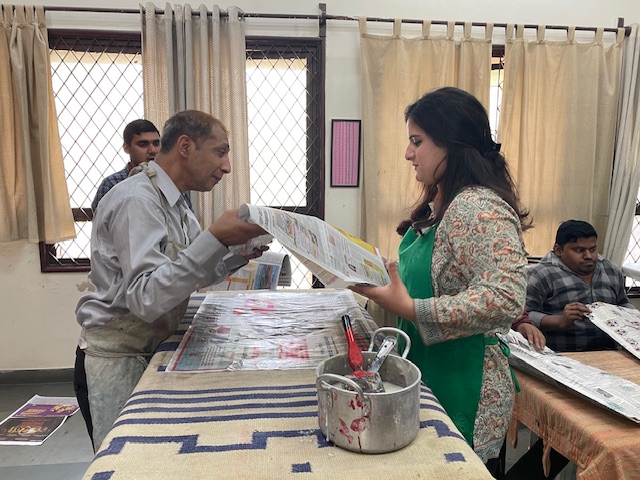
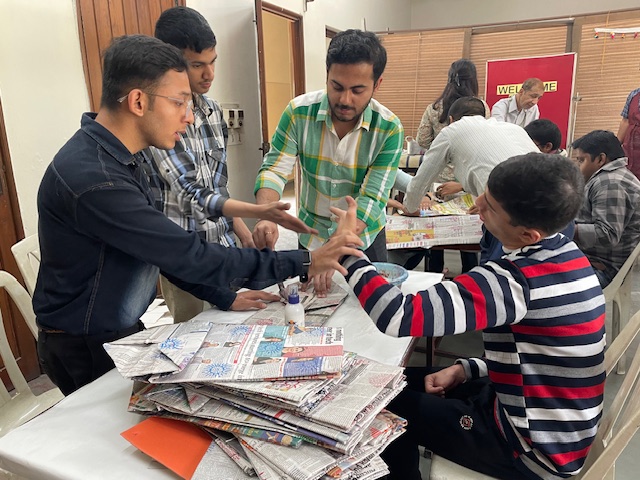
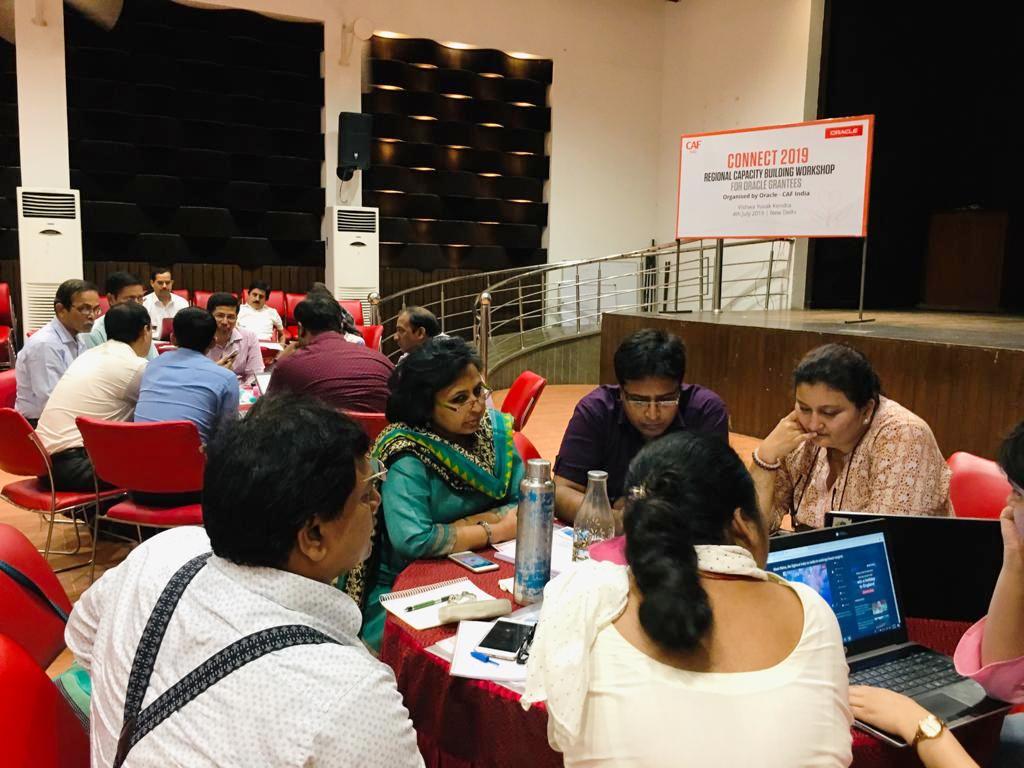
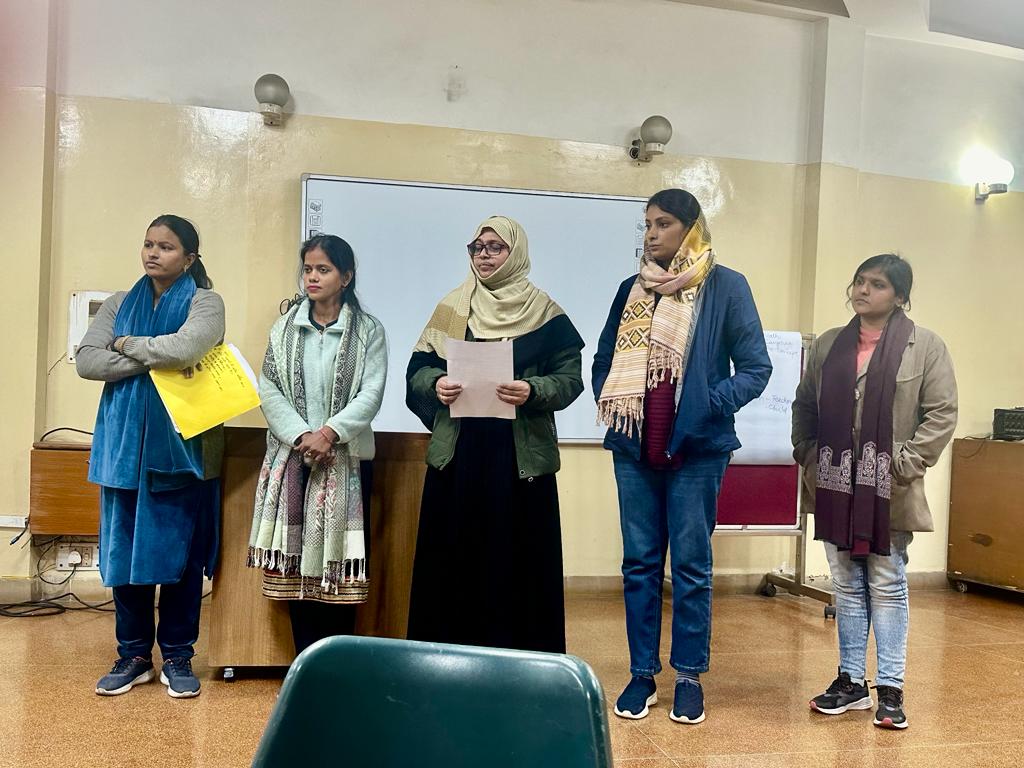
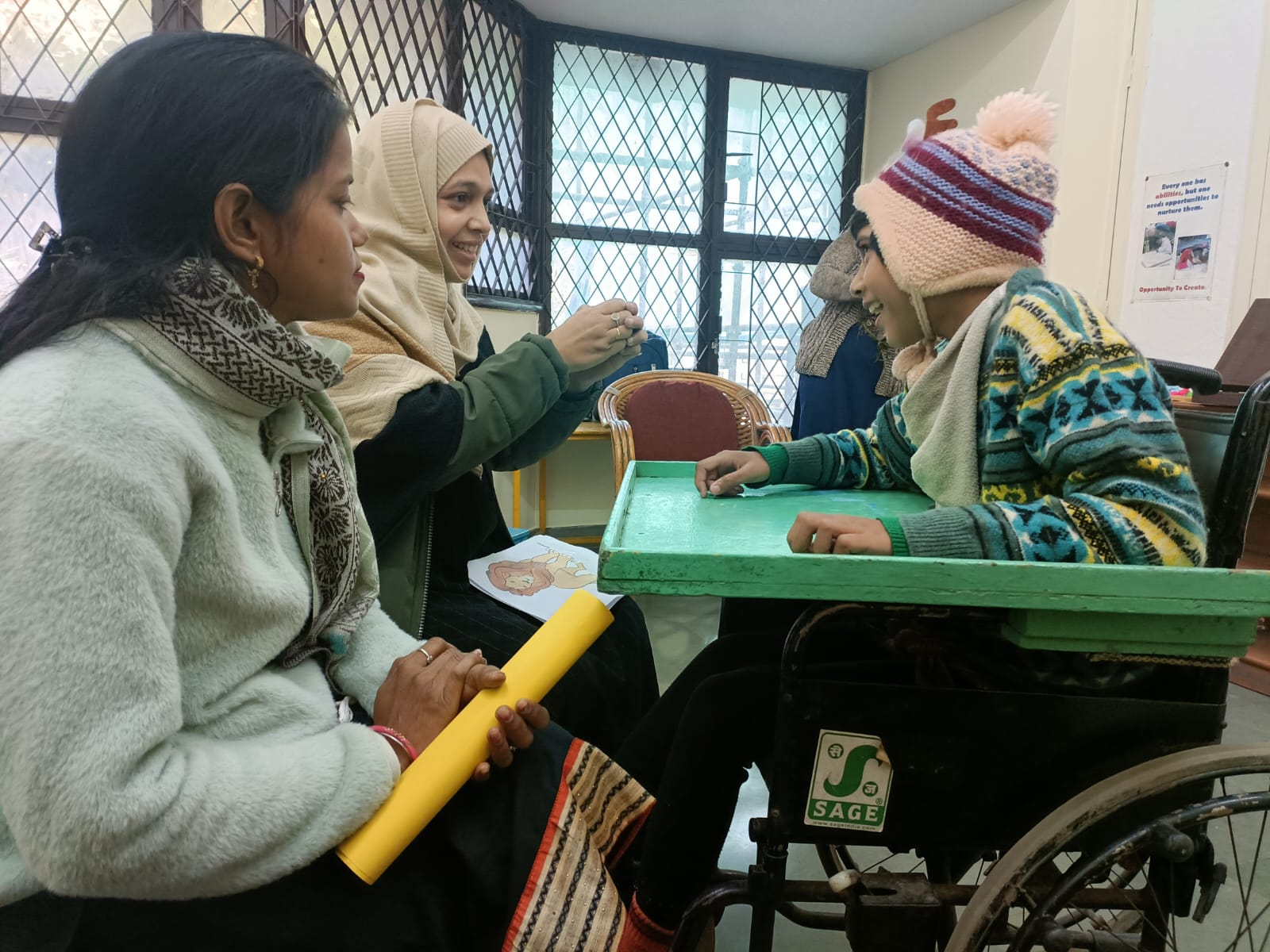
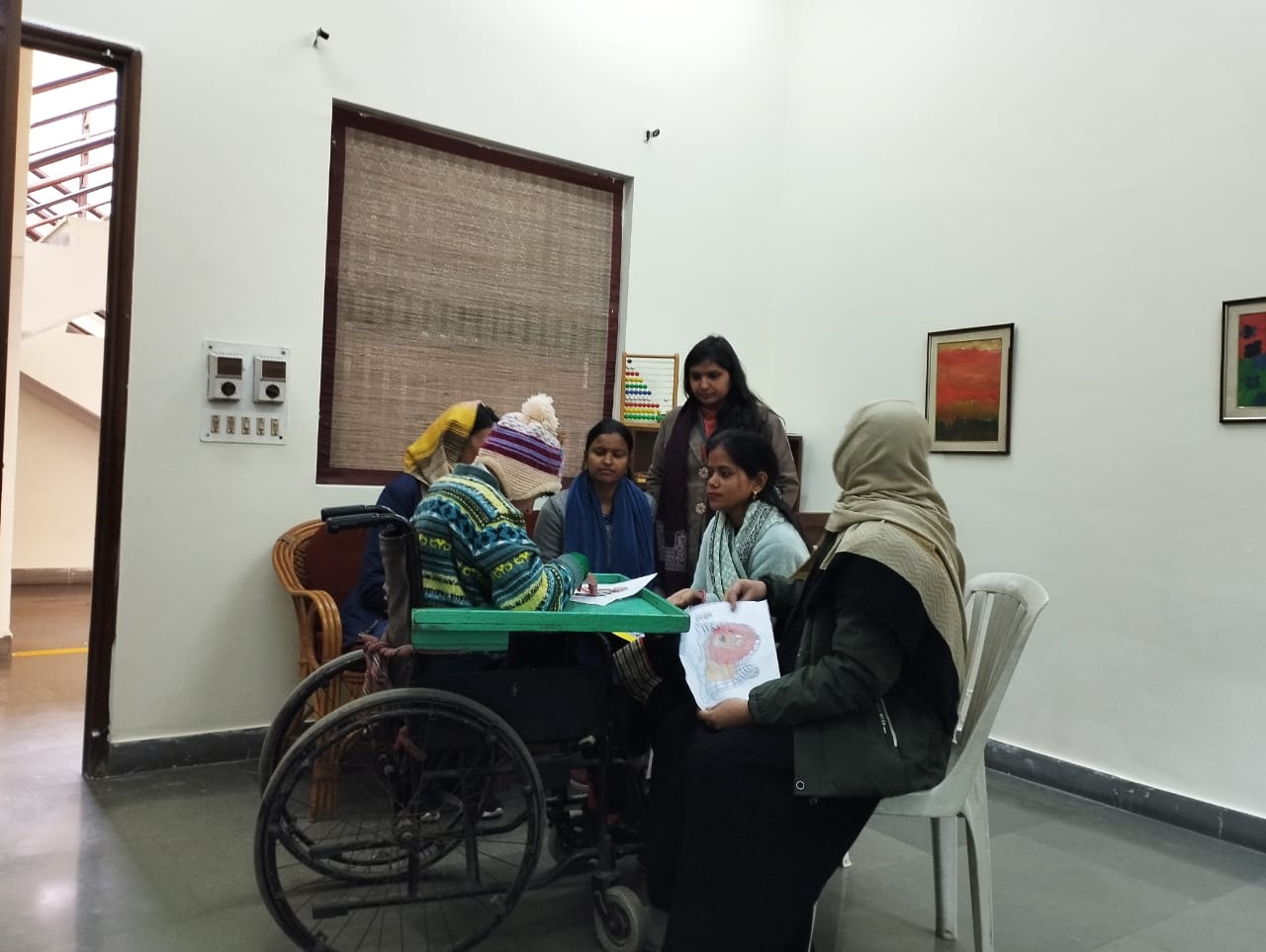
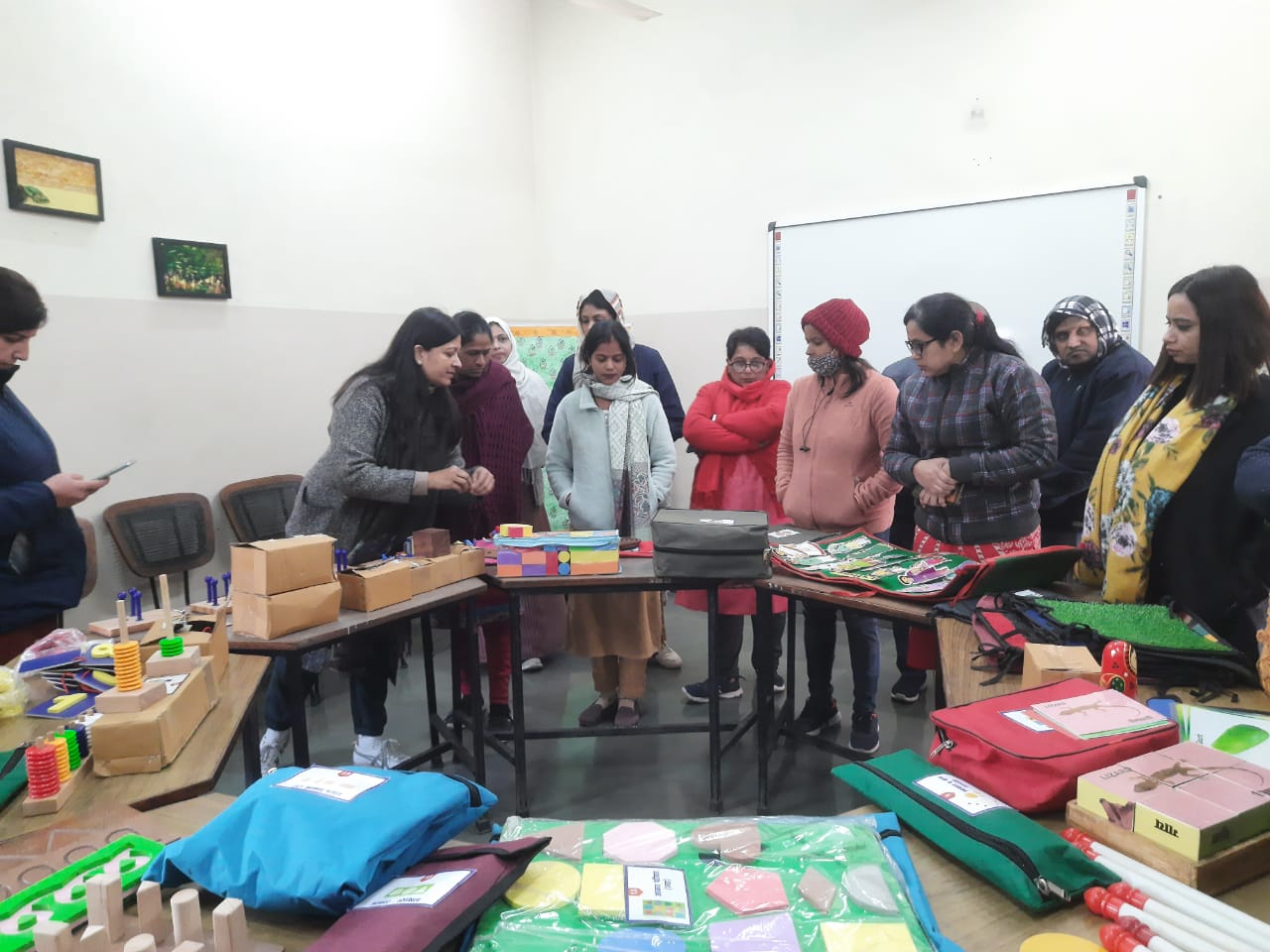
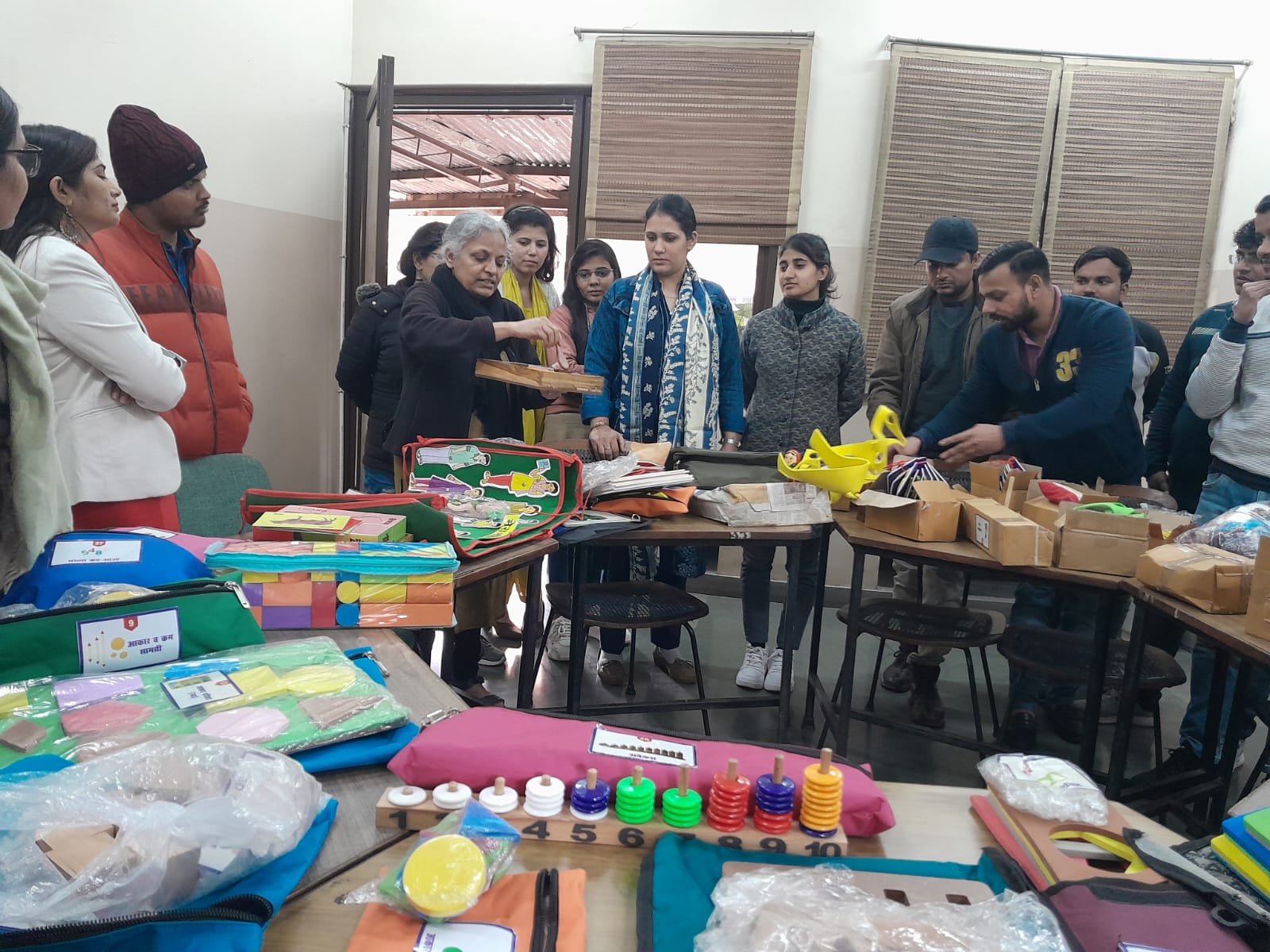
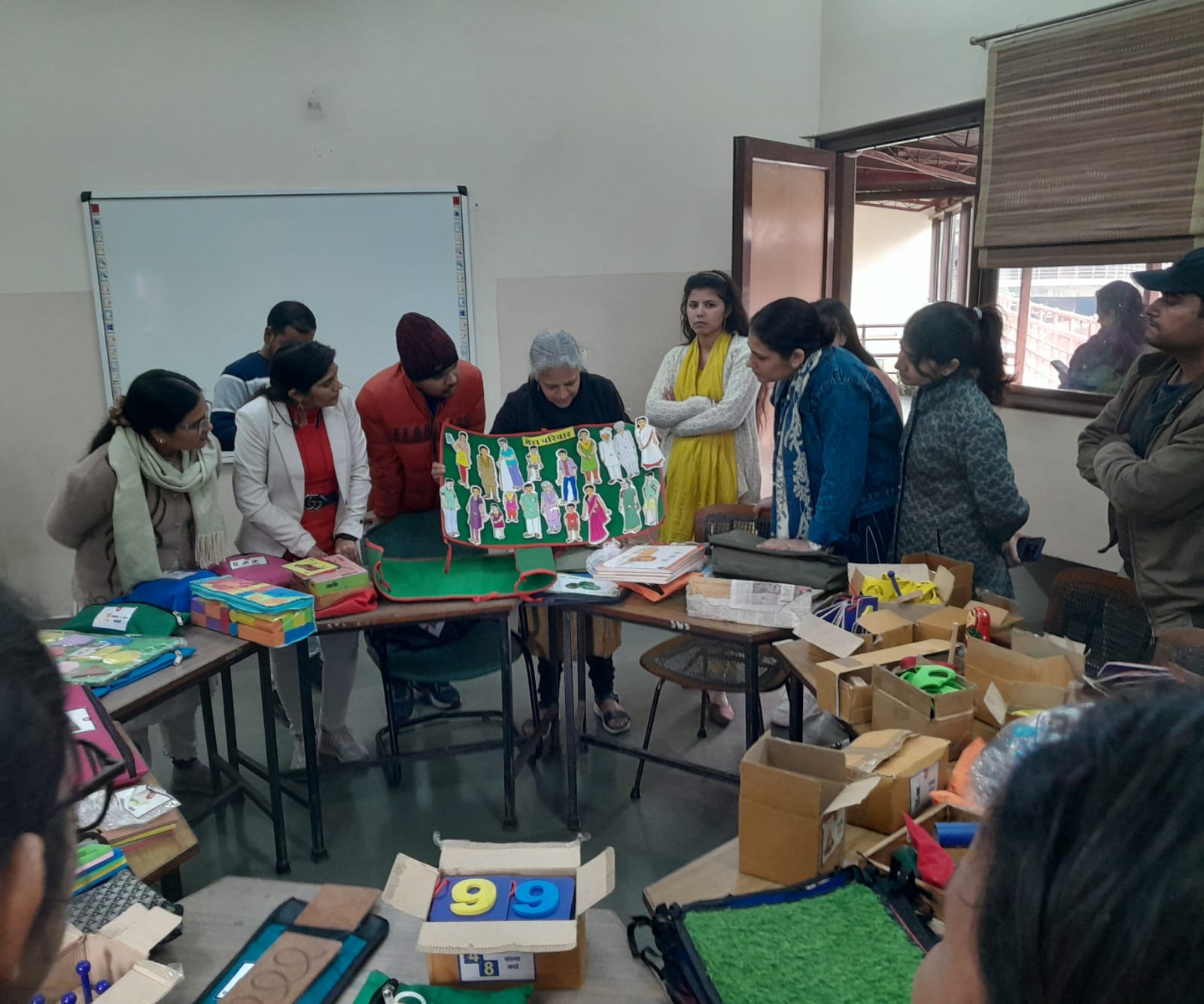
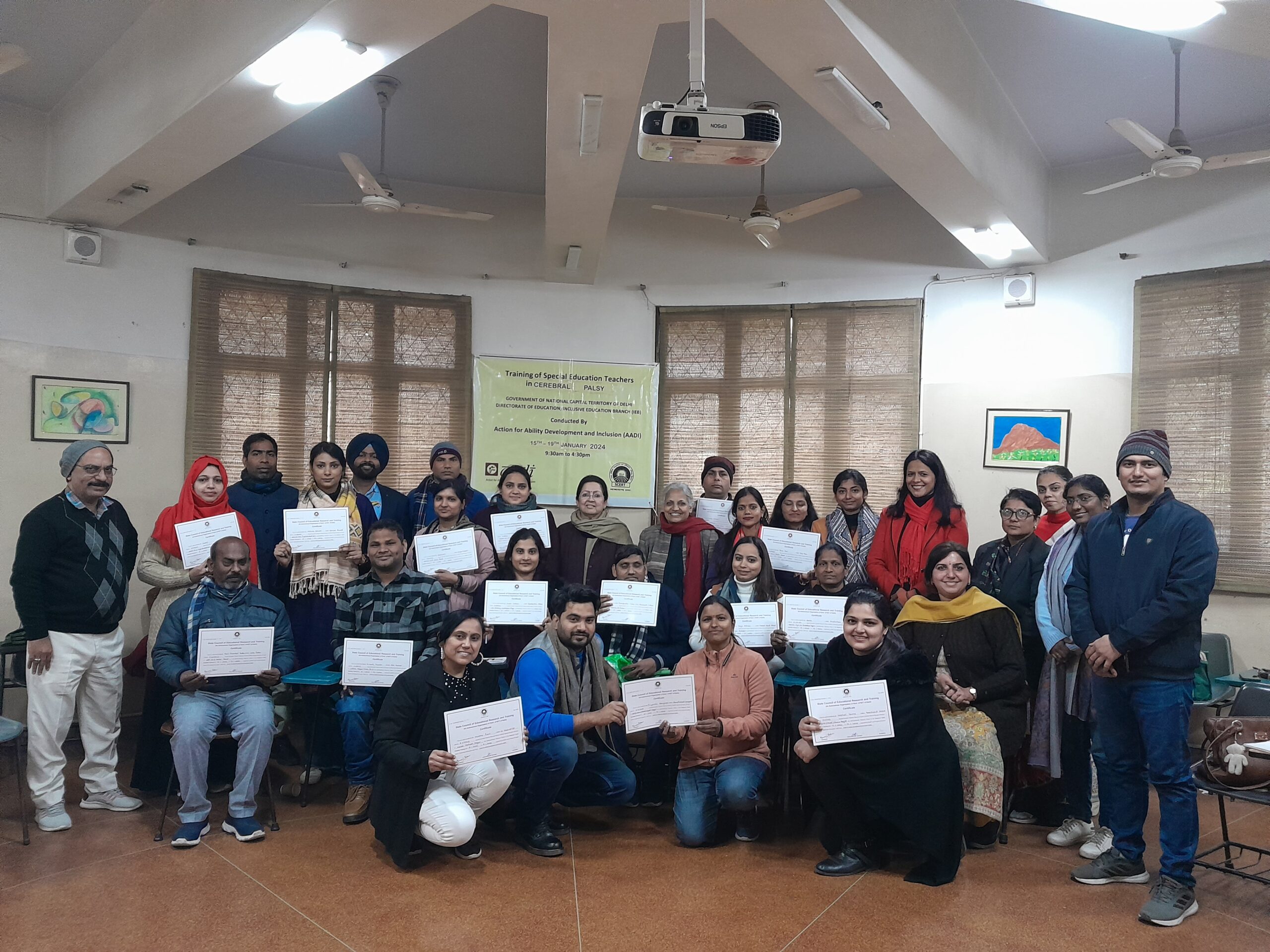
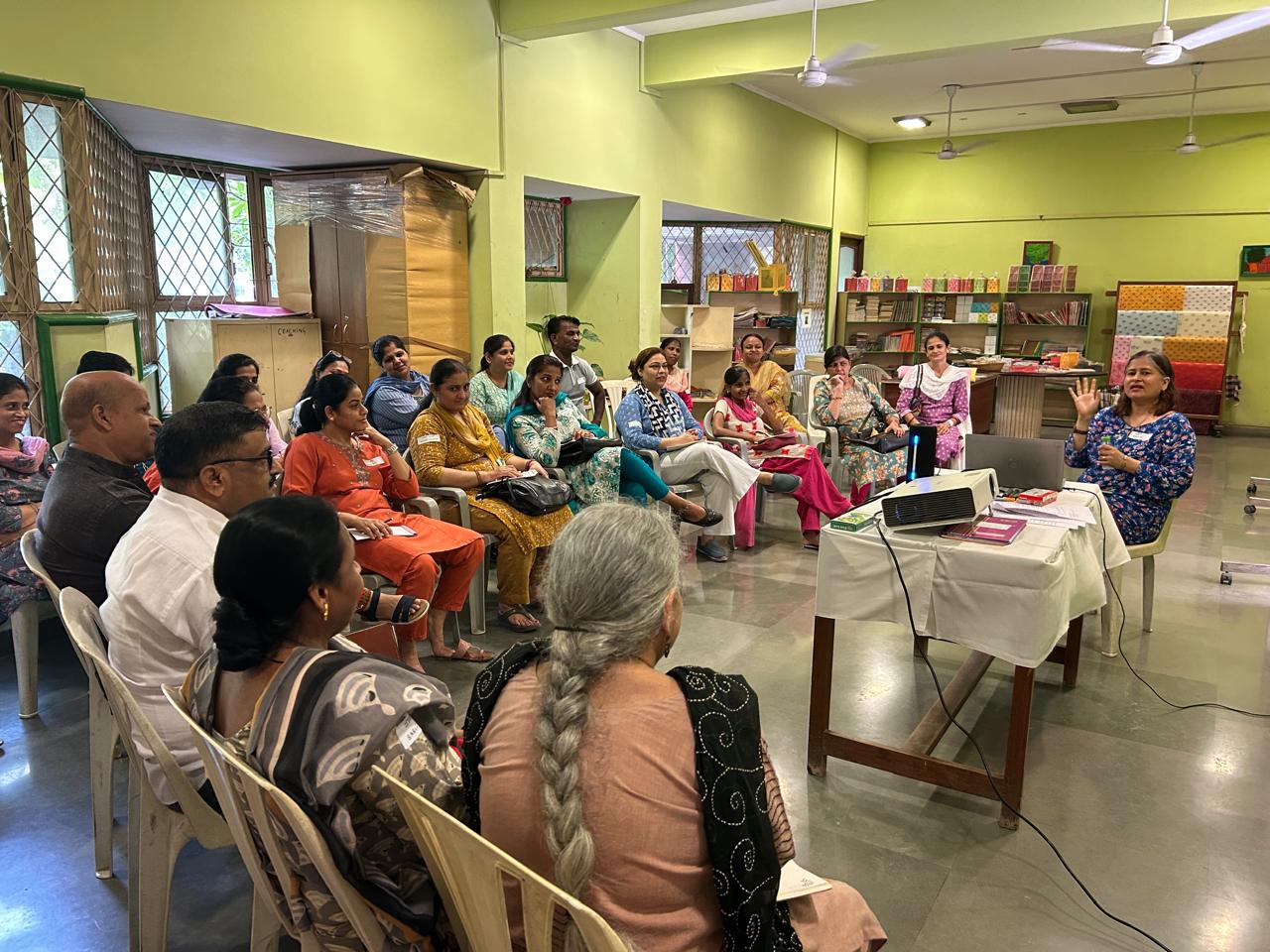
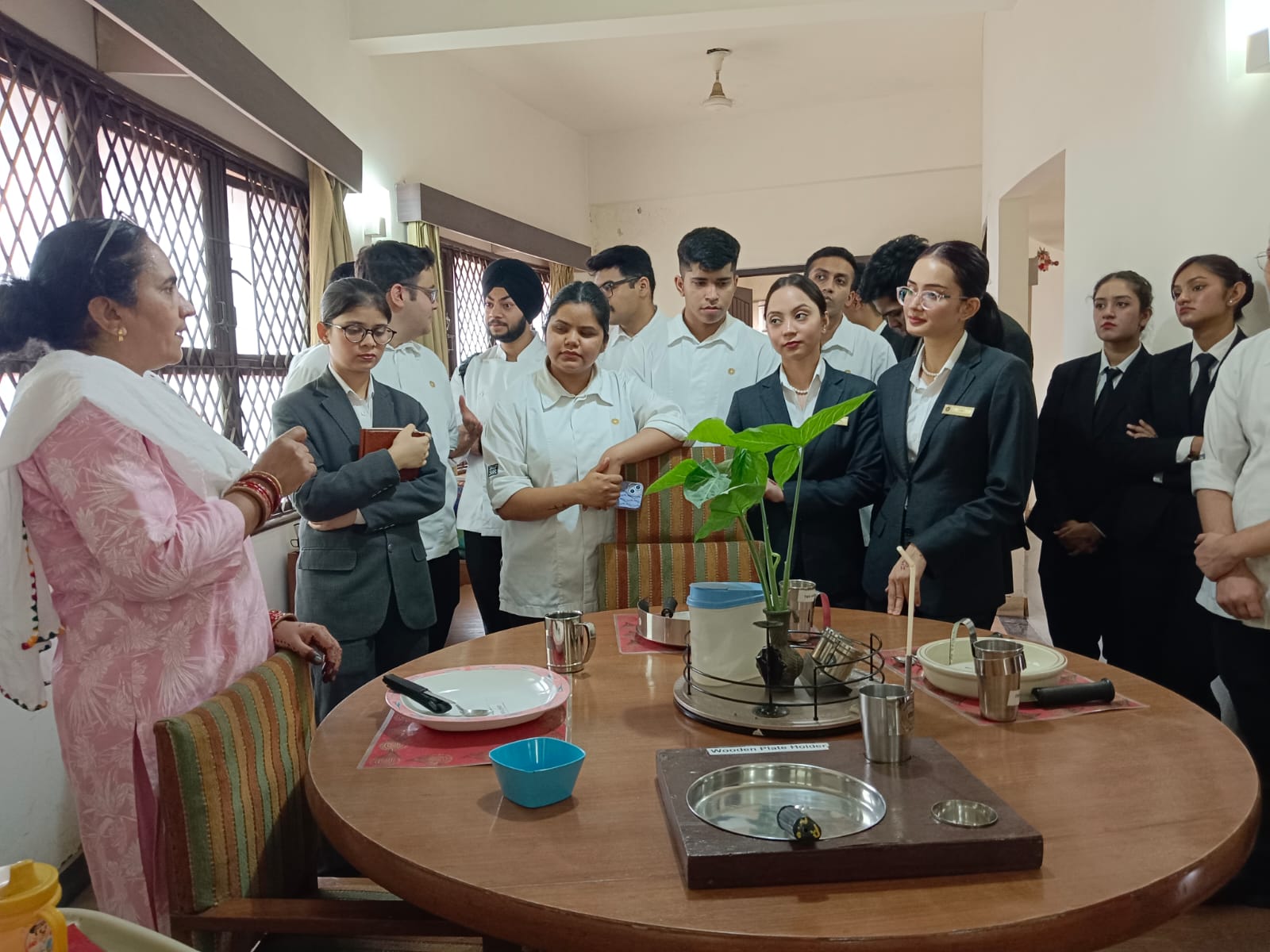
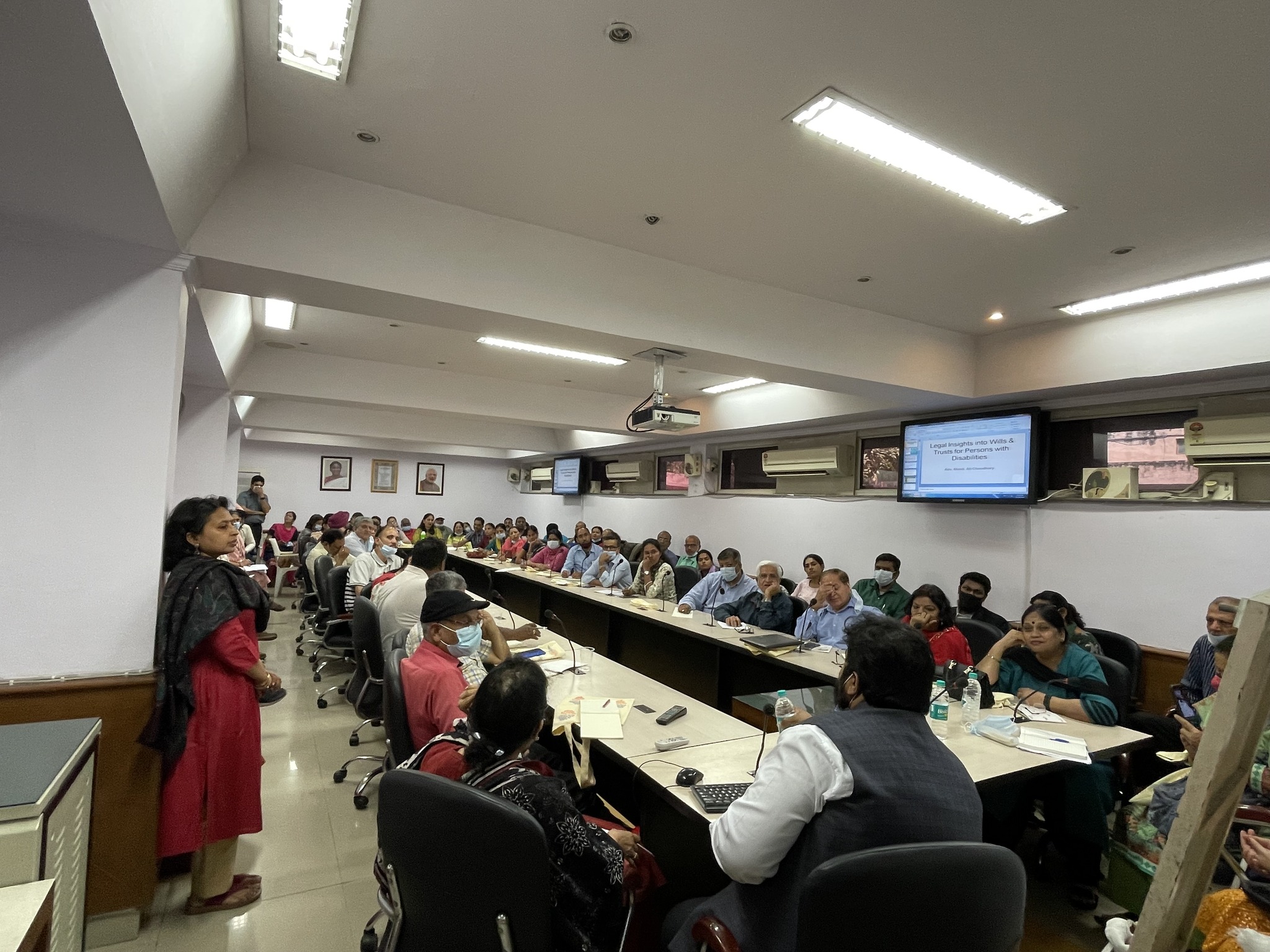
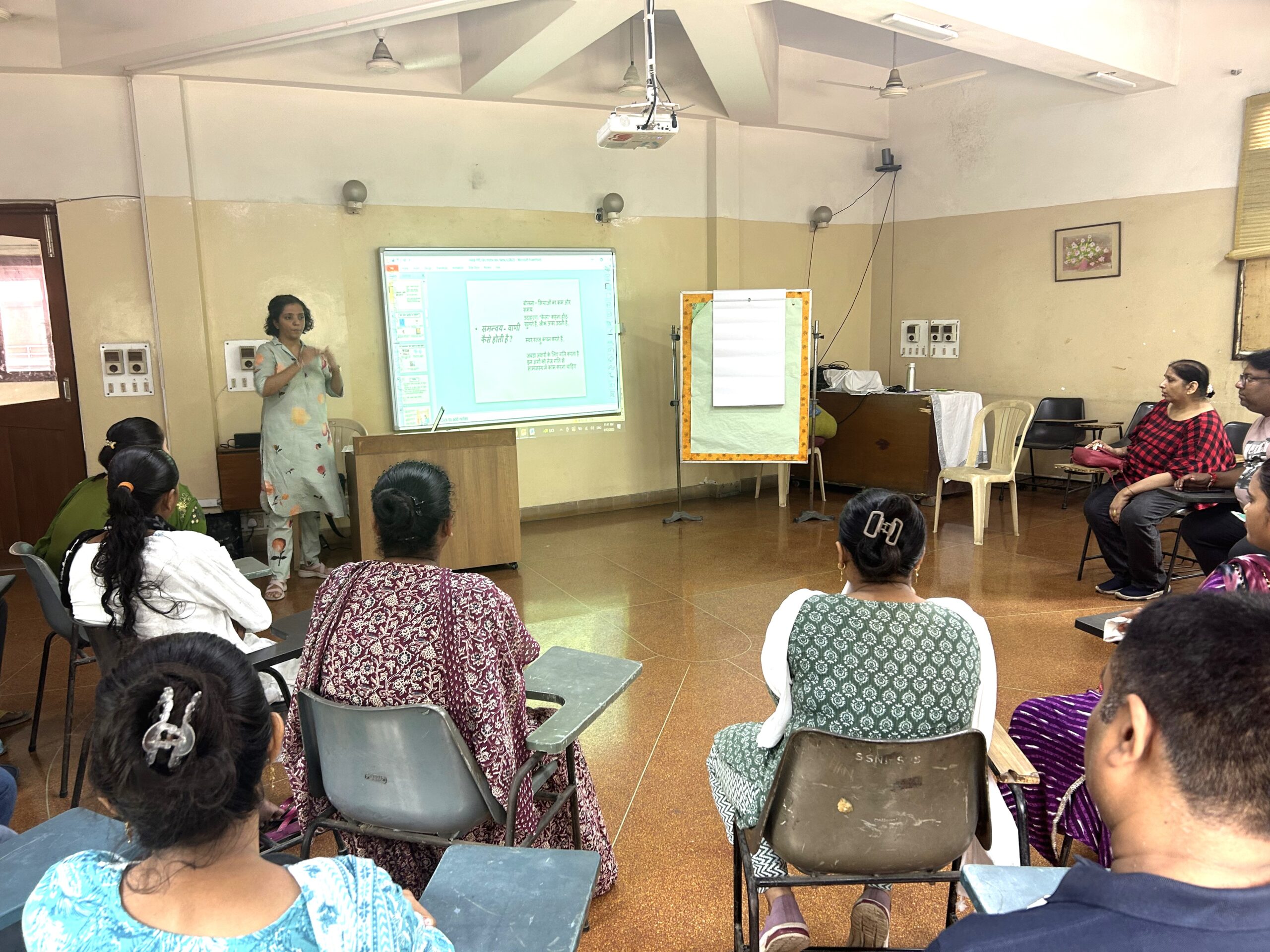
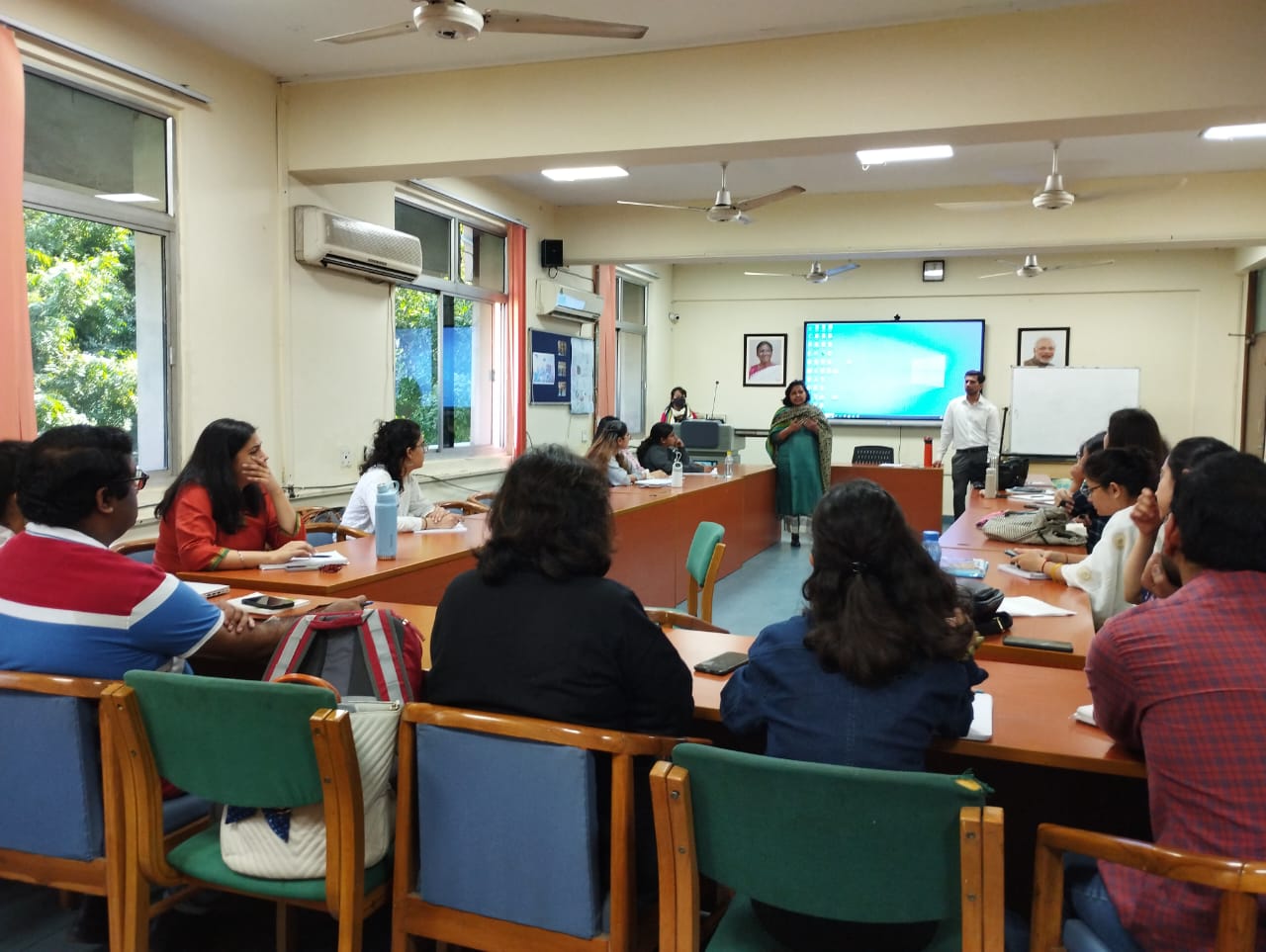
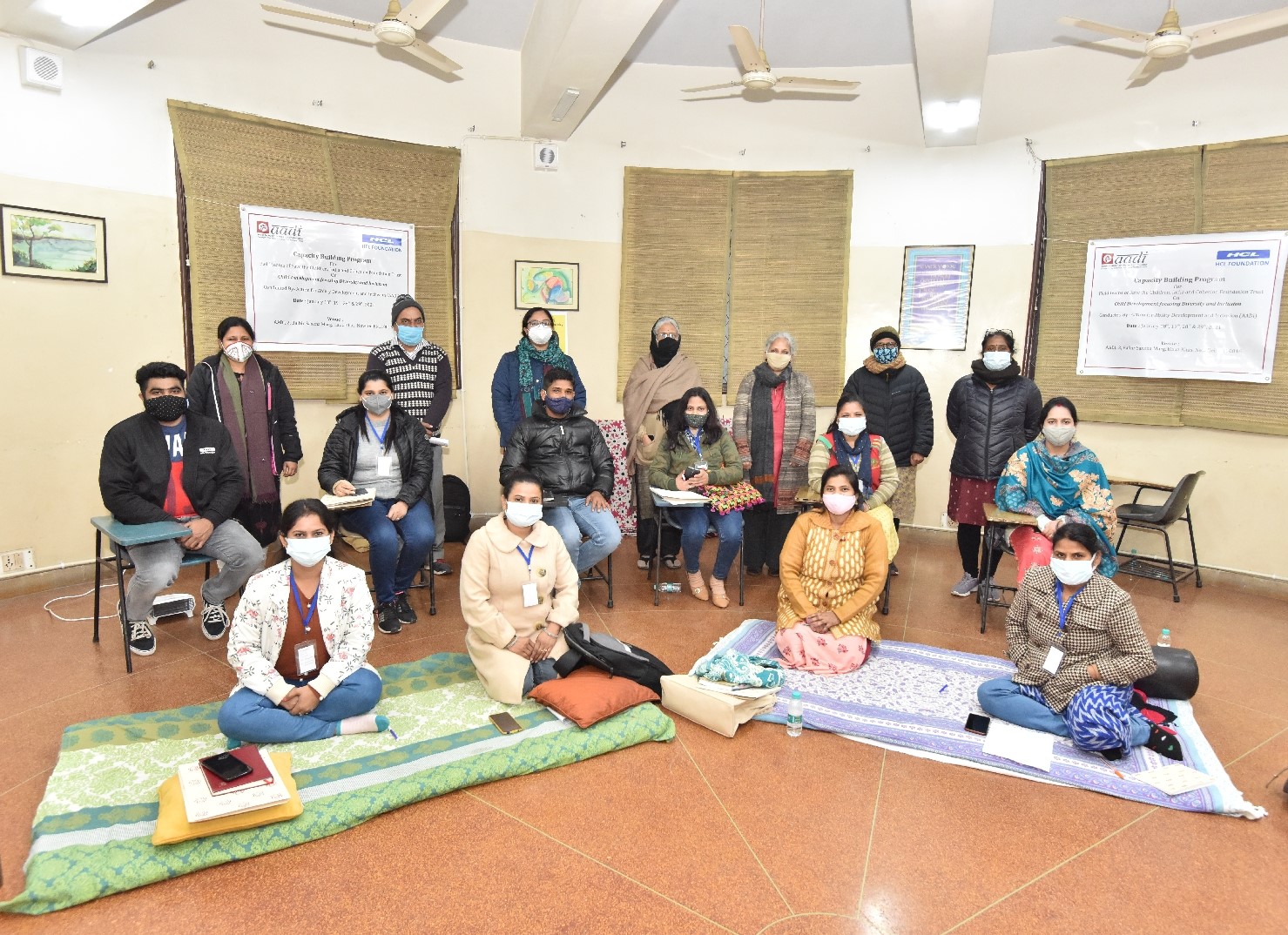
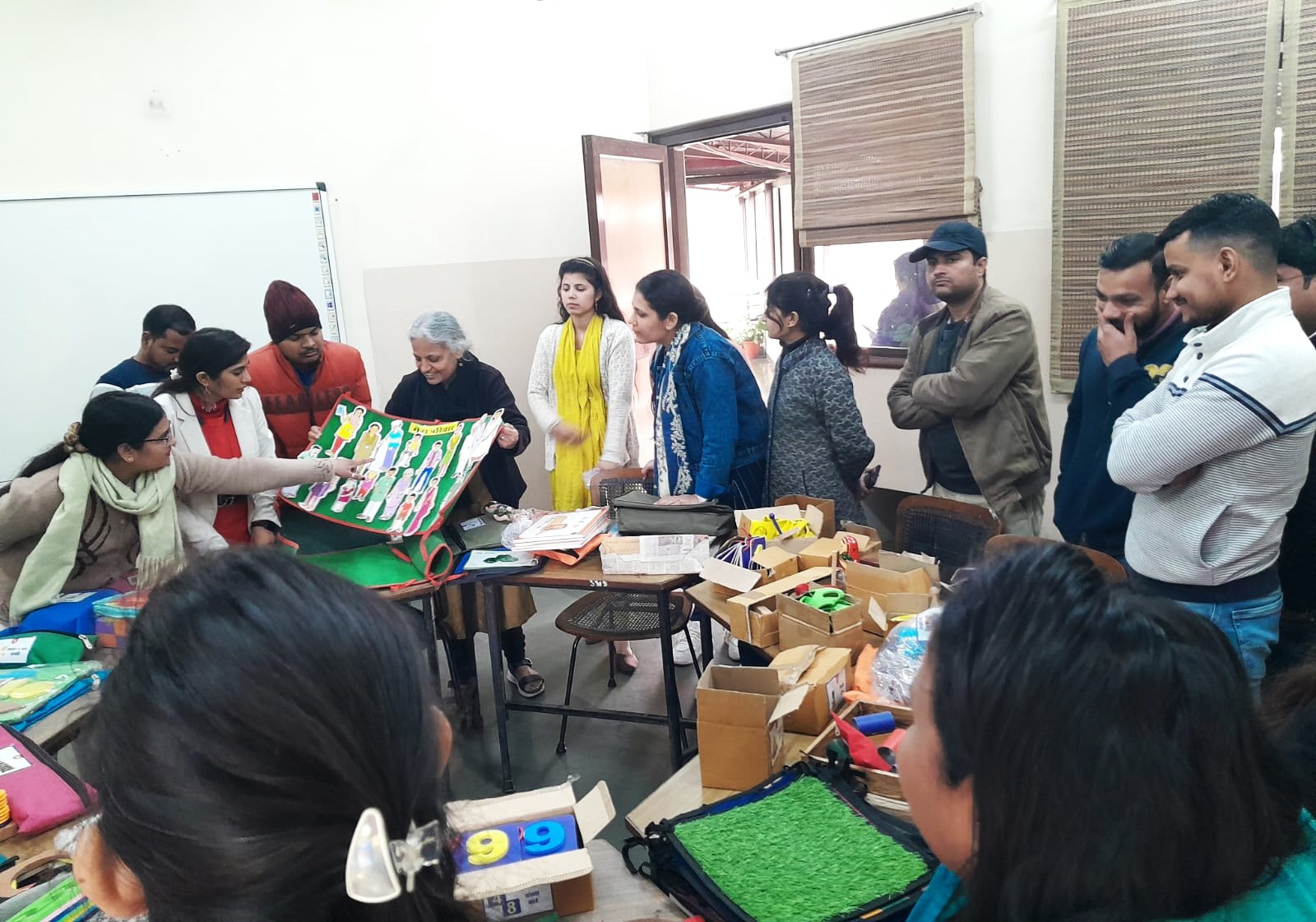
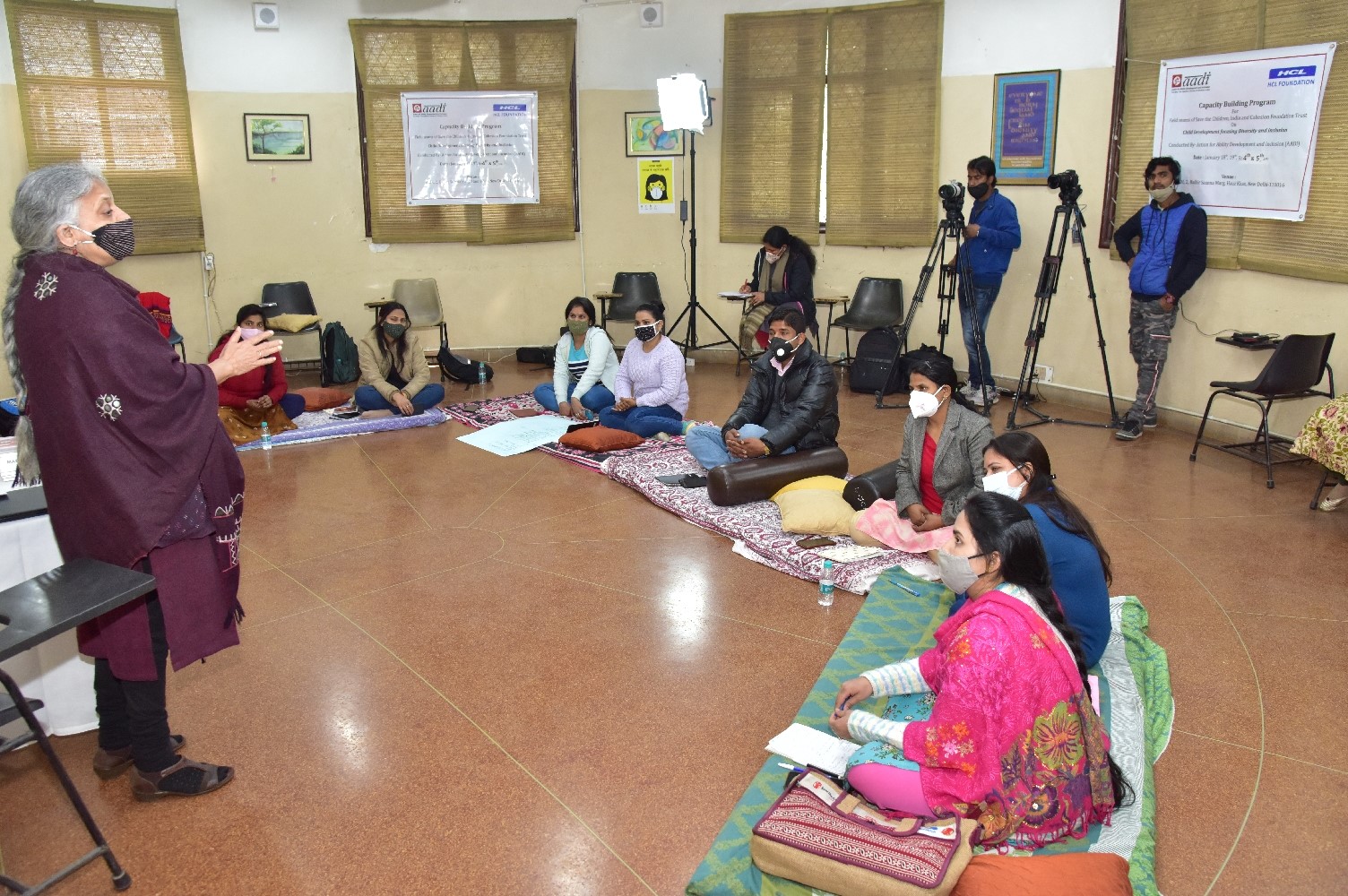
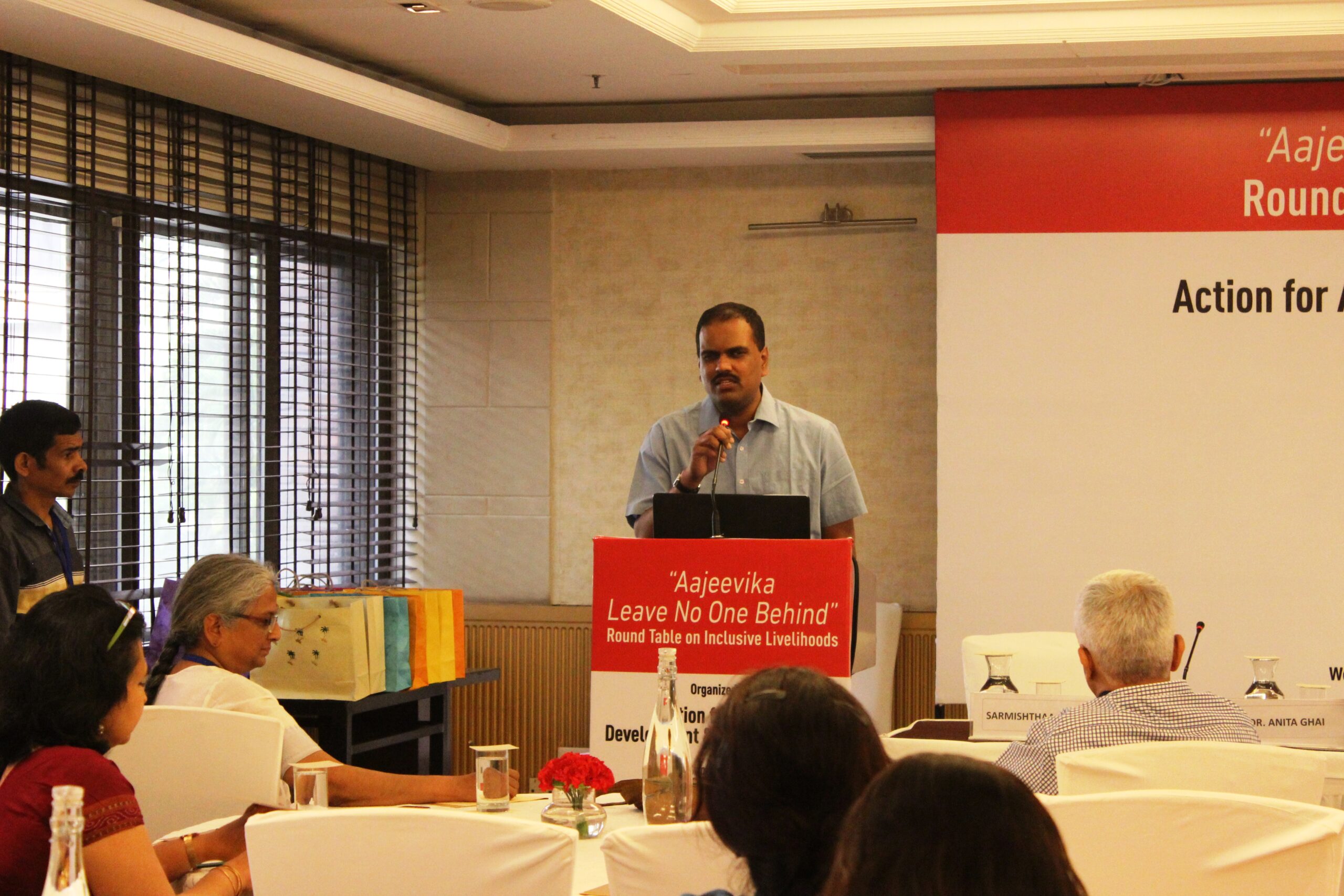
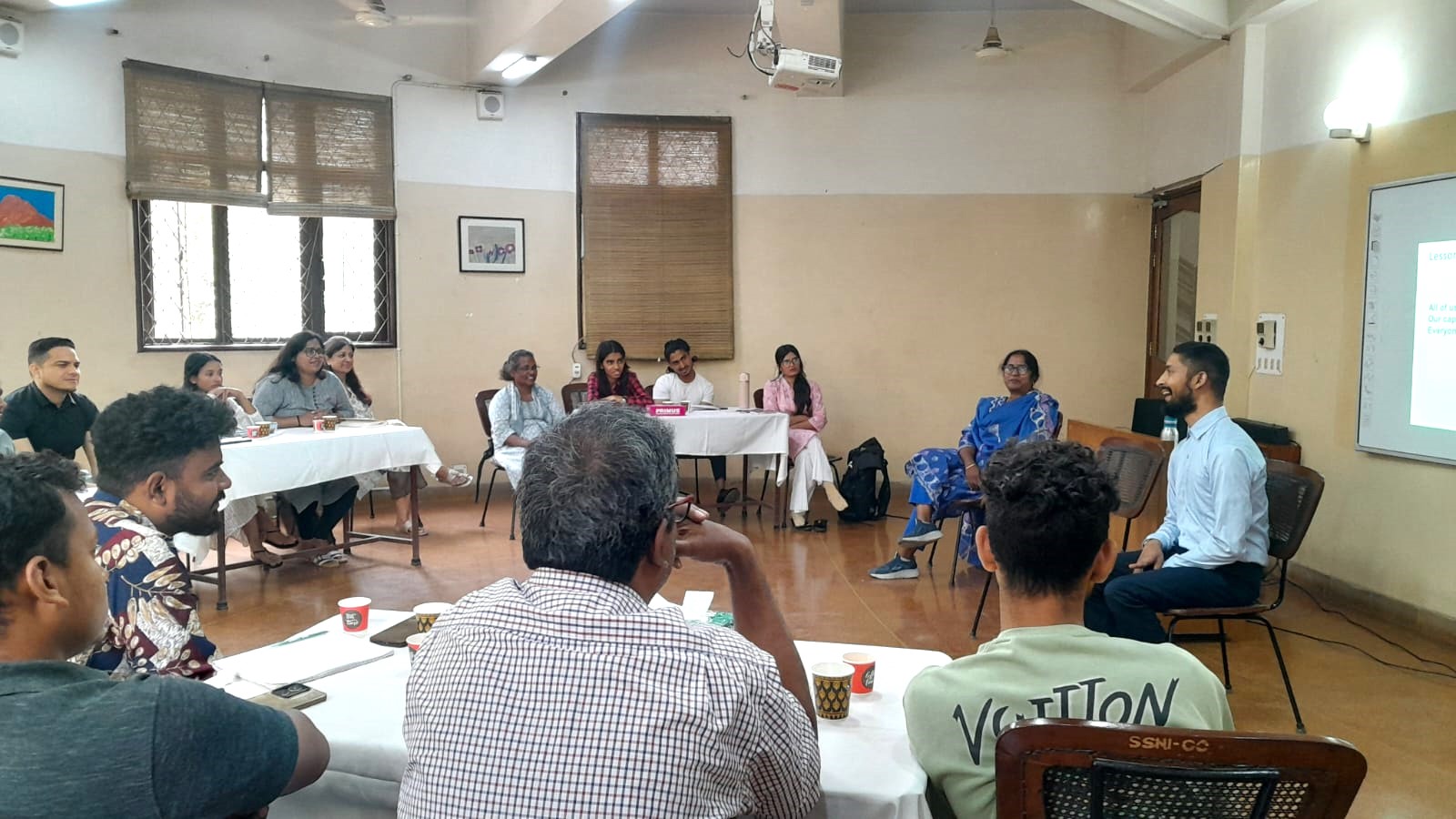
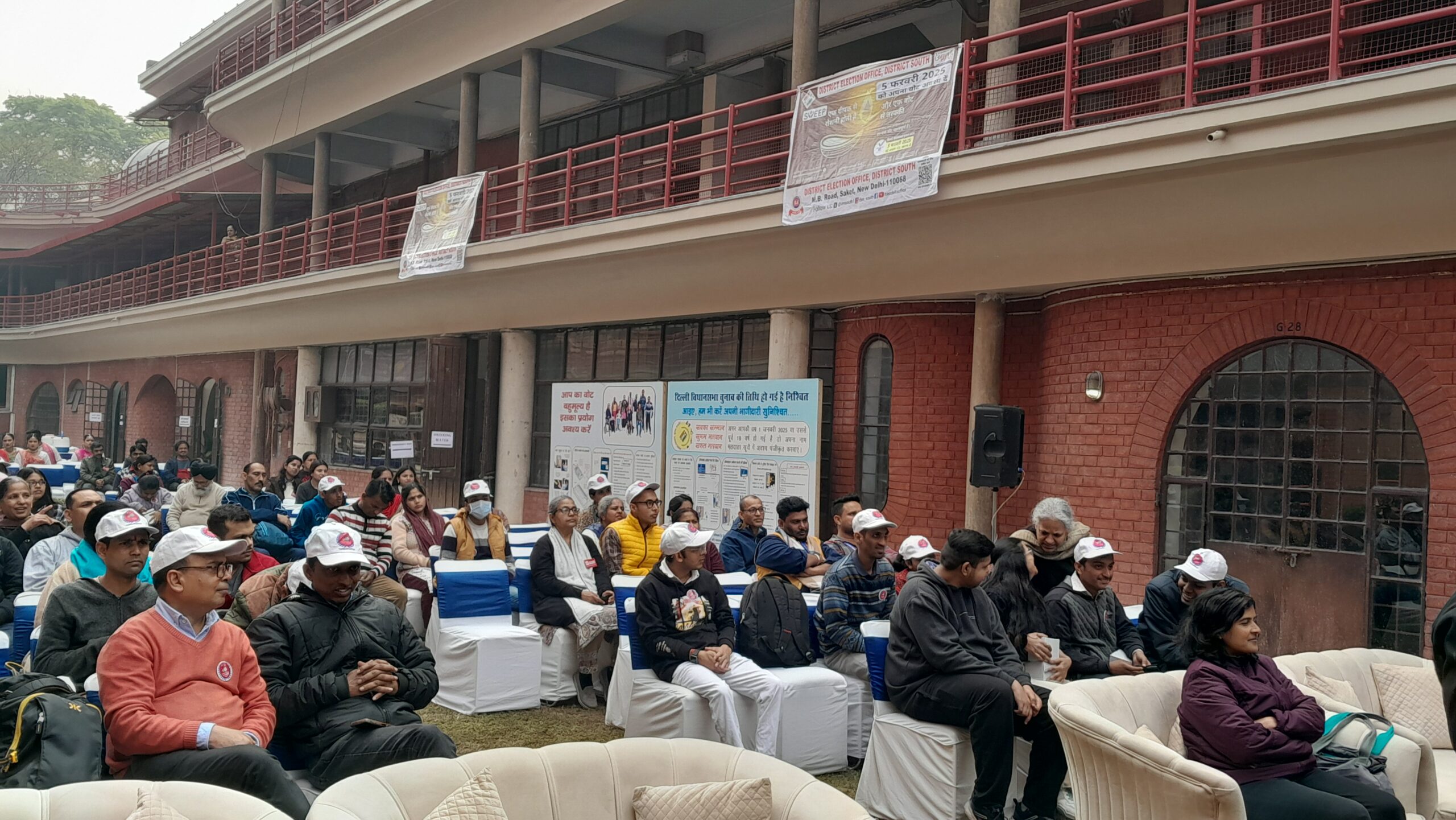
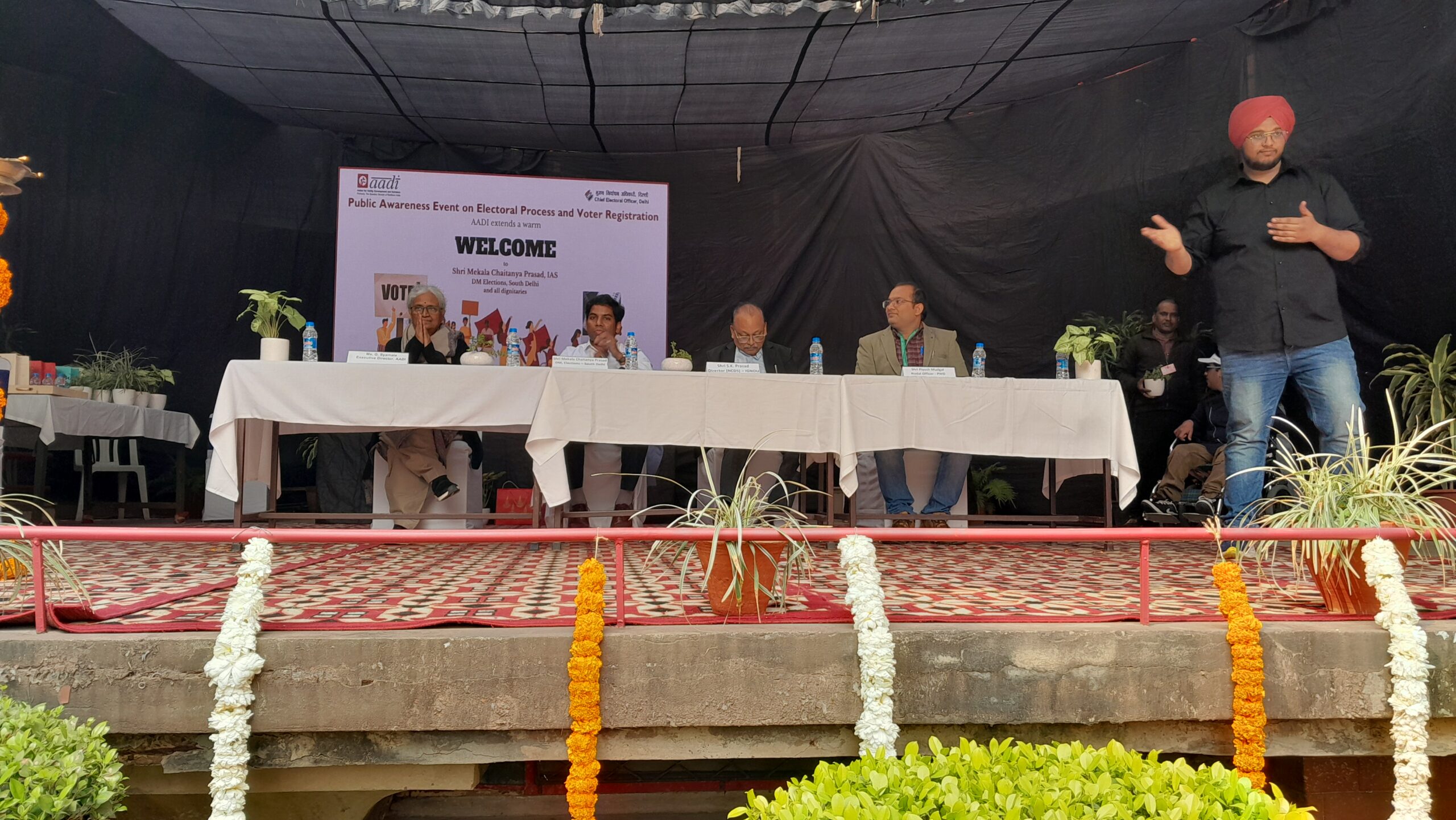
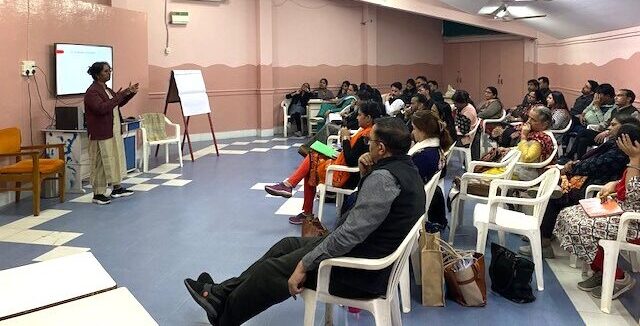
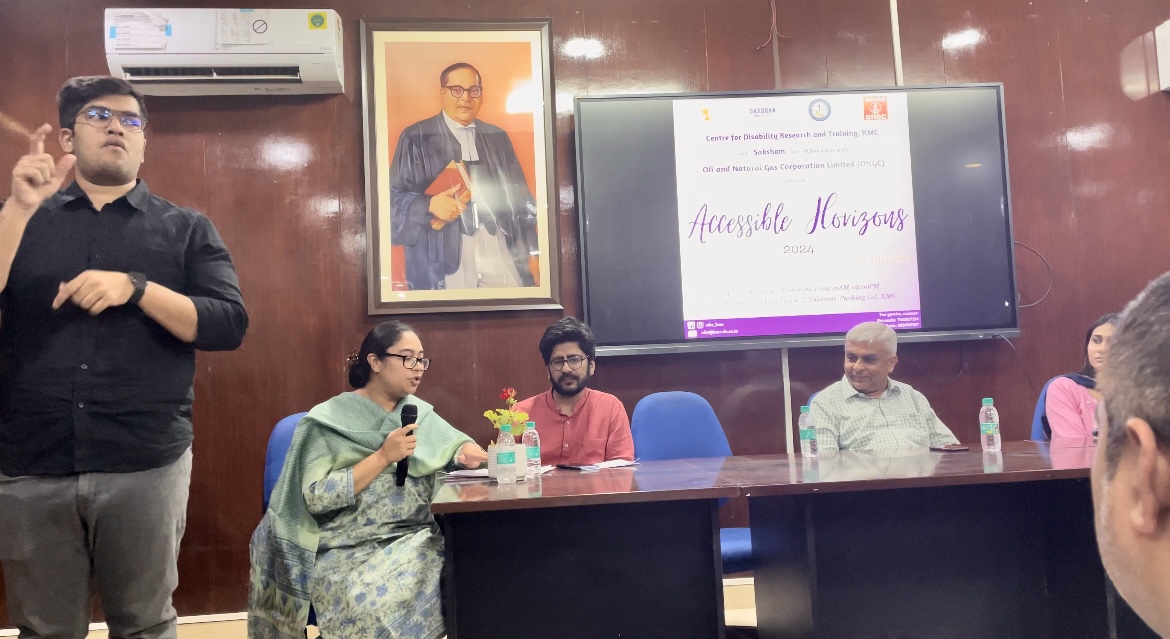
We conduct thematic training sessions to sensitize service providers in both the private and public sectors. These programs enable professionals, including doctors, teachers, employers, panchayat leaders, electoral officers, porters, bus drivers, volunteers, government officials, and policymakers, to adopt inclusive practices in their work environments.
- Examples include collaborative training with Ambedkar University and DOE (Department of Education), Delhi, focusing on inclusive education with a cross-disability approach.
Students Across Disciplines
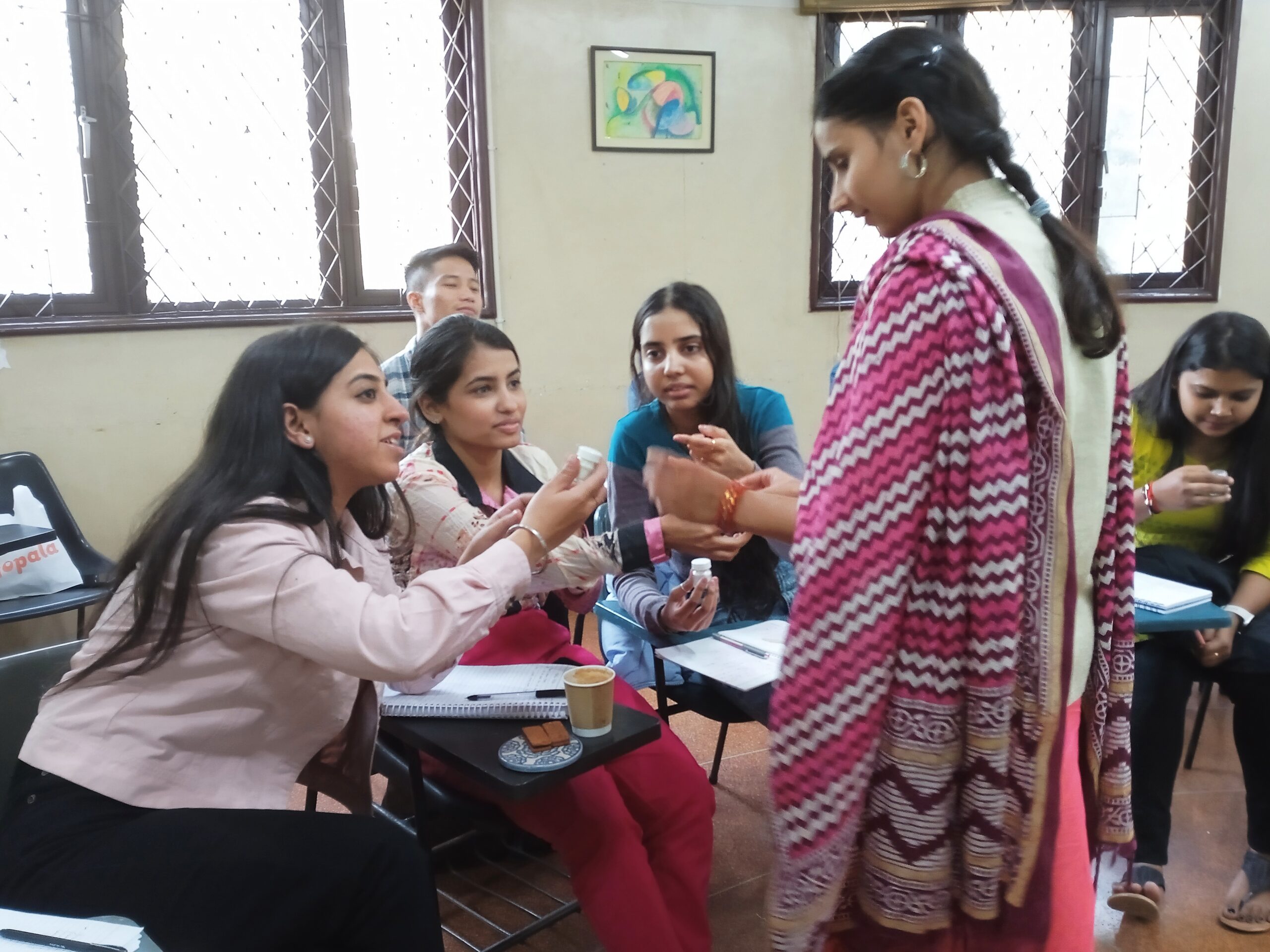
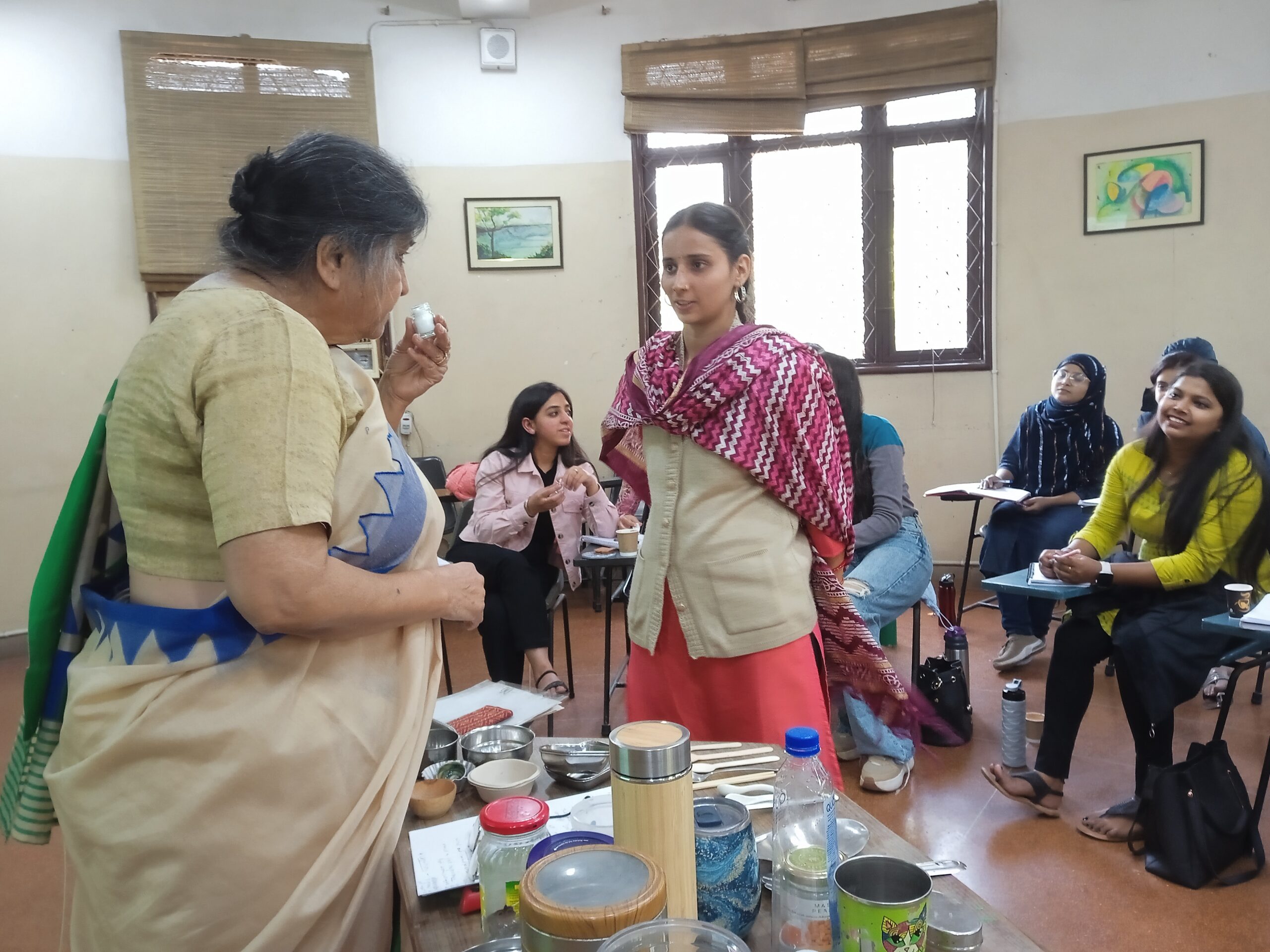
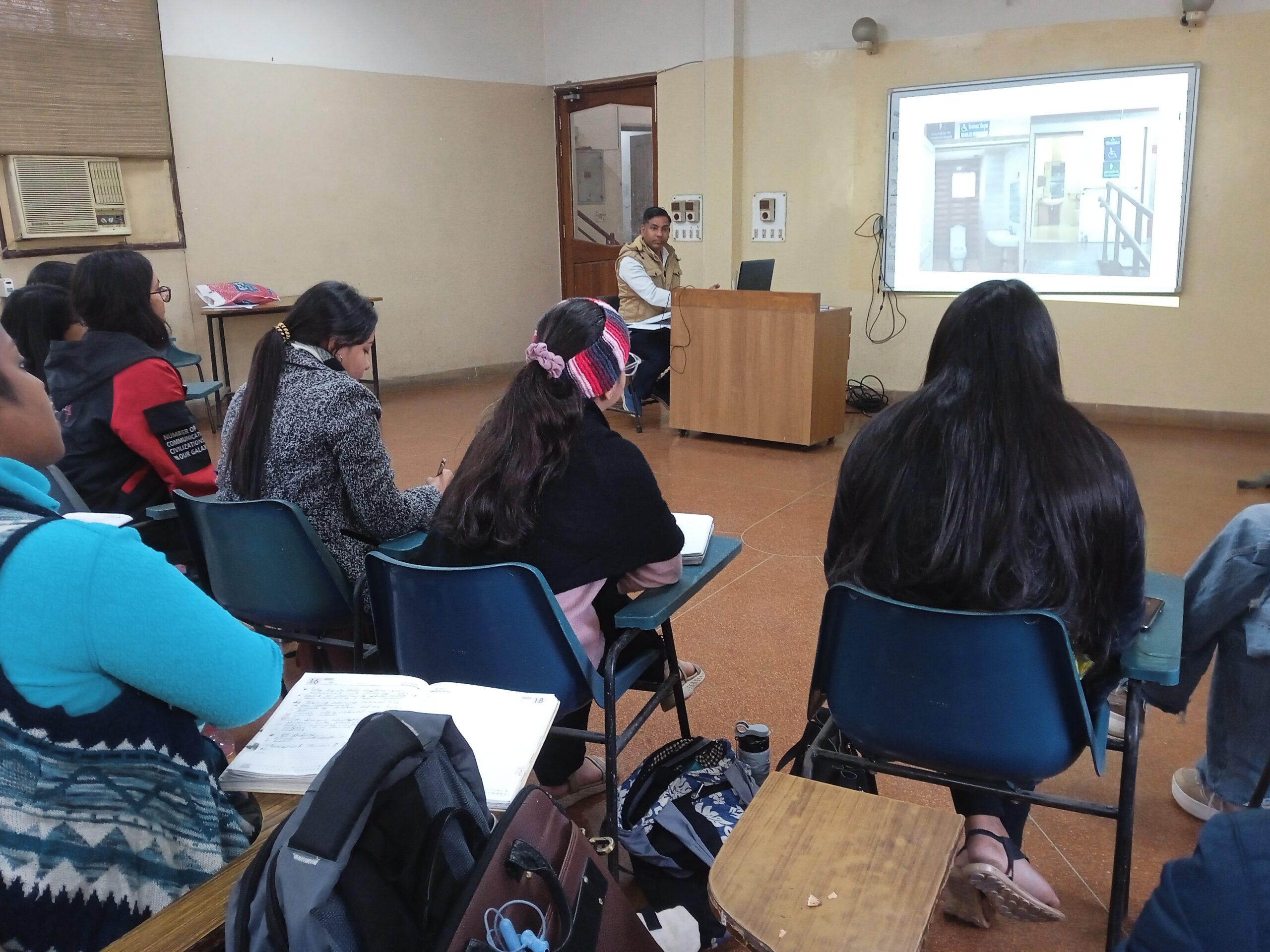
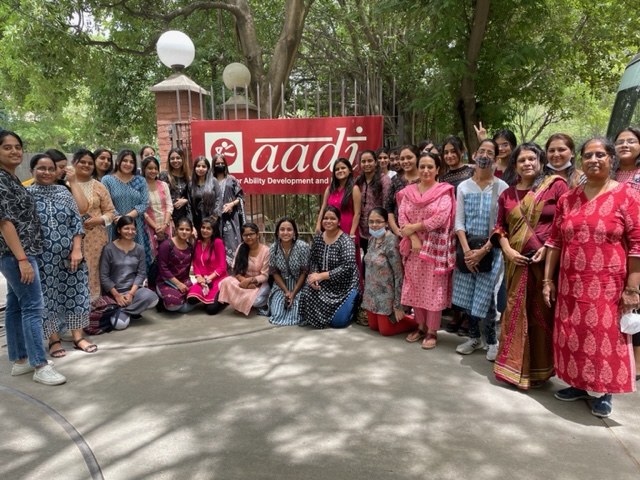
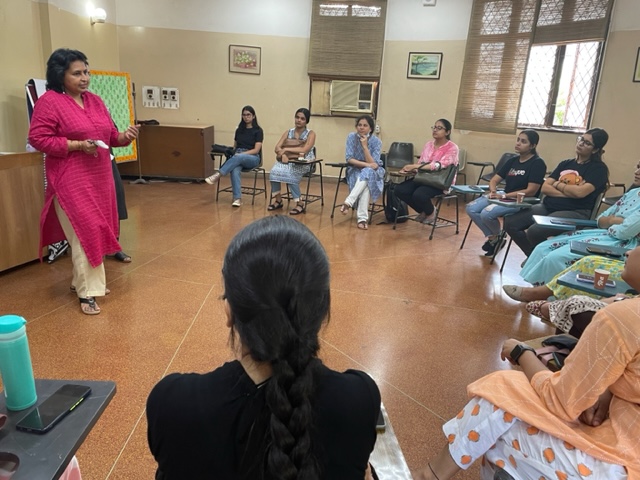
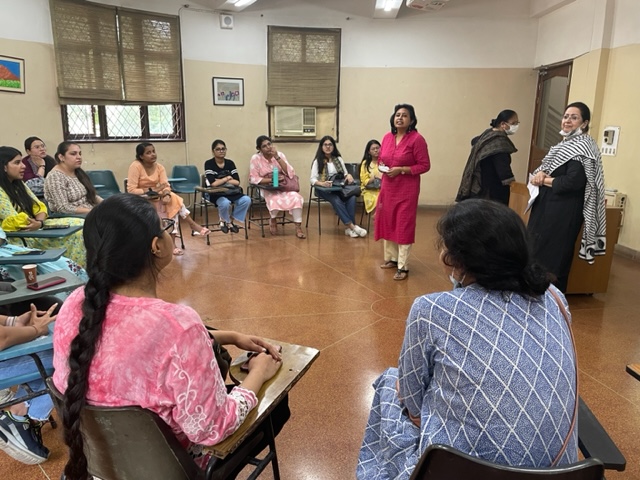
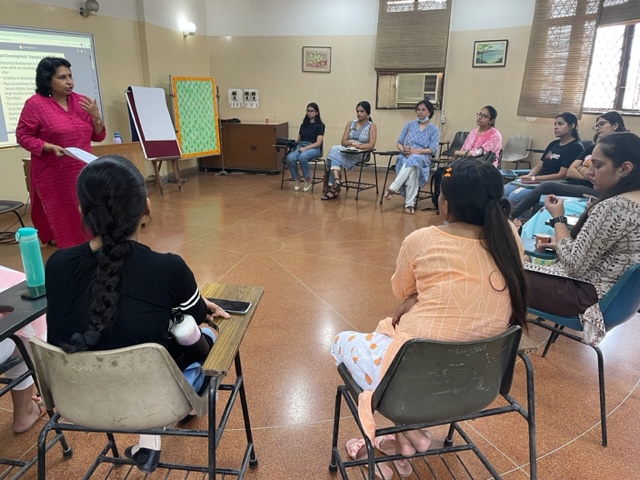
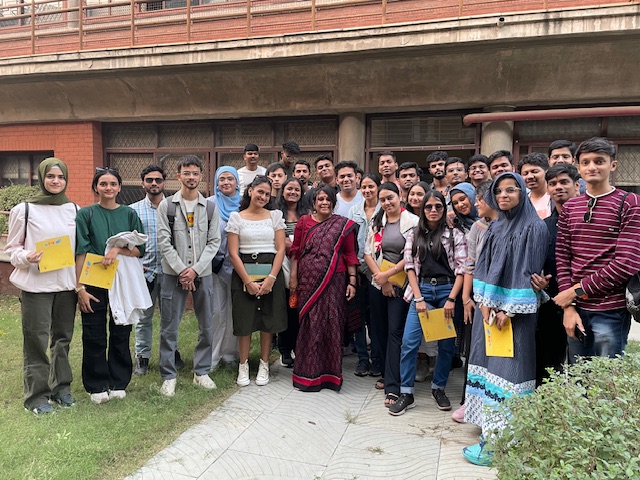
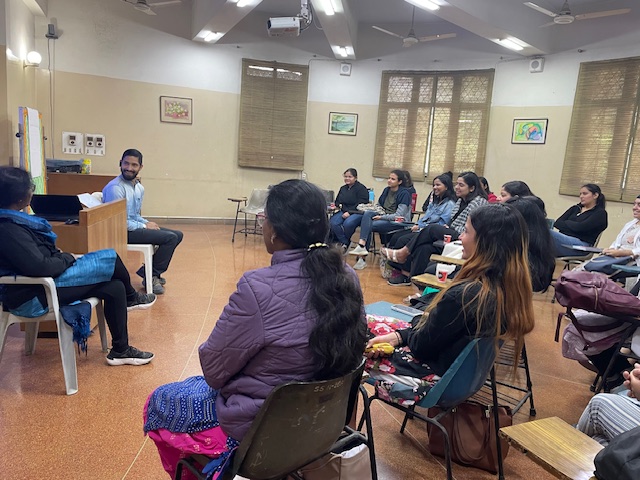
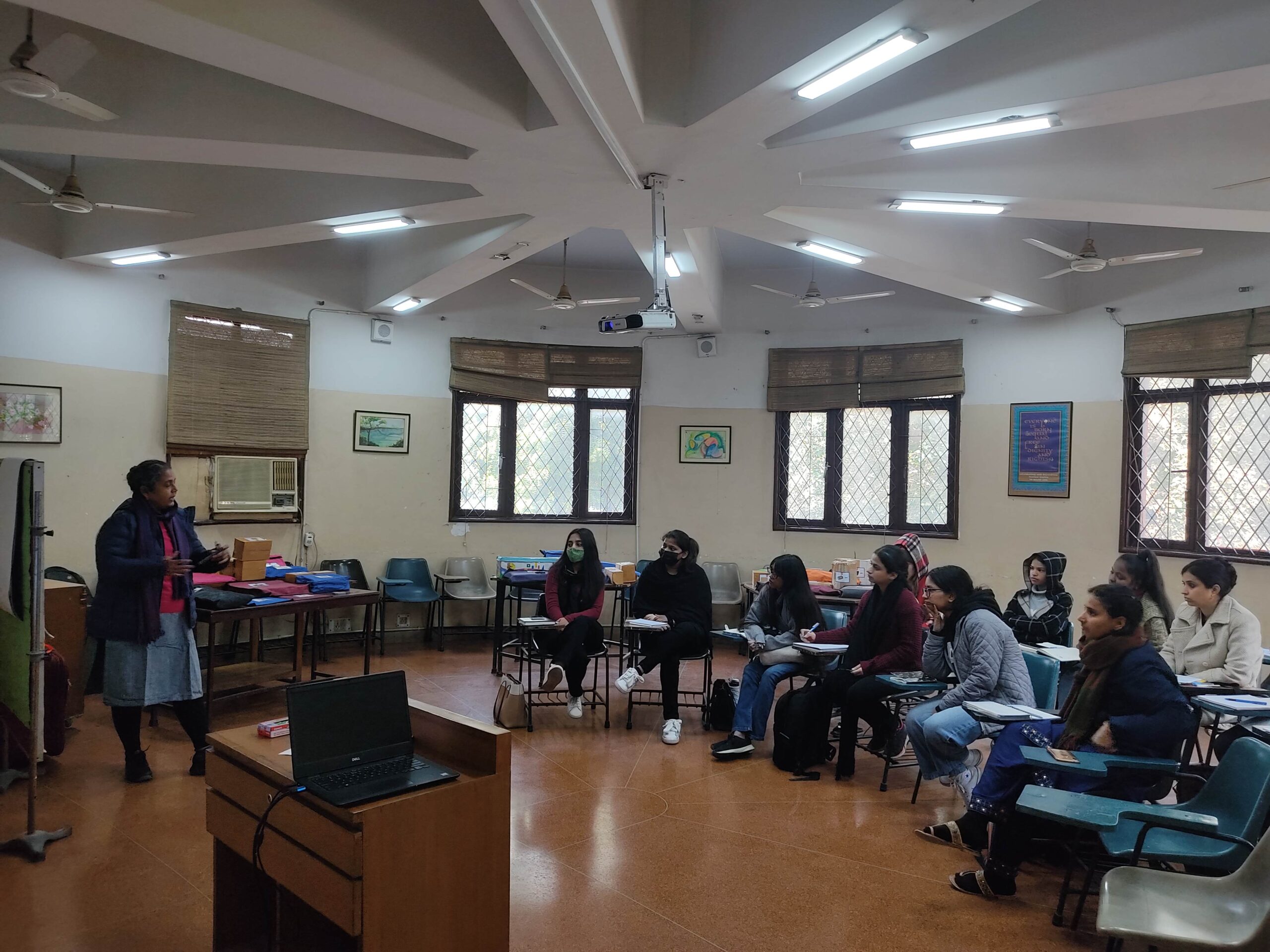
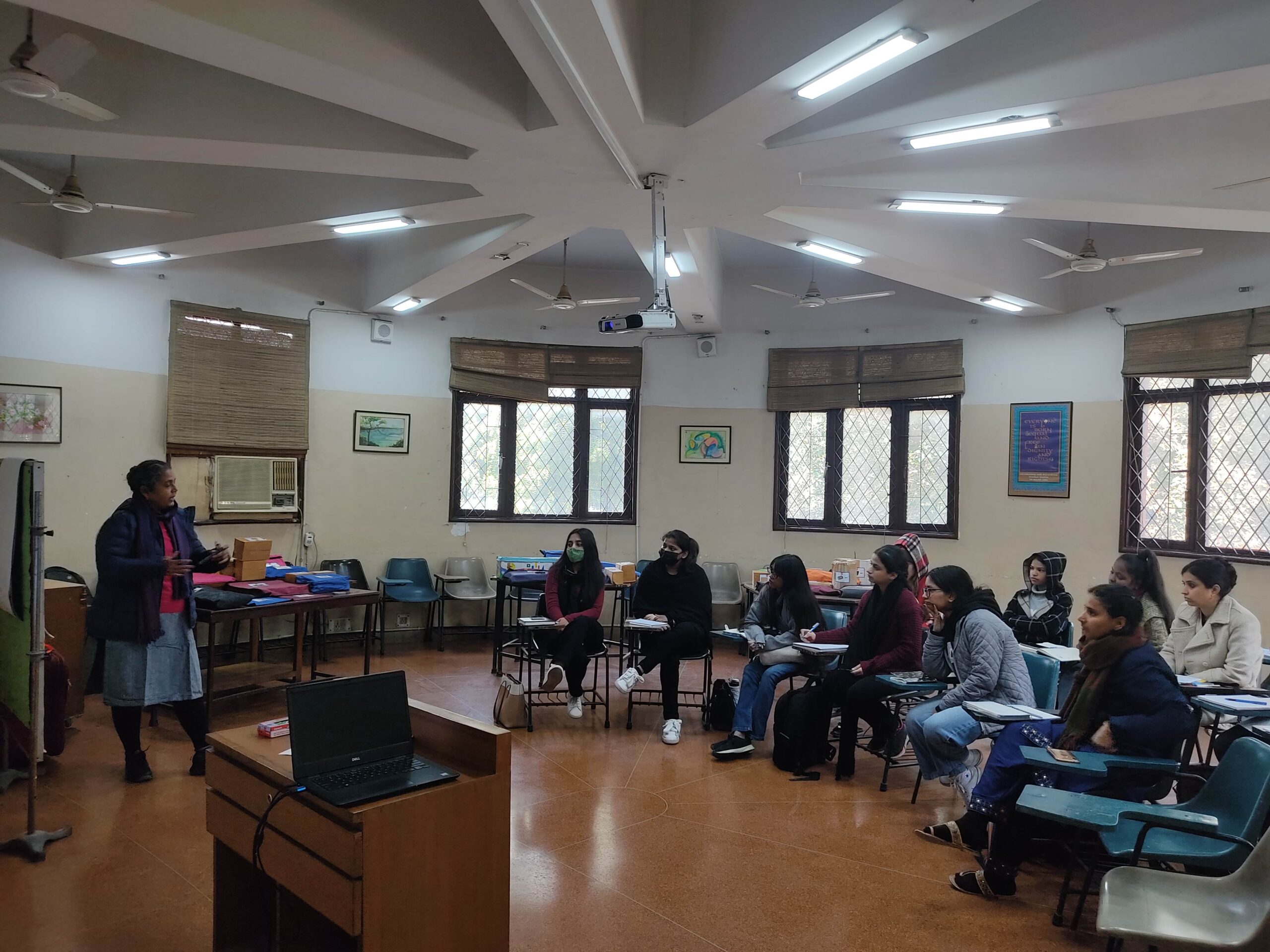
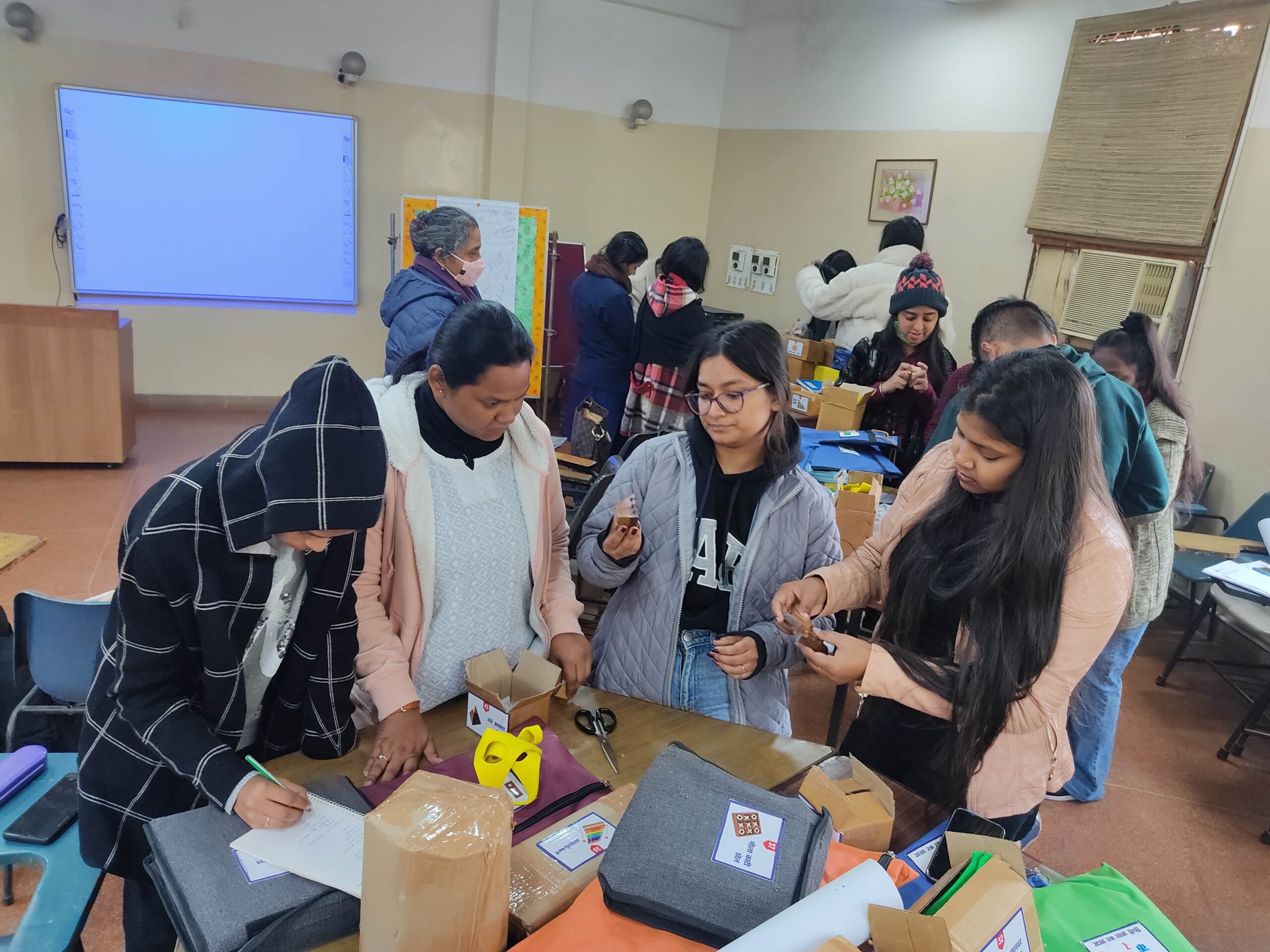
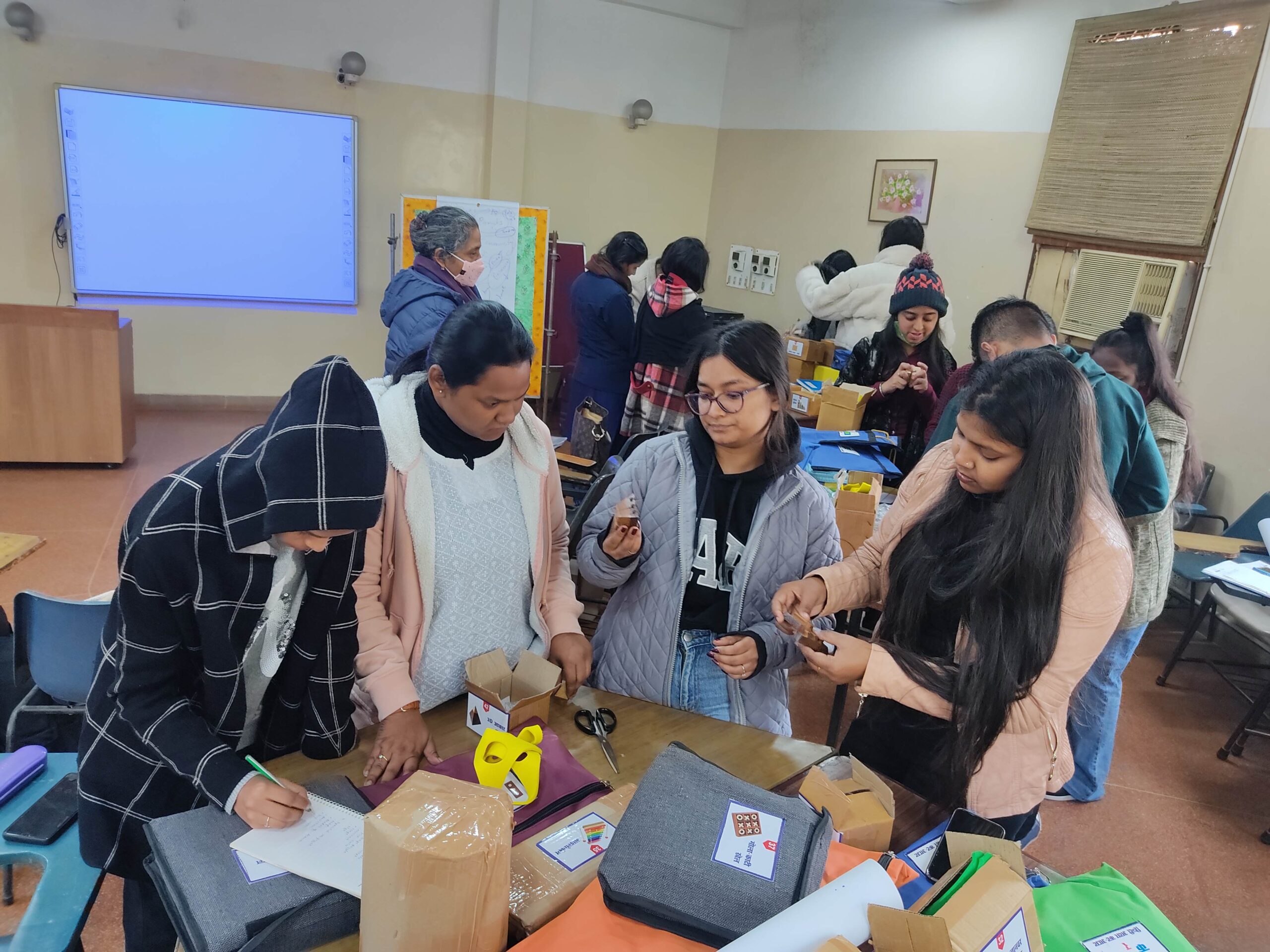
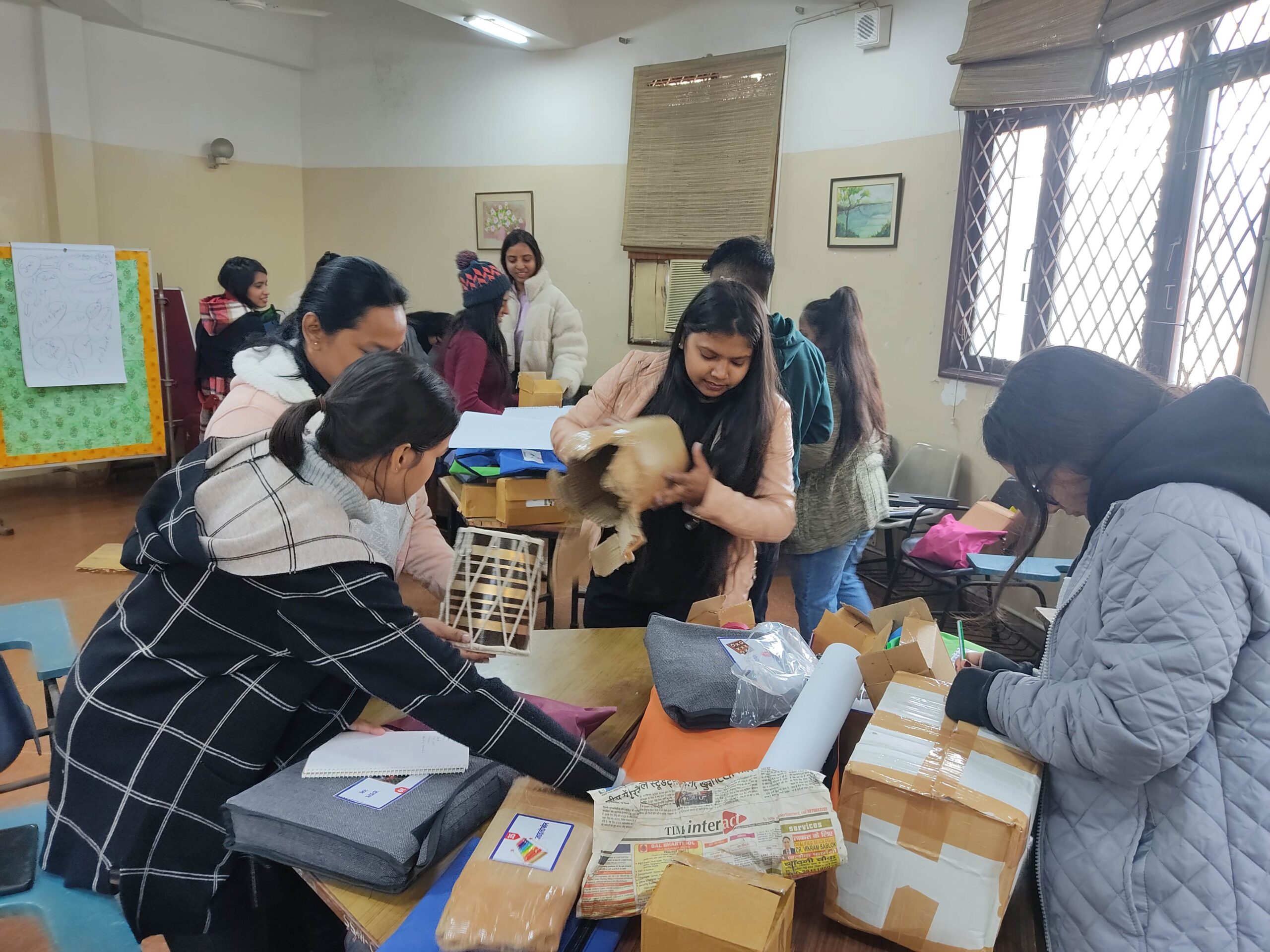
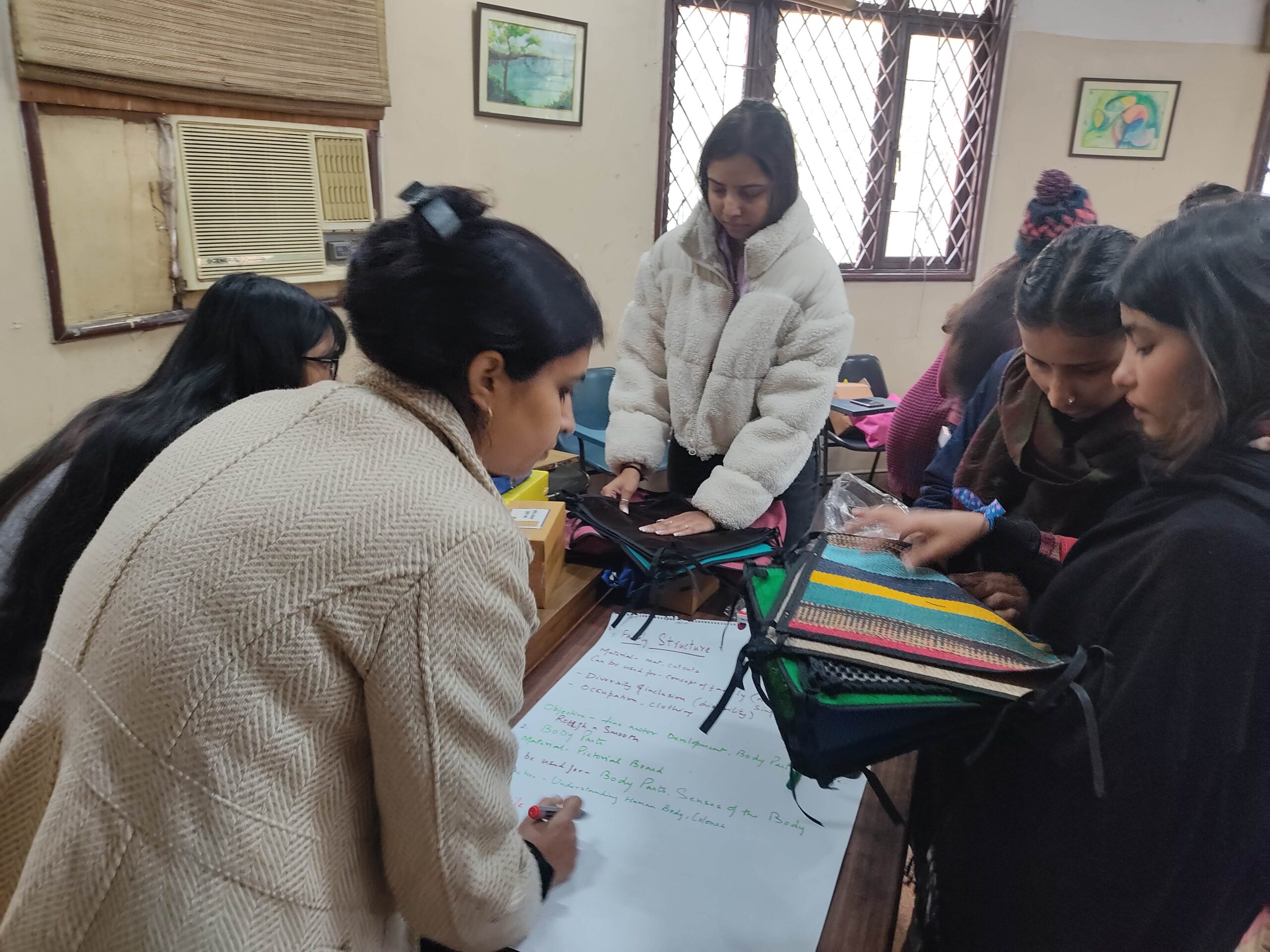
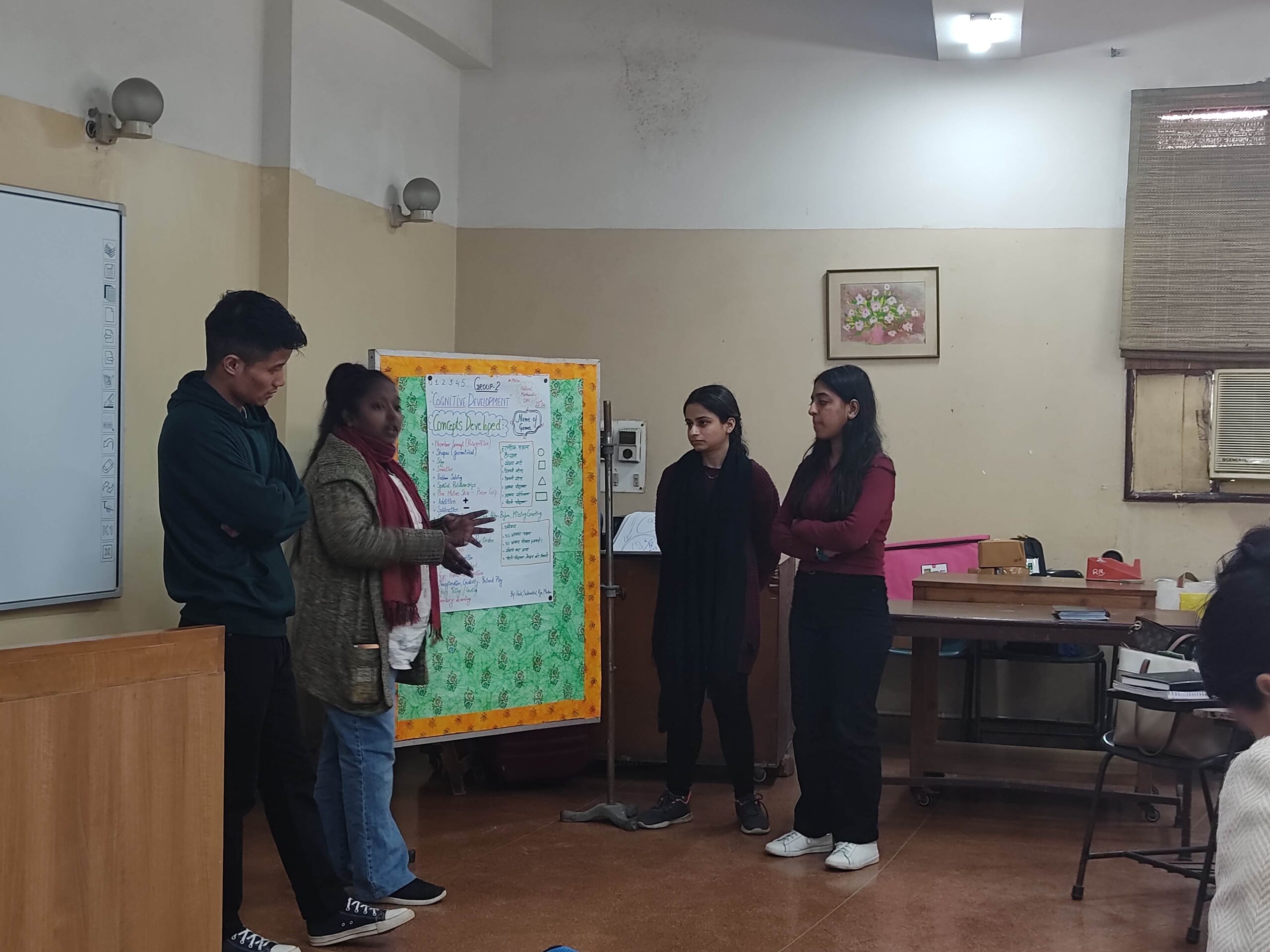
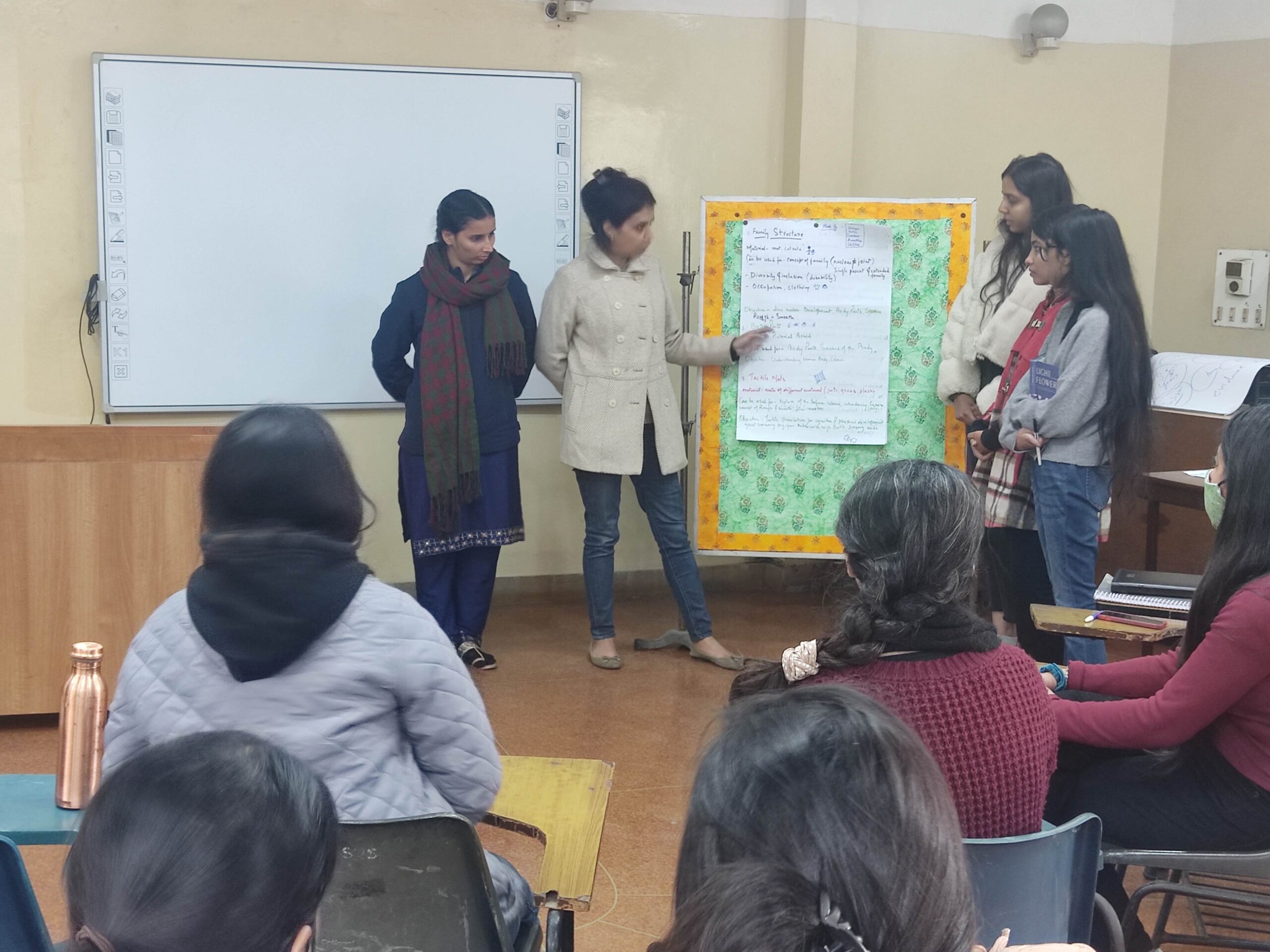
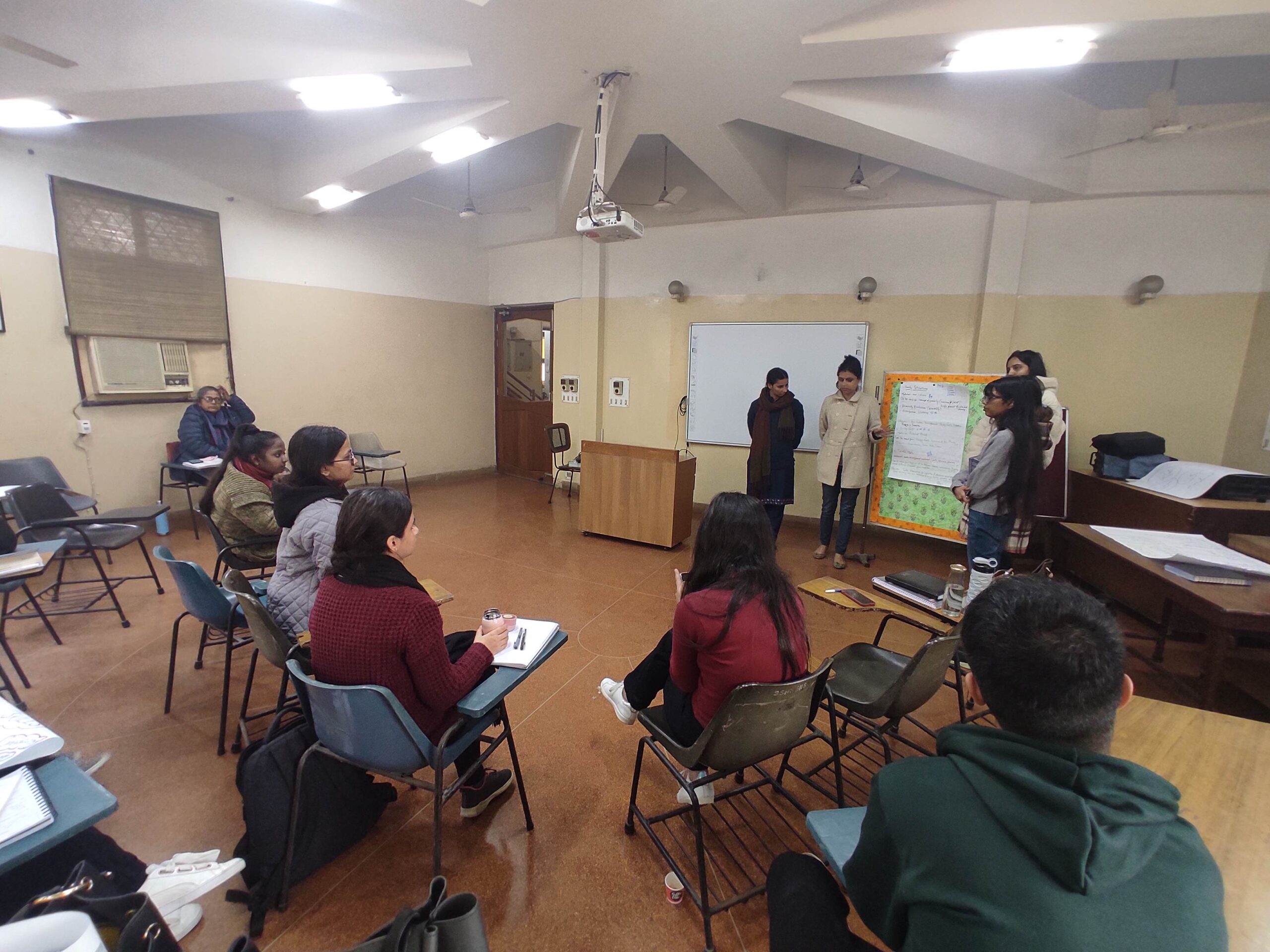
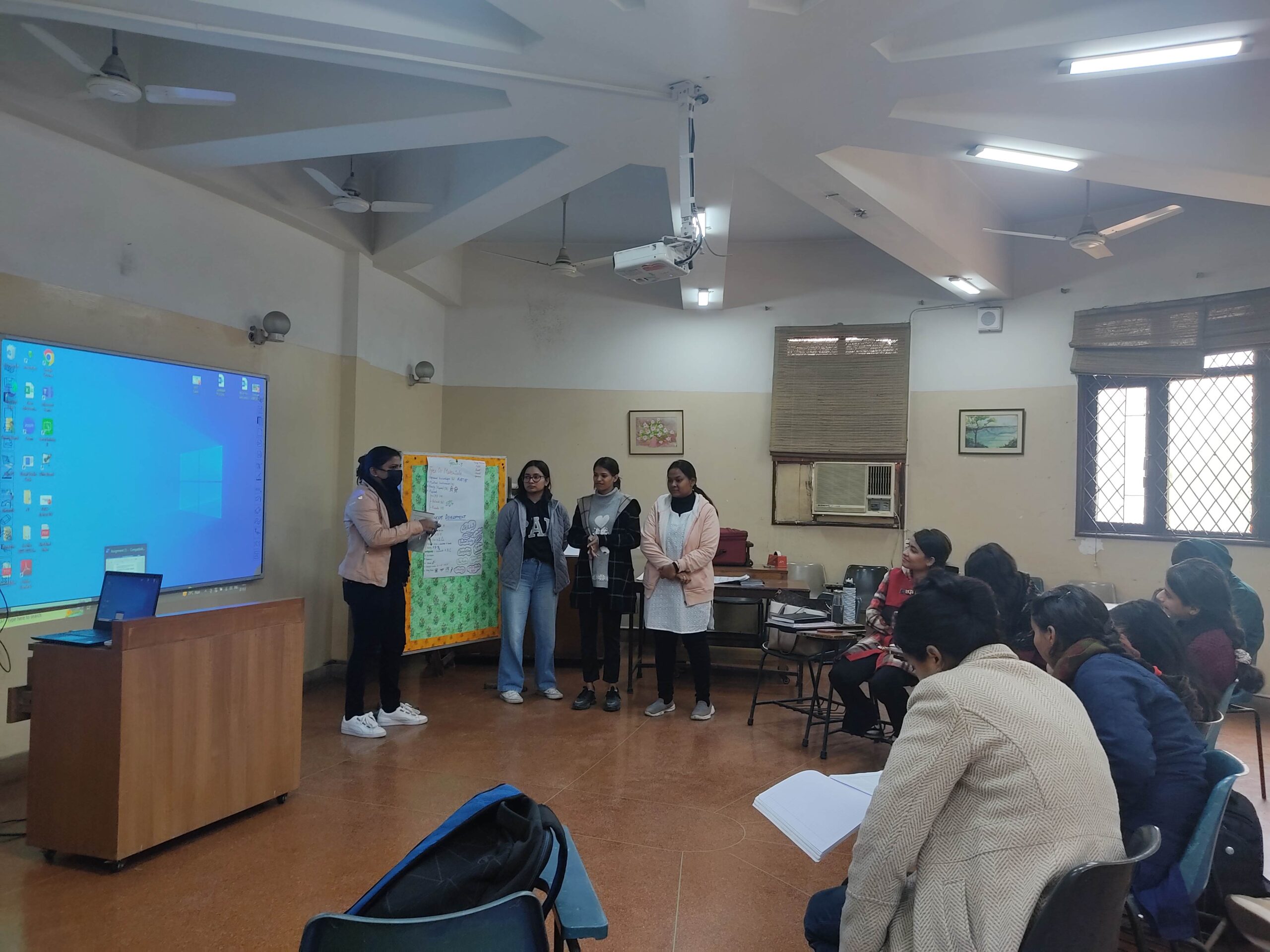
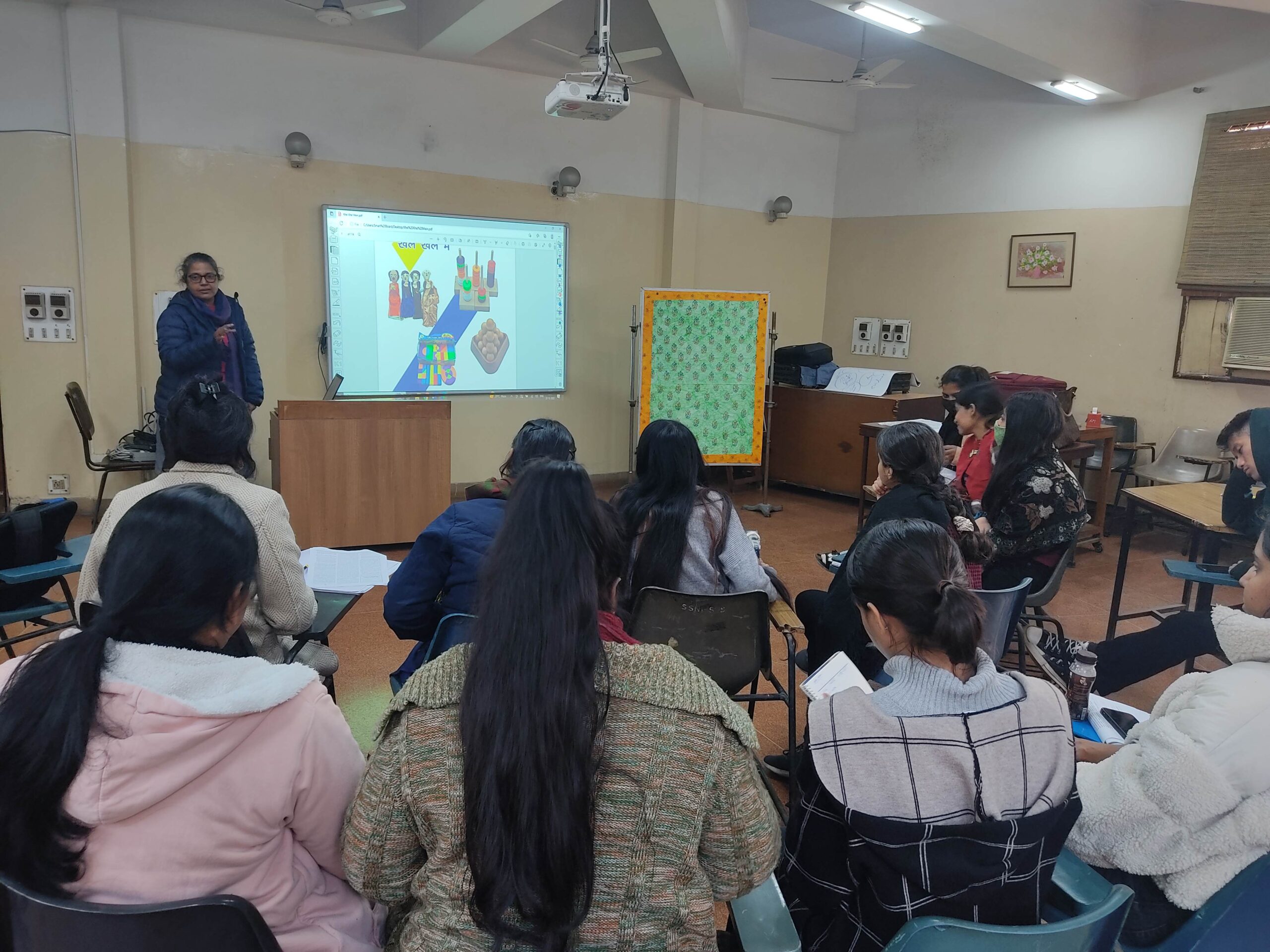
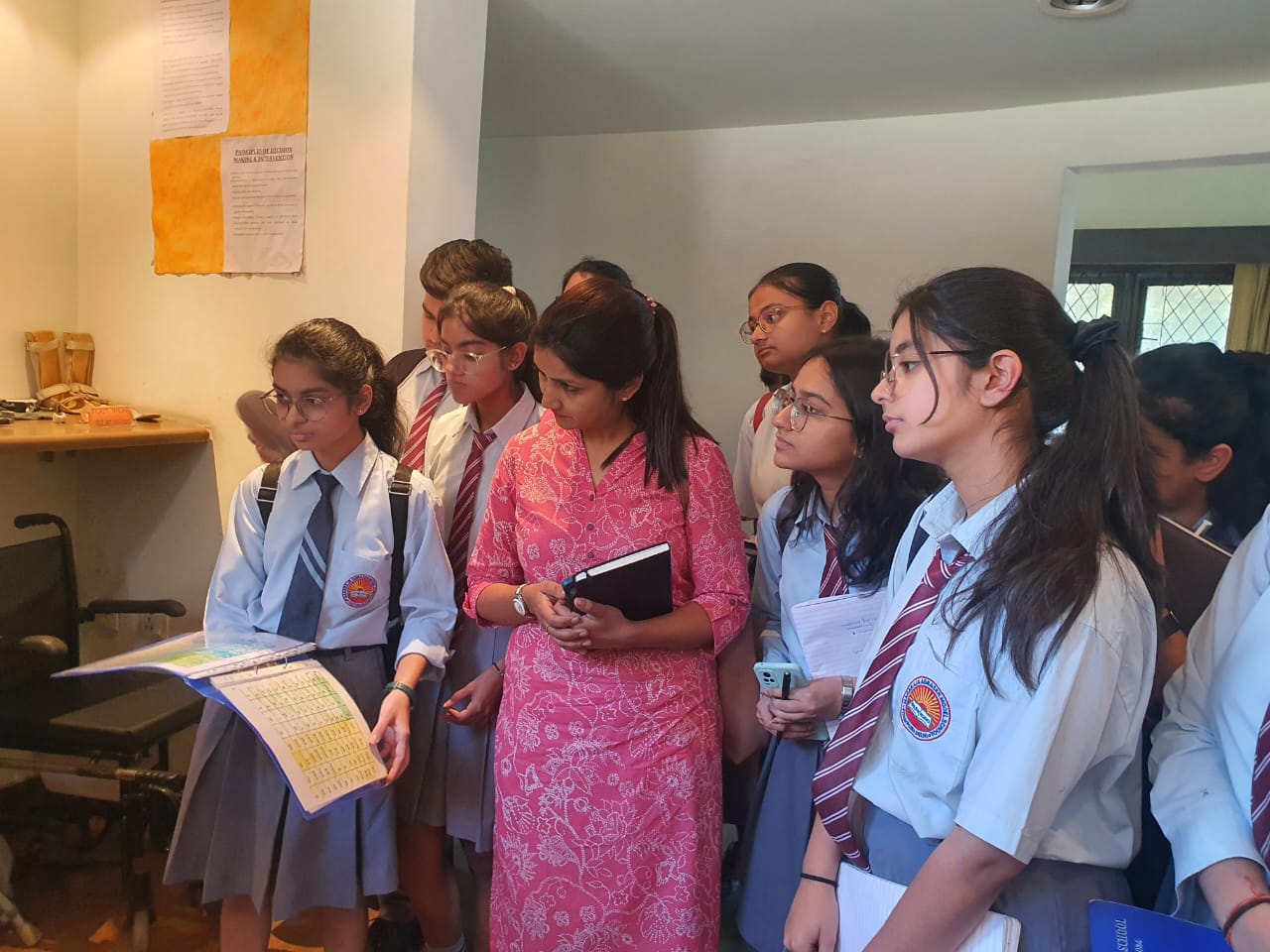
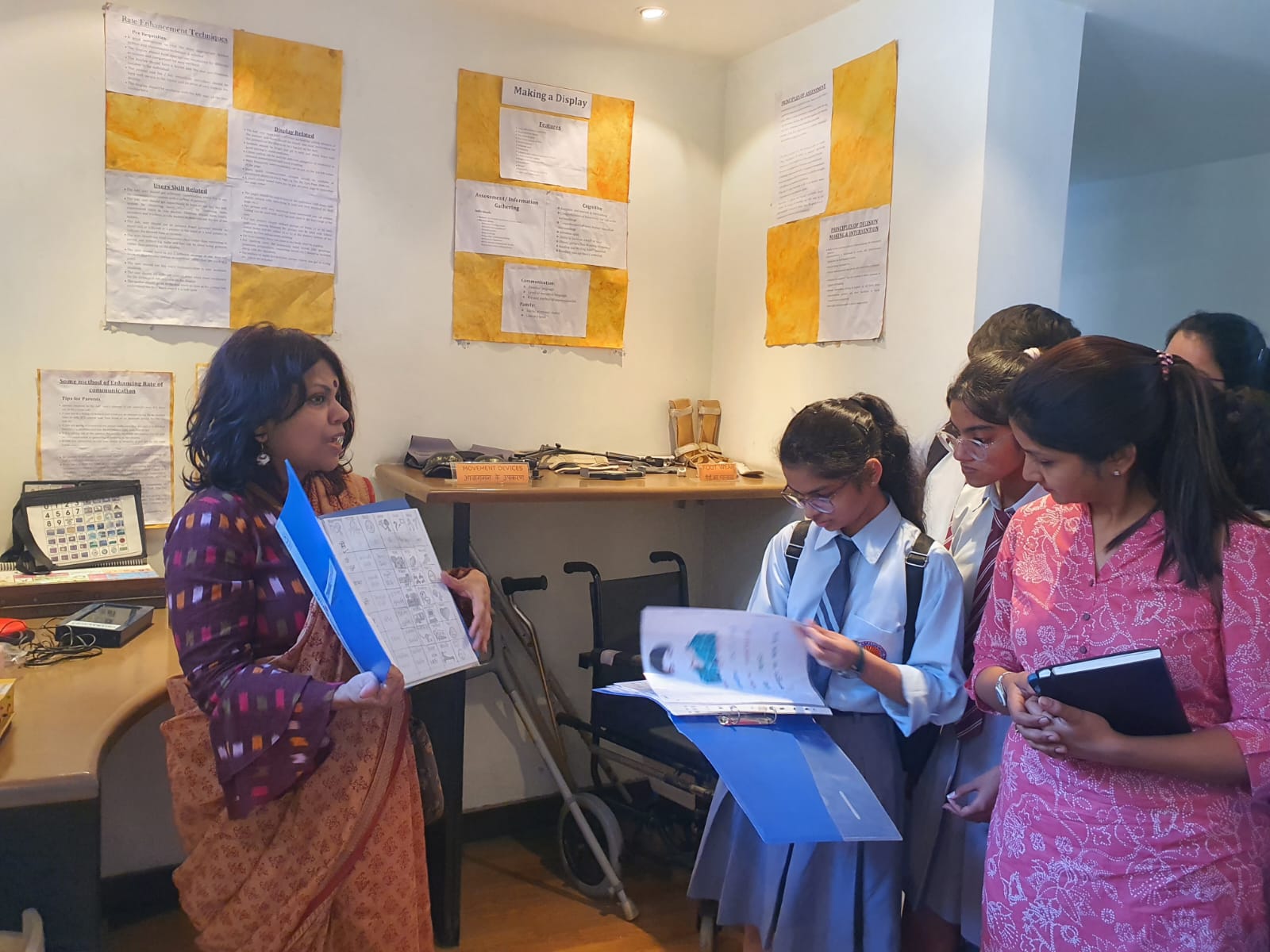
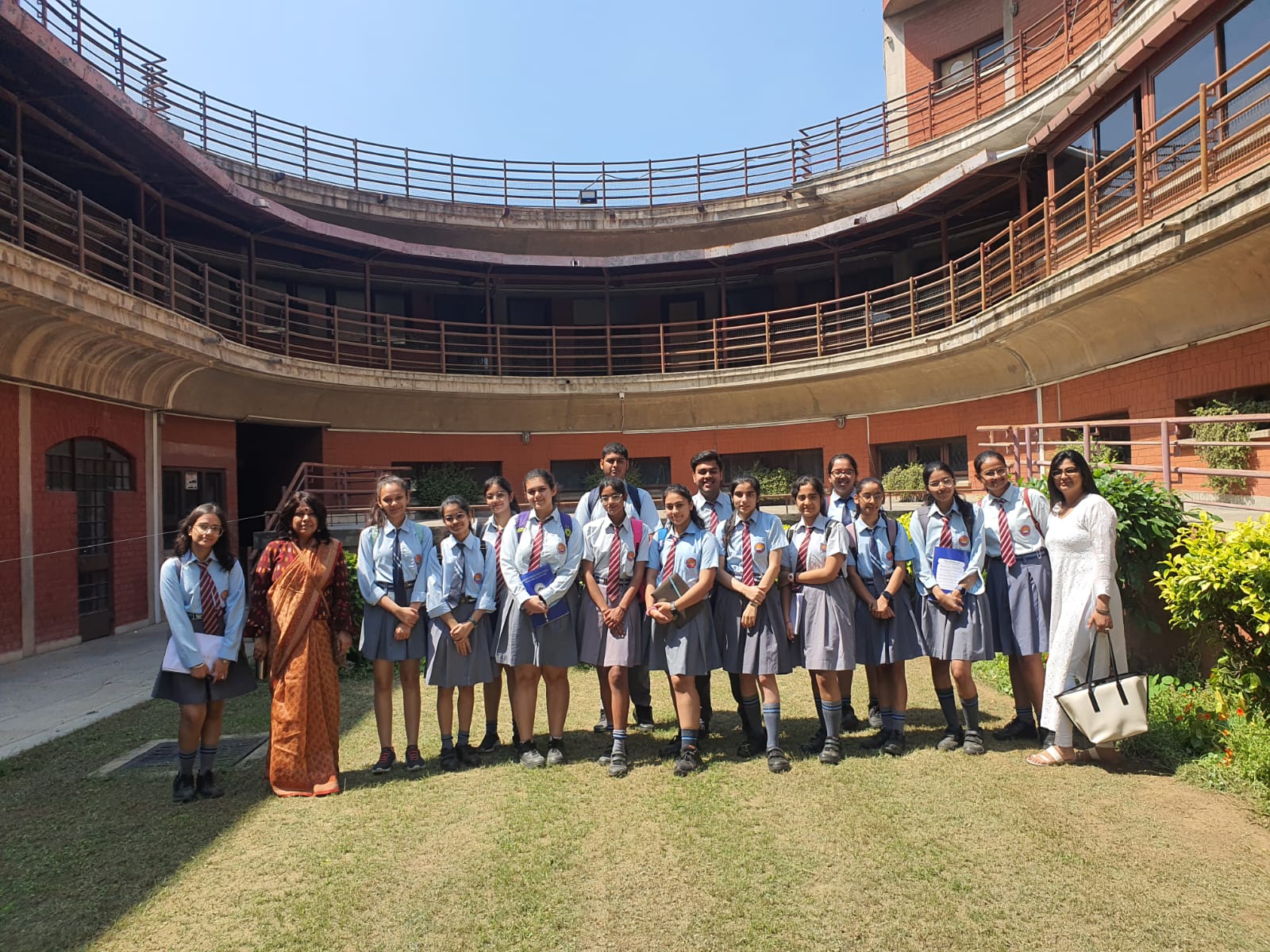
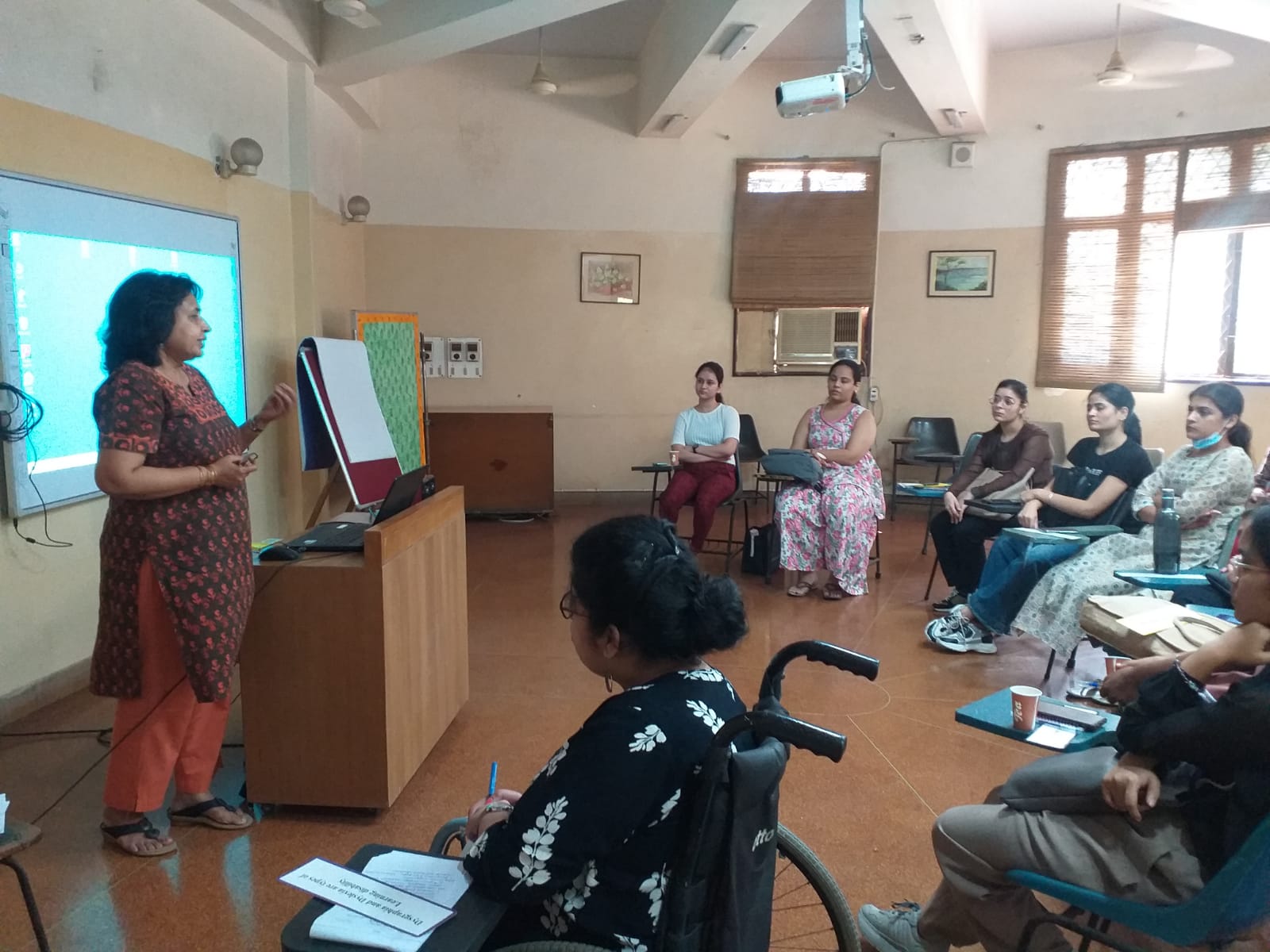
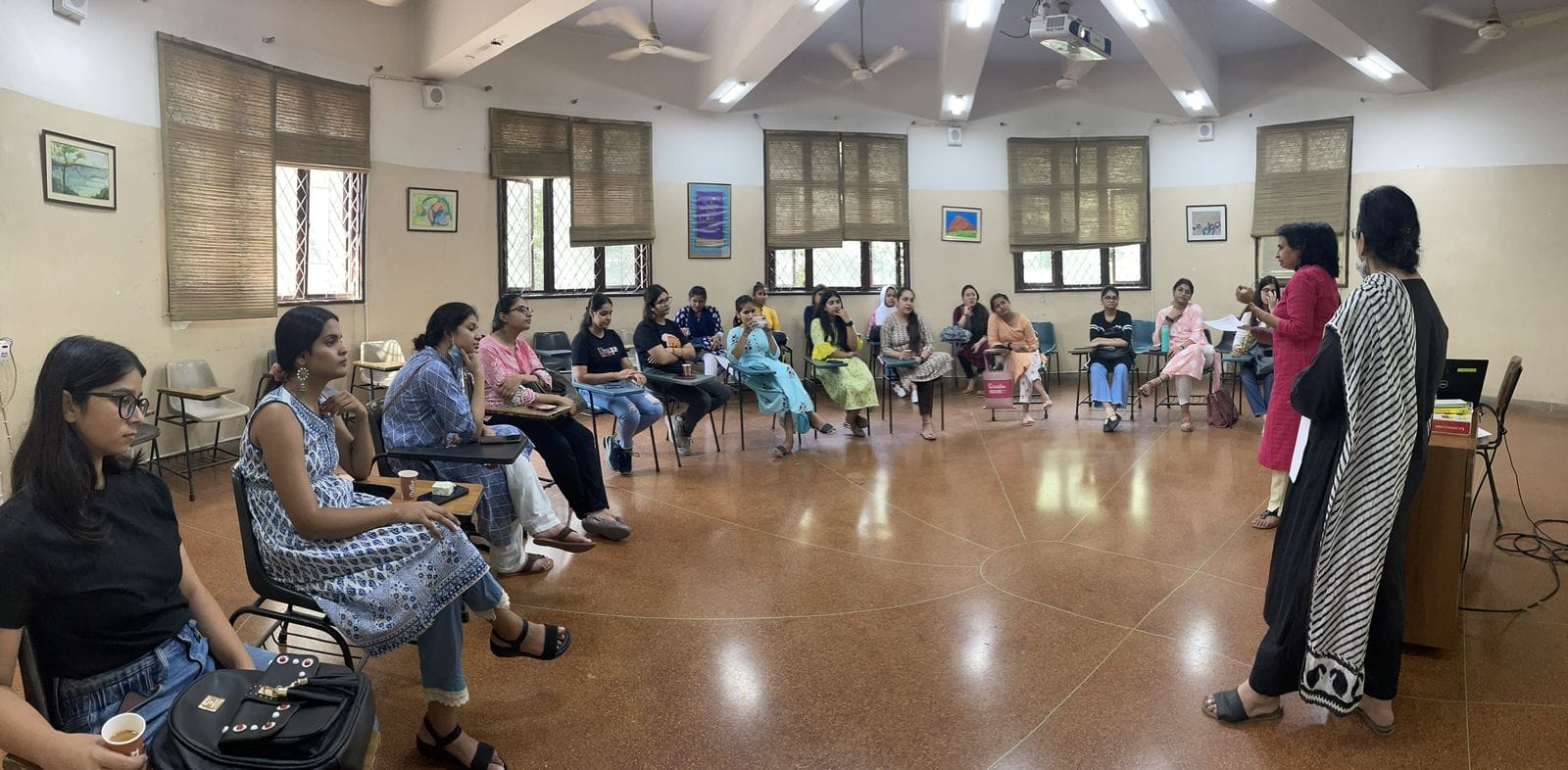
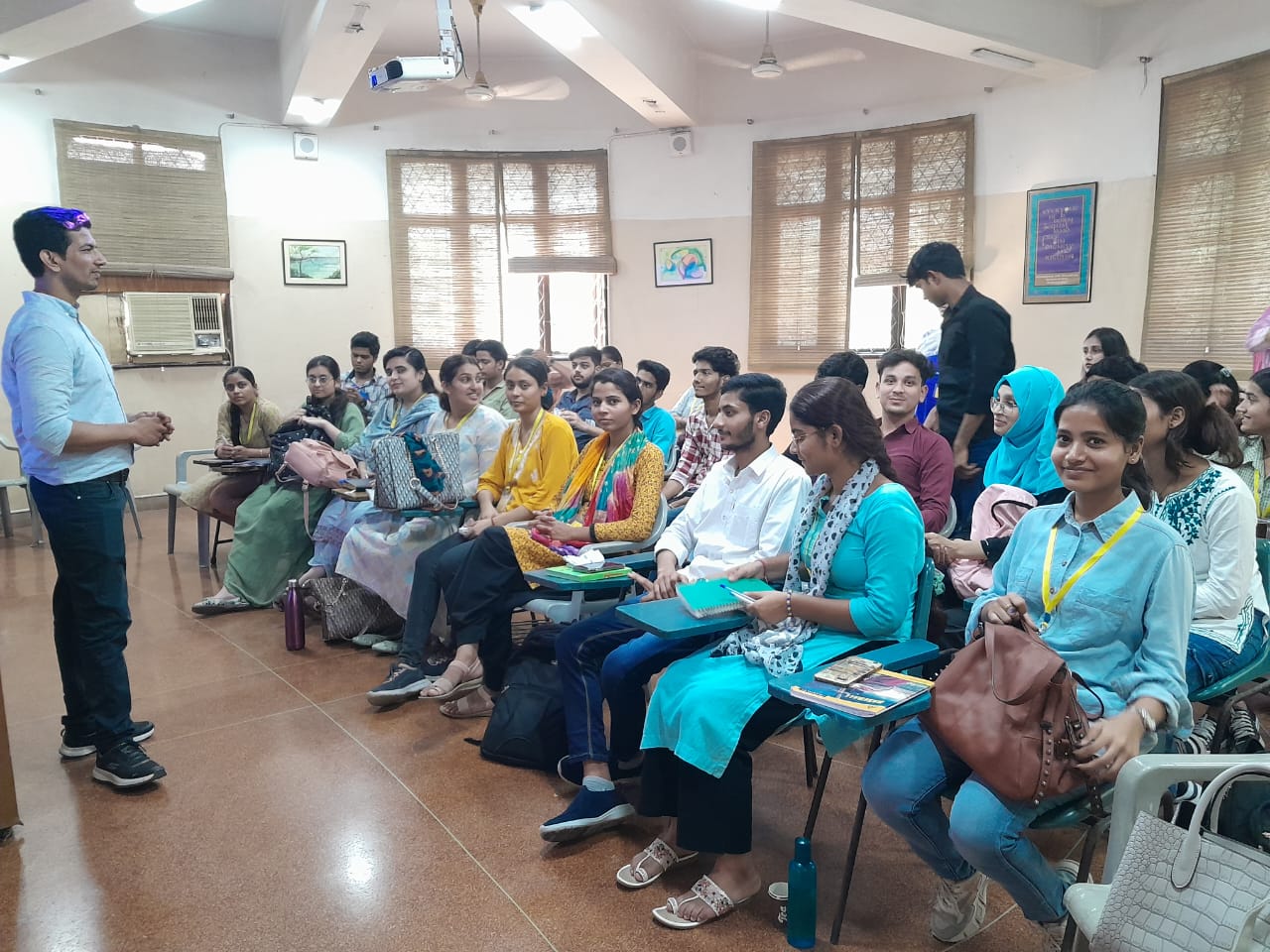
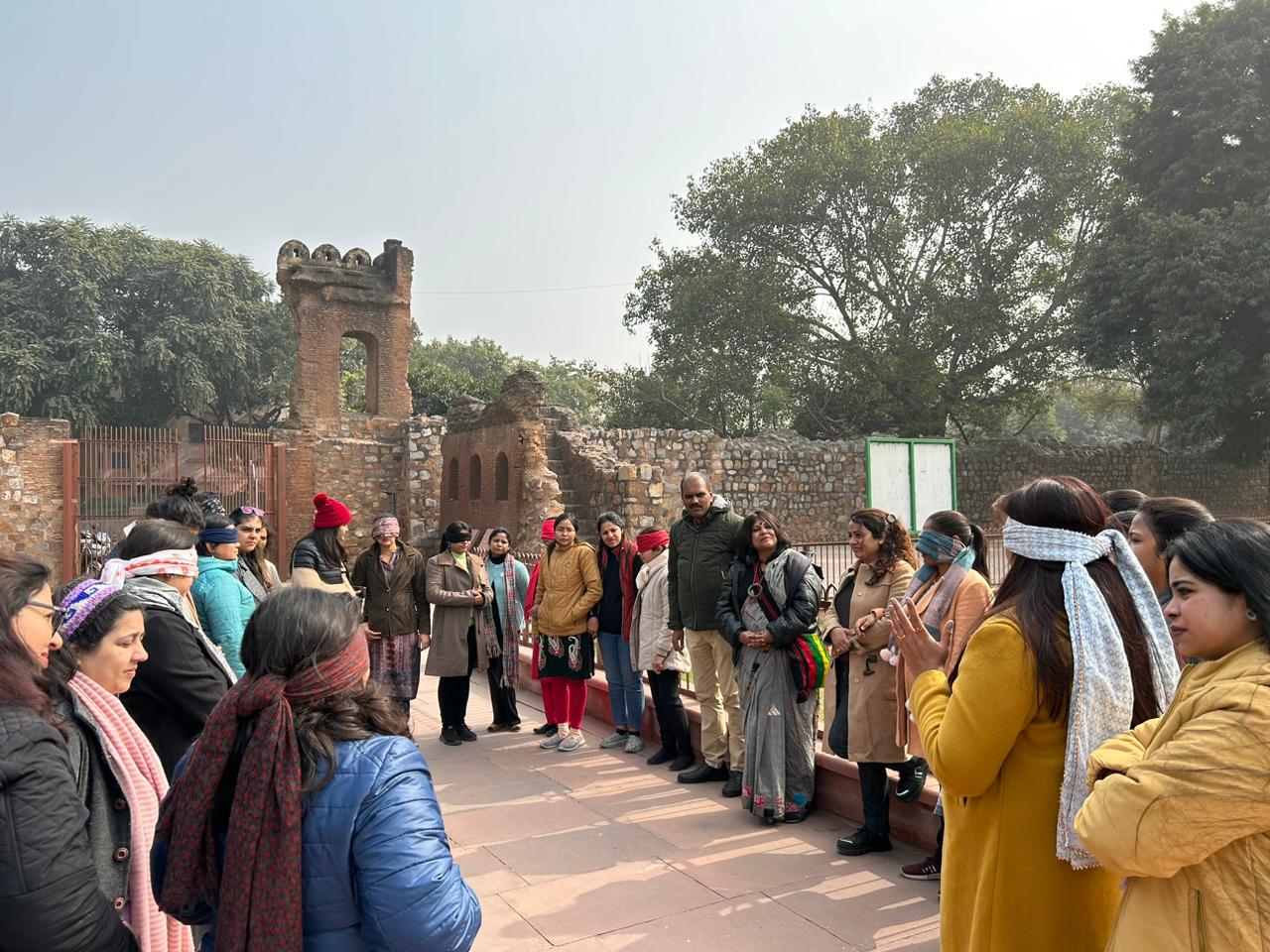
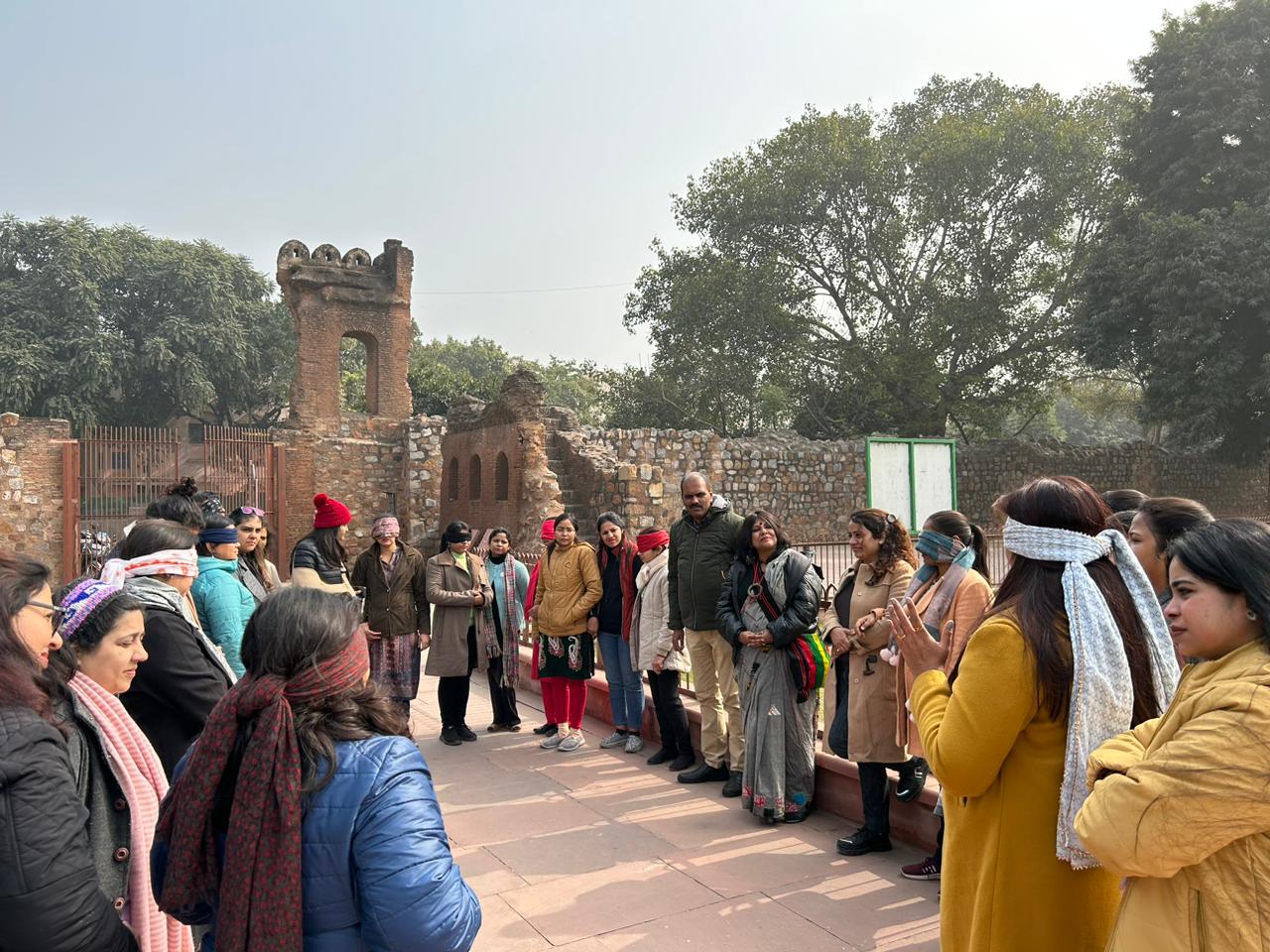
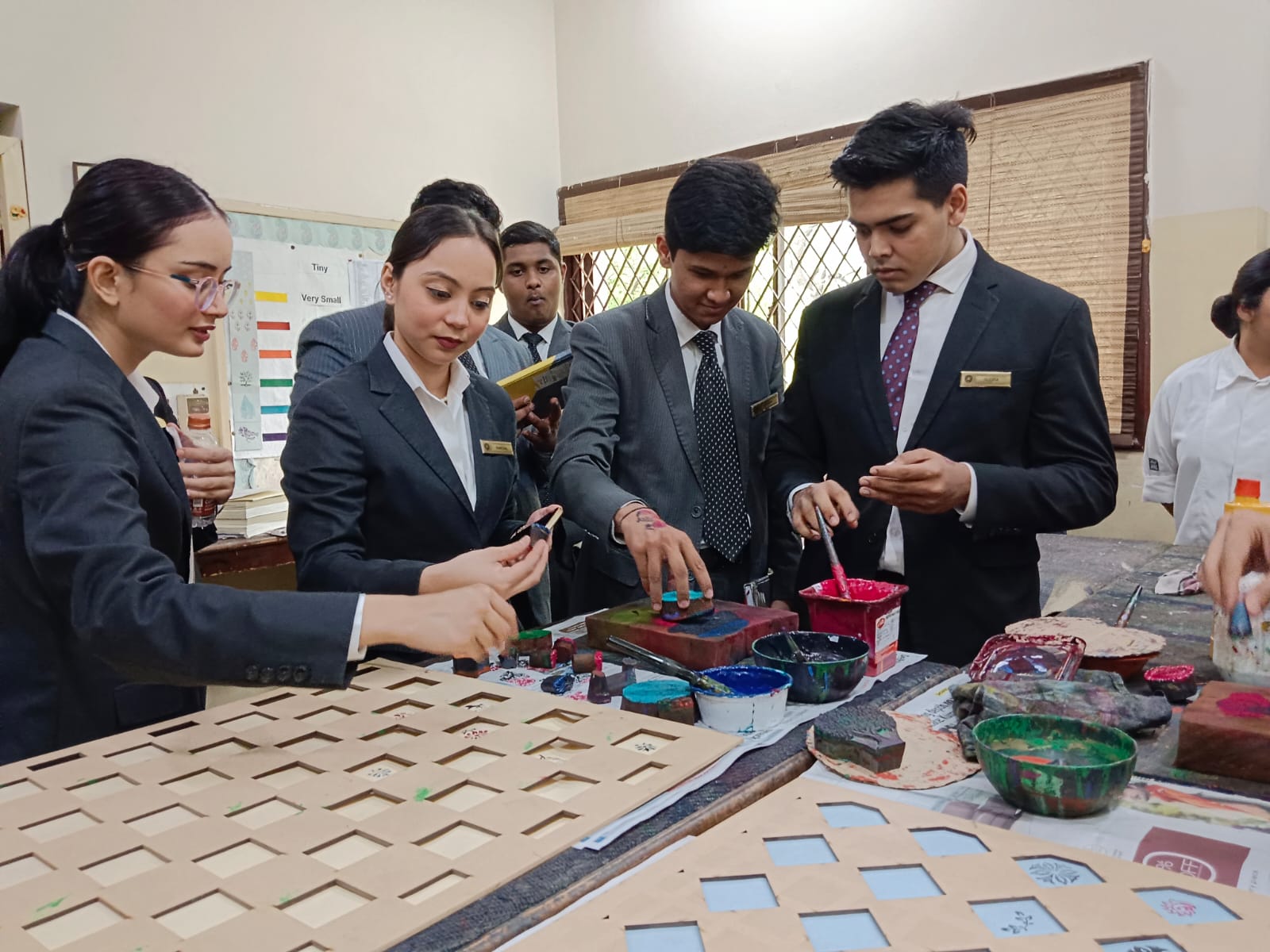
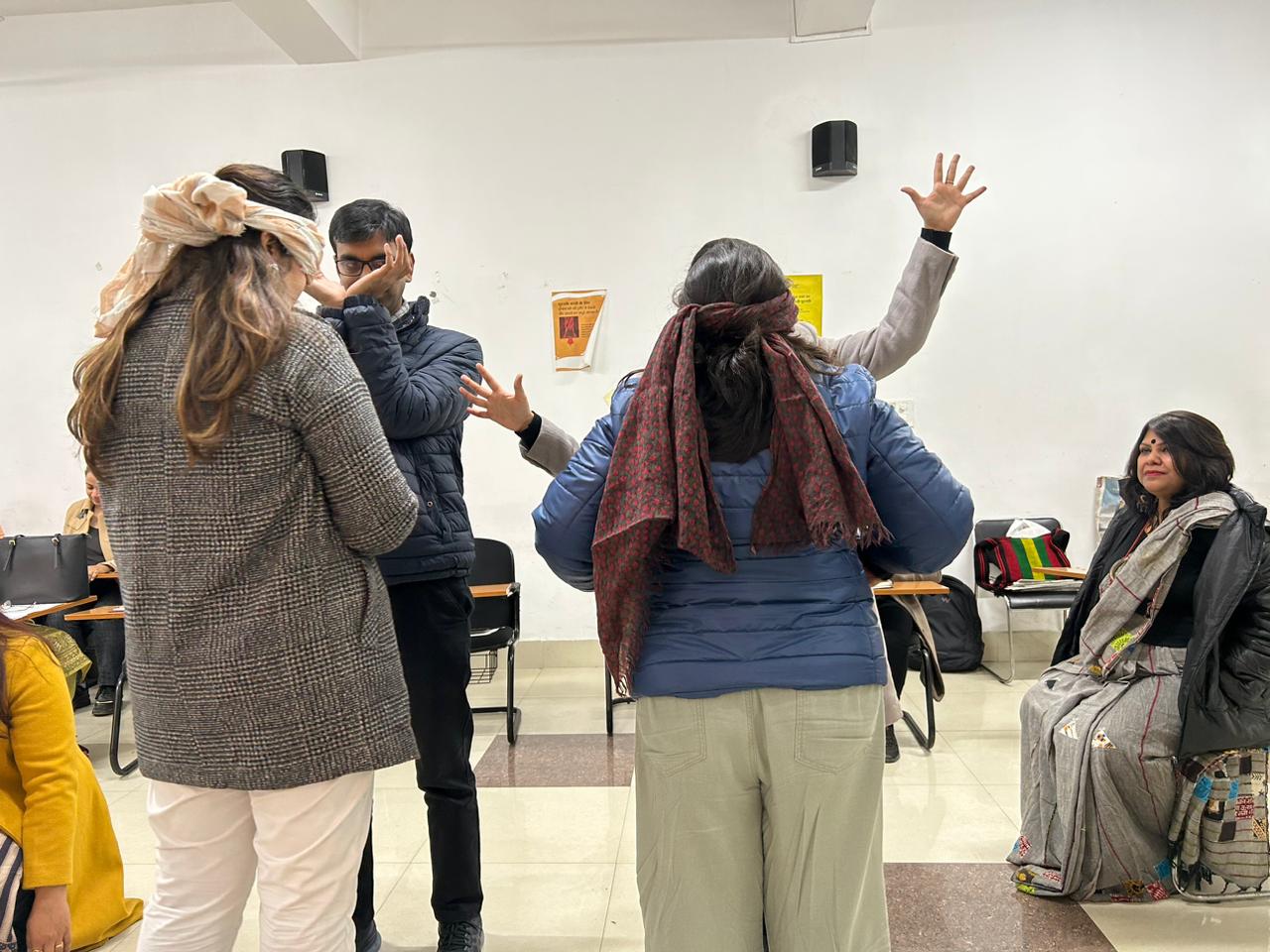
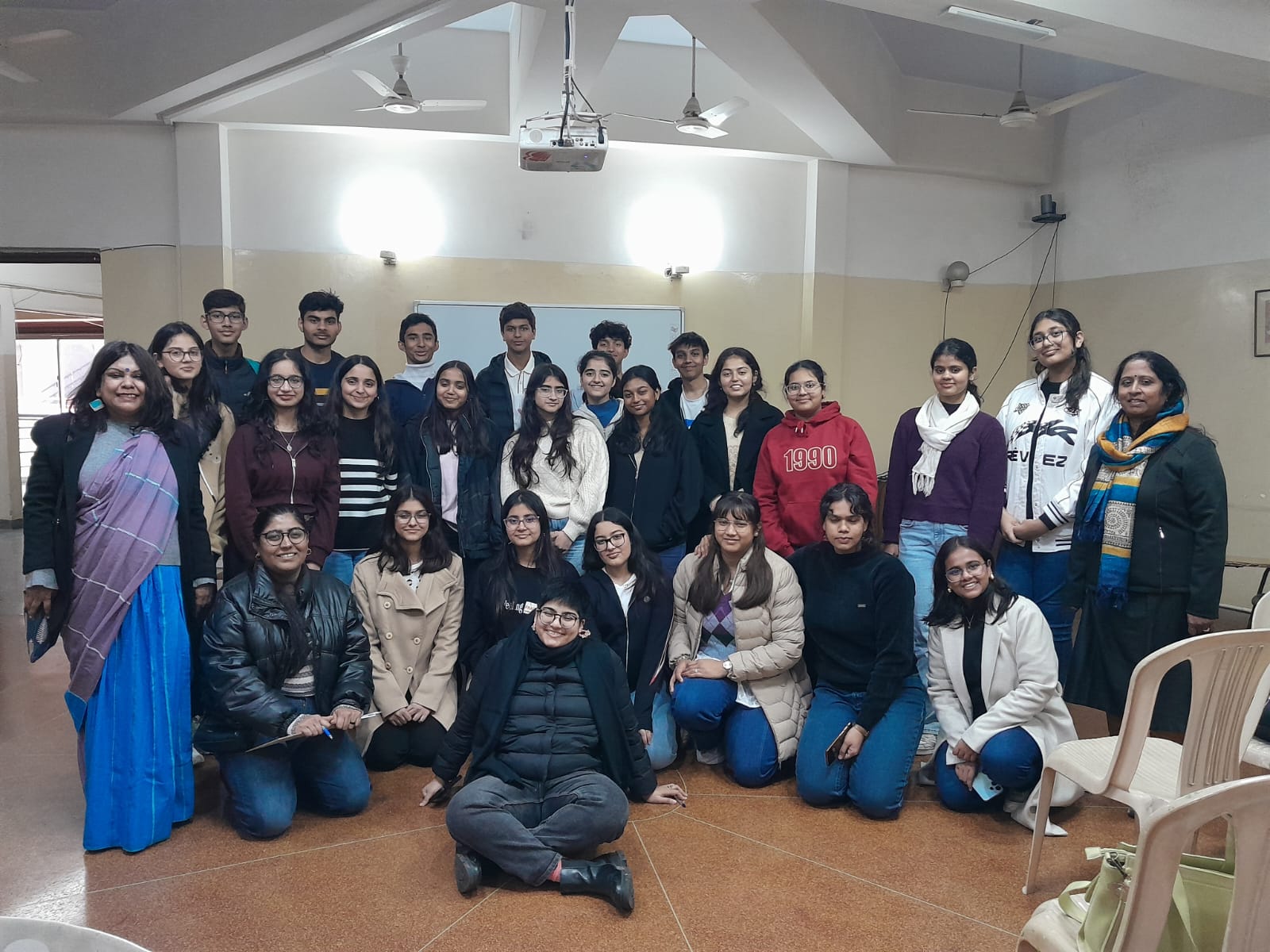
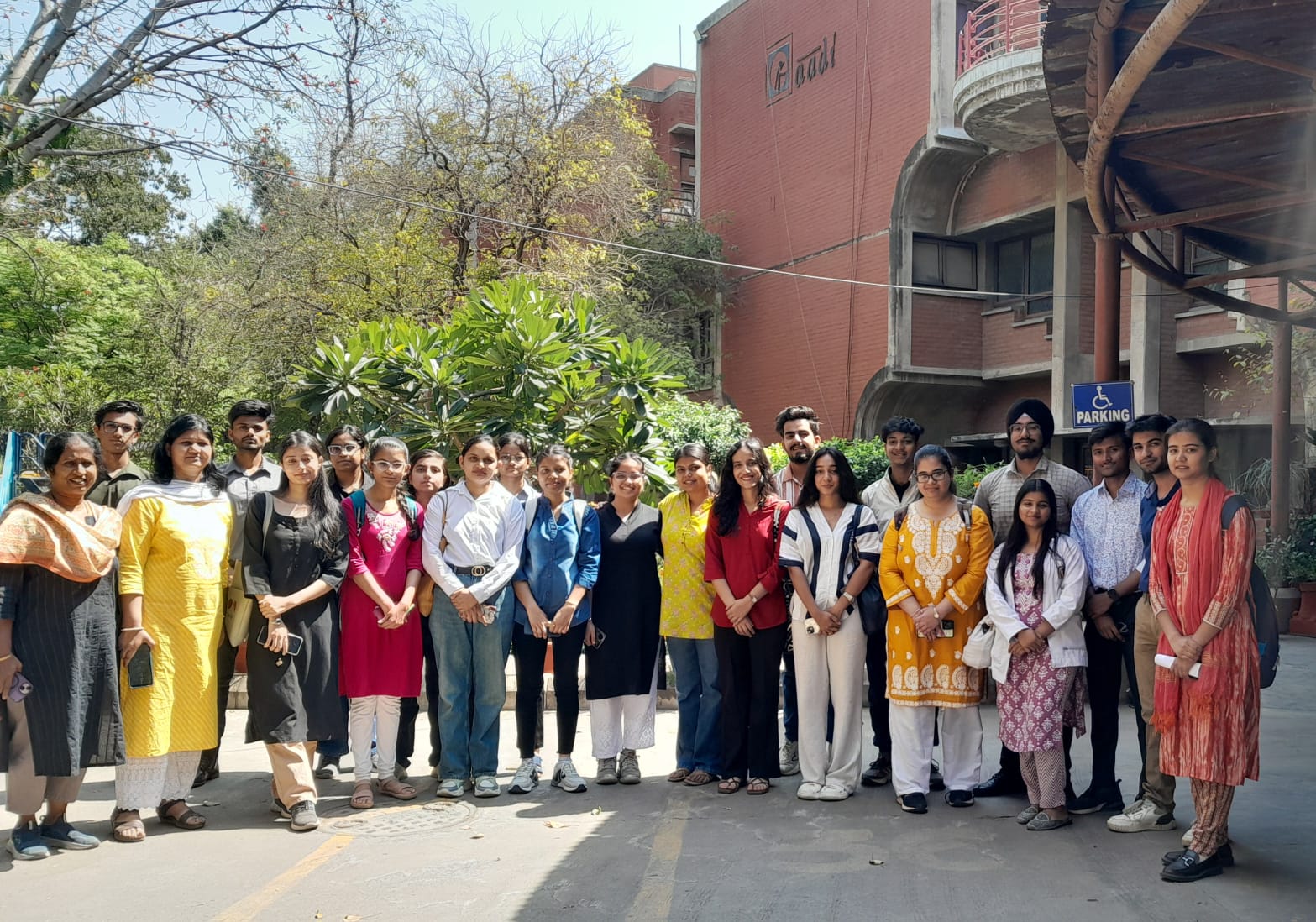
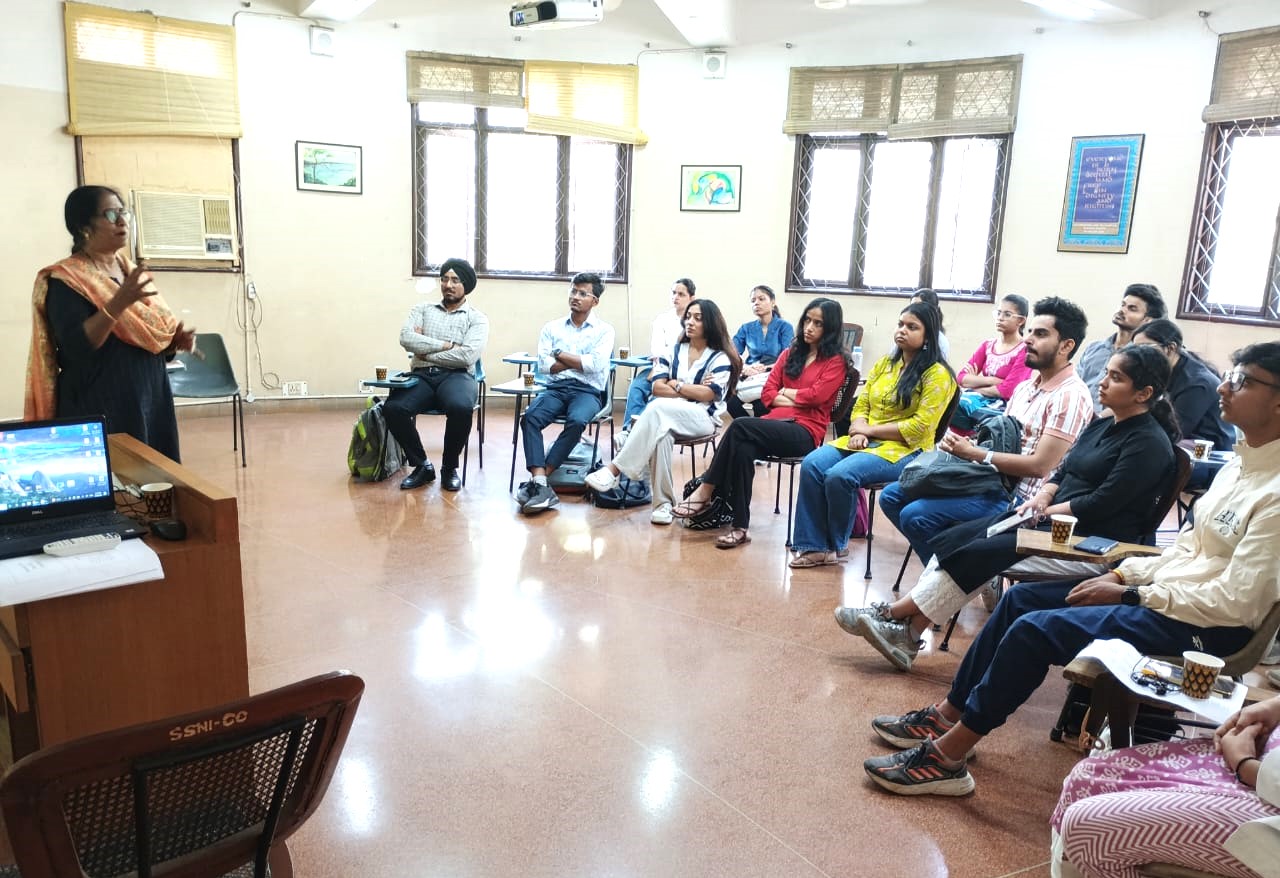
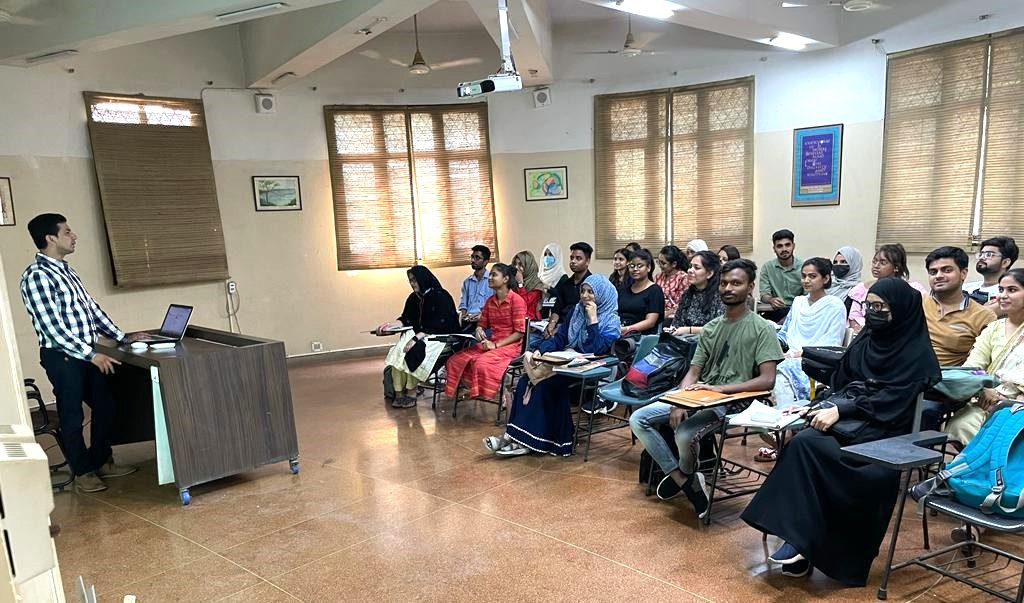
- We offer sensitization programs for students from various disciplines such as social work, management, architecture, law, psychology, nursing, fine arts, and communications. AADI provides internships to students, helping them integrate disability-related perspectives into their future careers.
- Orientation programs for school and college students foster positive relationships between young people with and without disabilities. These inclusive opportunities allow students to participate together, sharing insights and experiences.
Parents and Caregivers
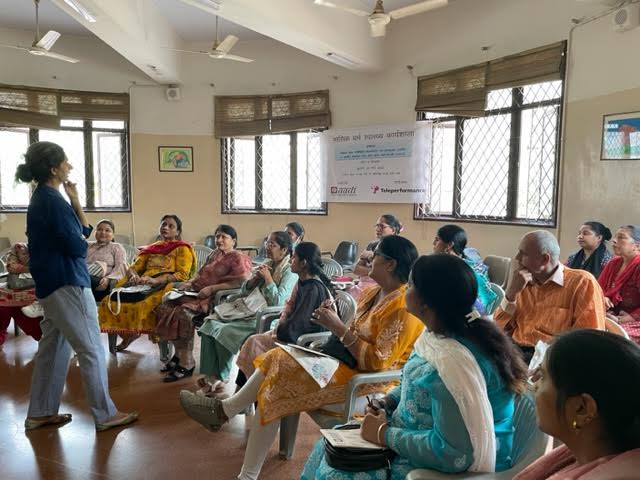
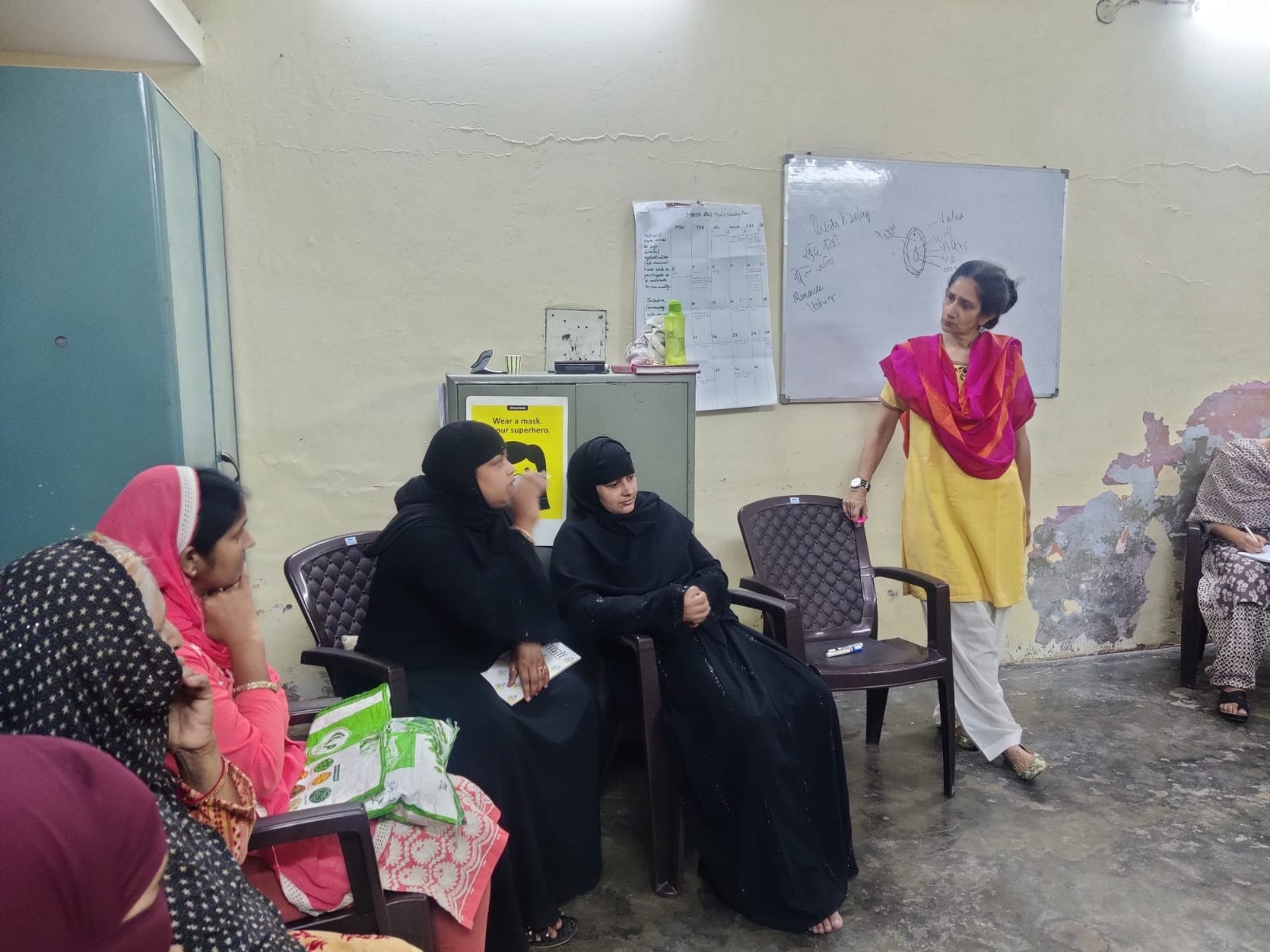
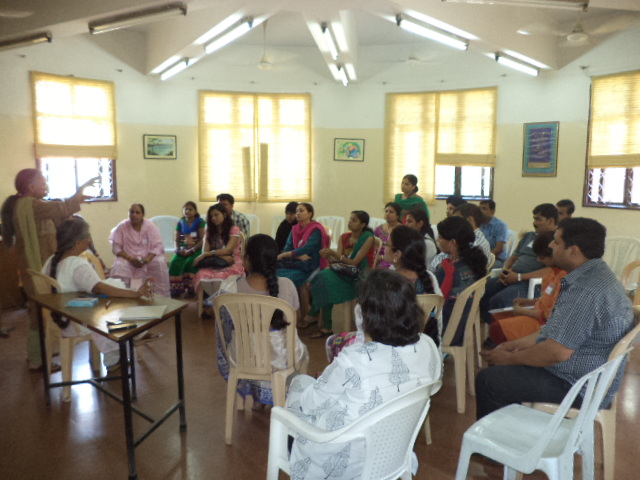
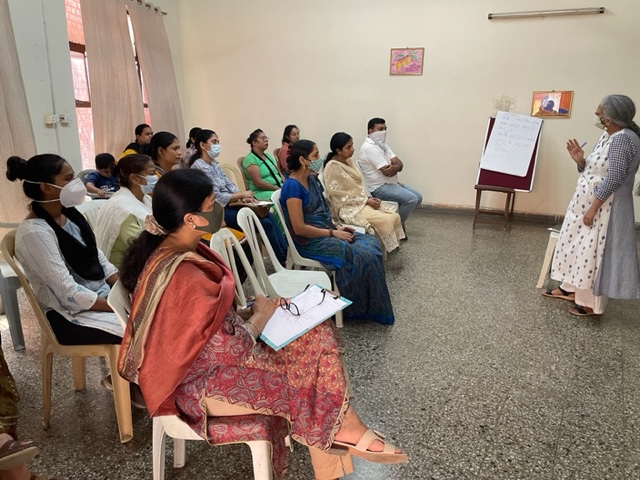
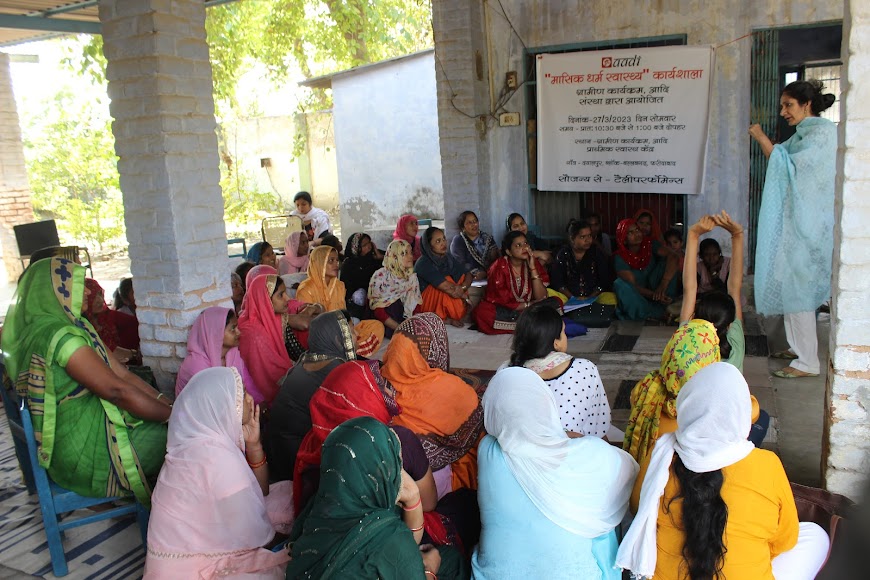
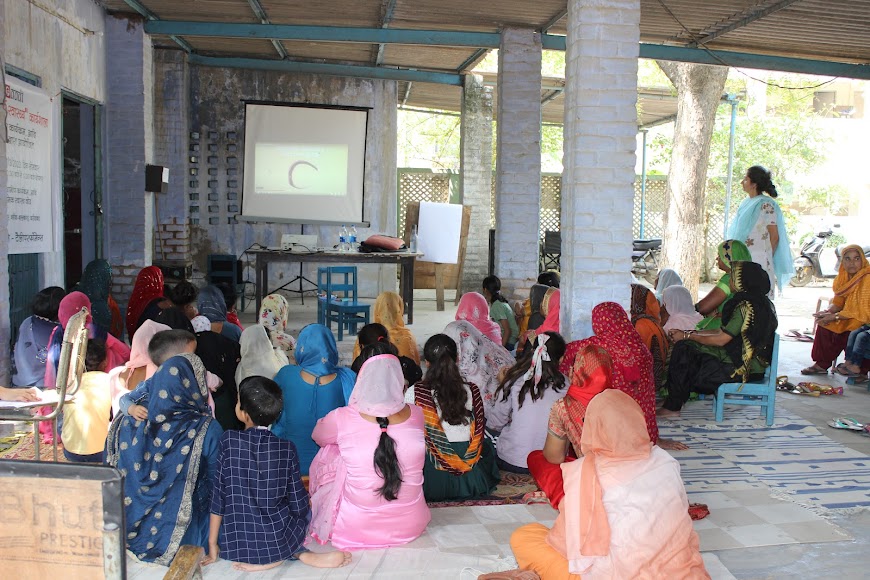
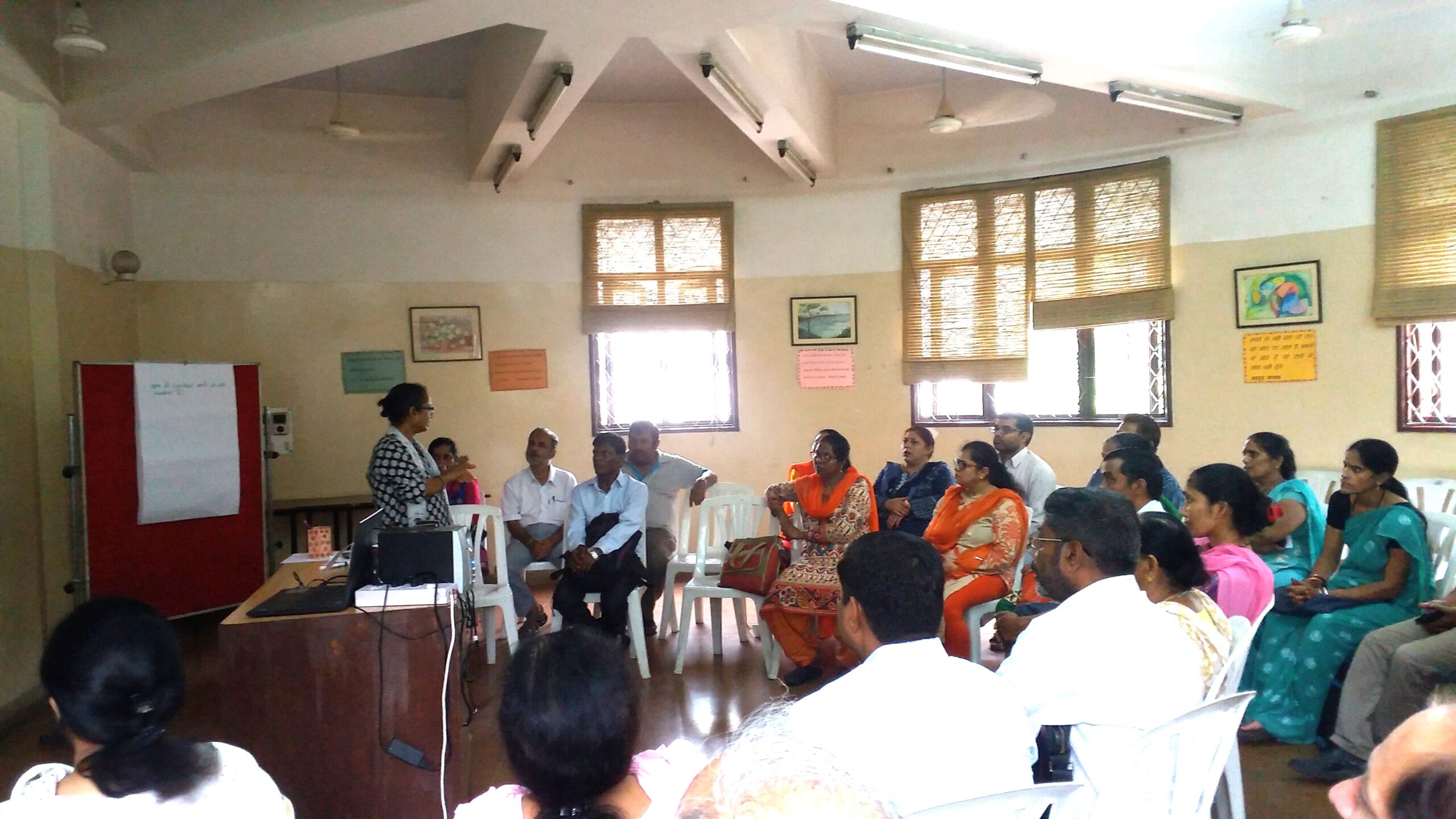
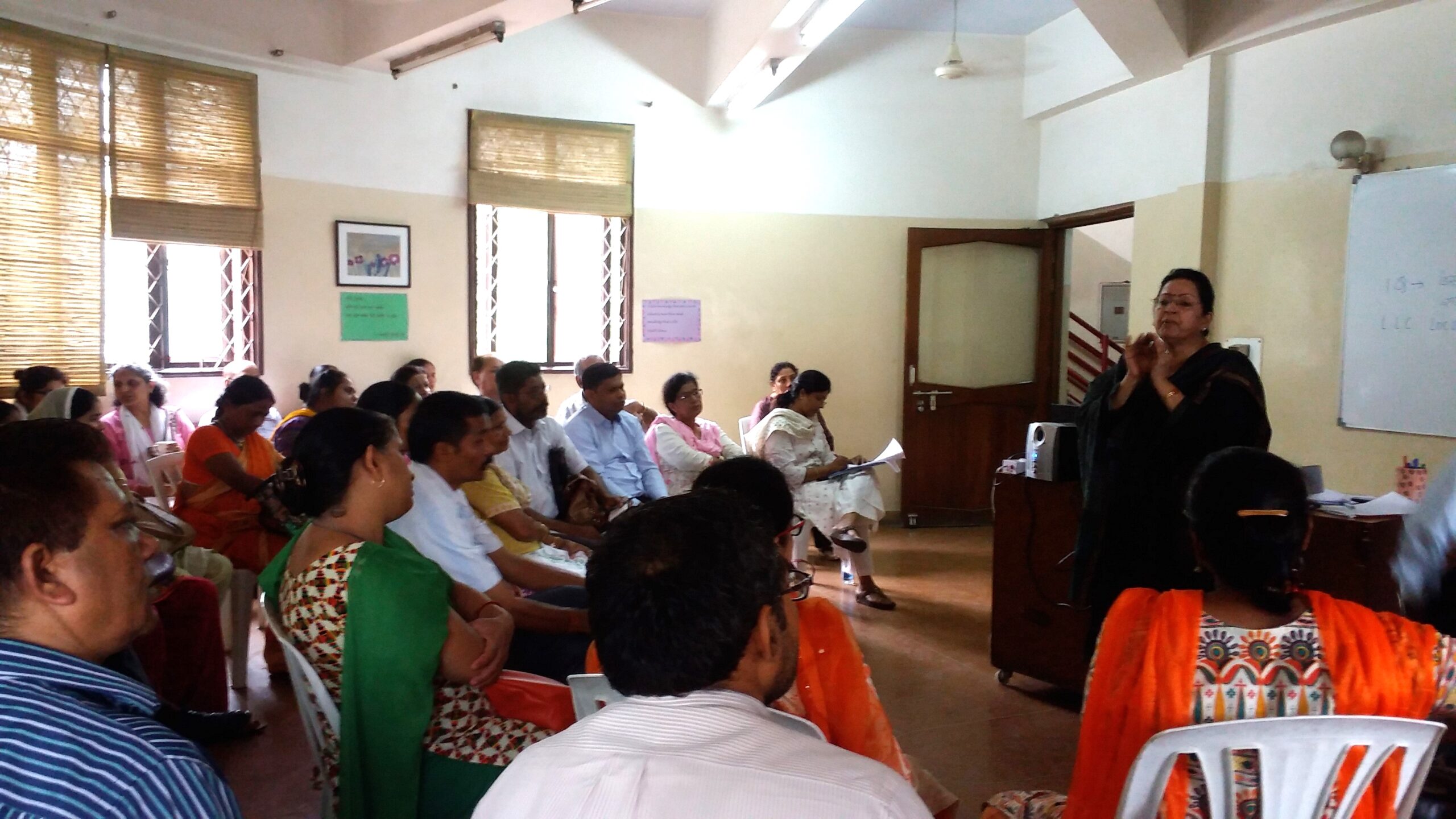
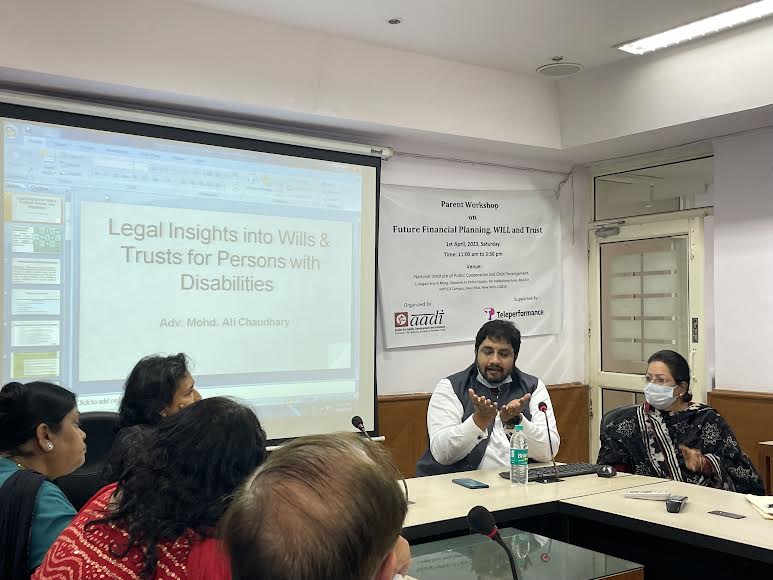
- Parent training programs help parents and caregivers view their children as capable individuals with the capacity to make choices. These programs demonstrate skills and guide parents in providing opportunities to enhance their wards’ independence and access to social entitlements.
Community Workers
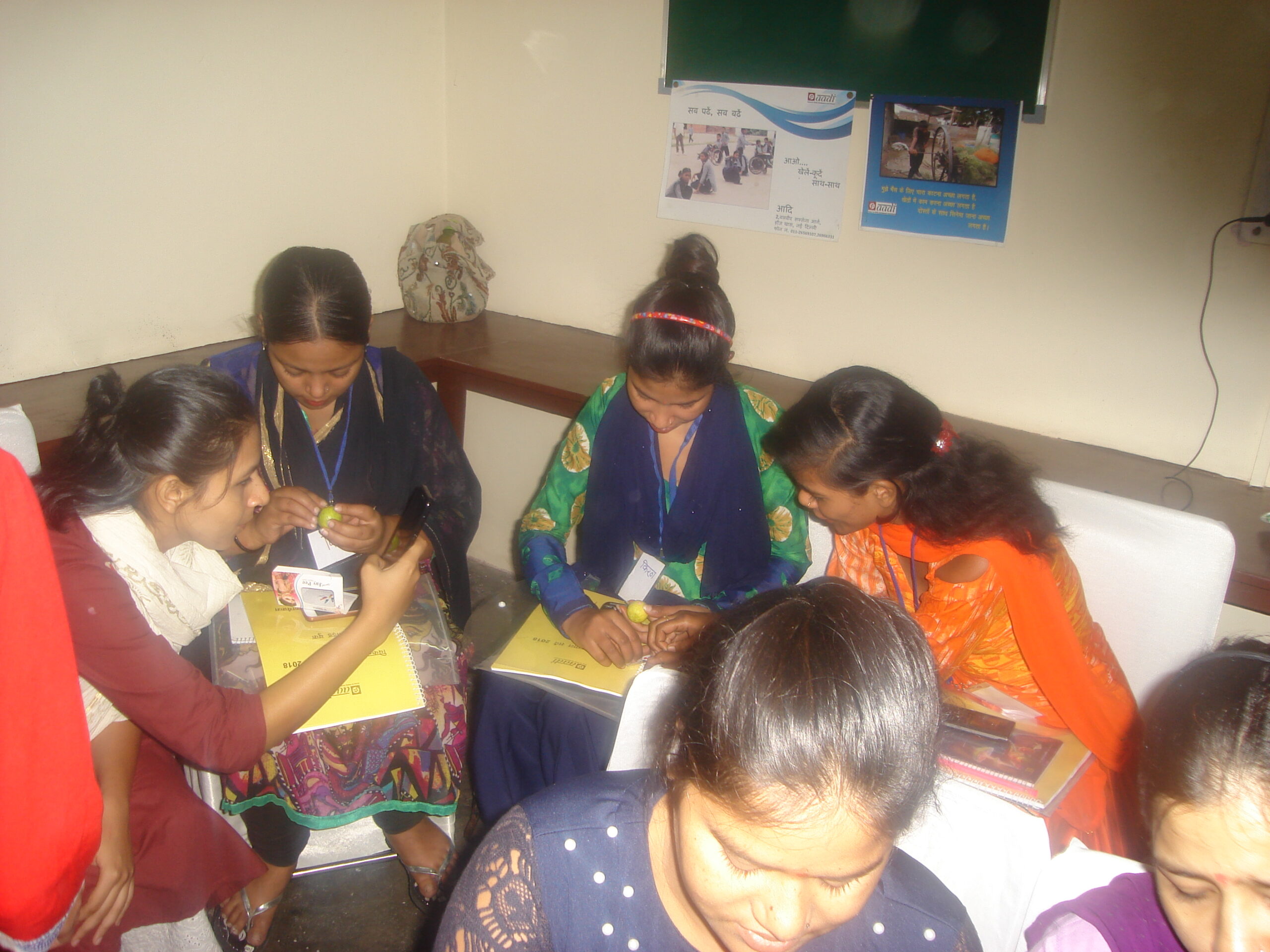
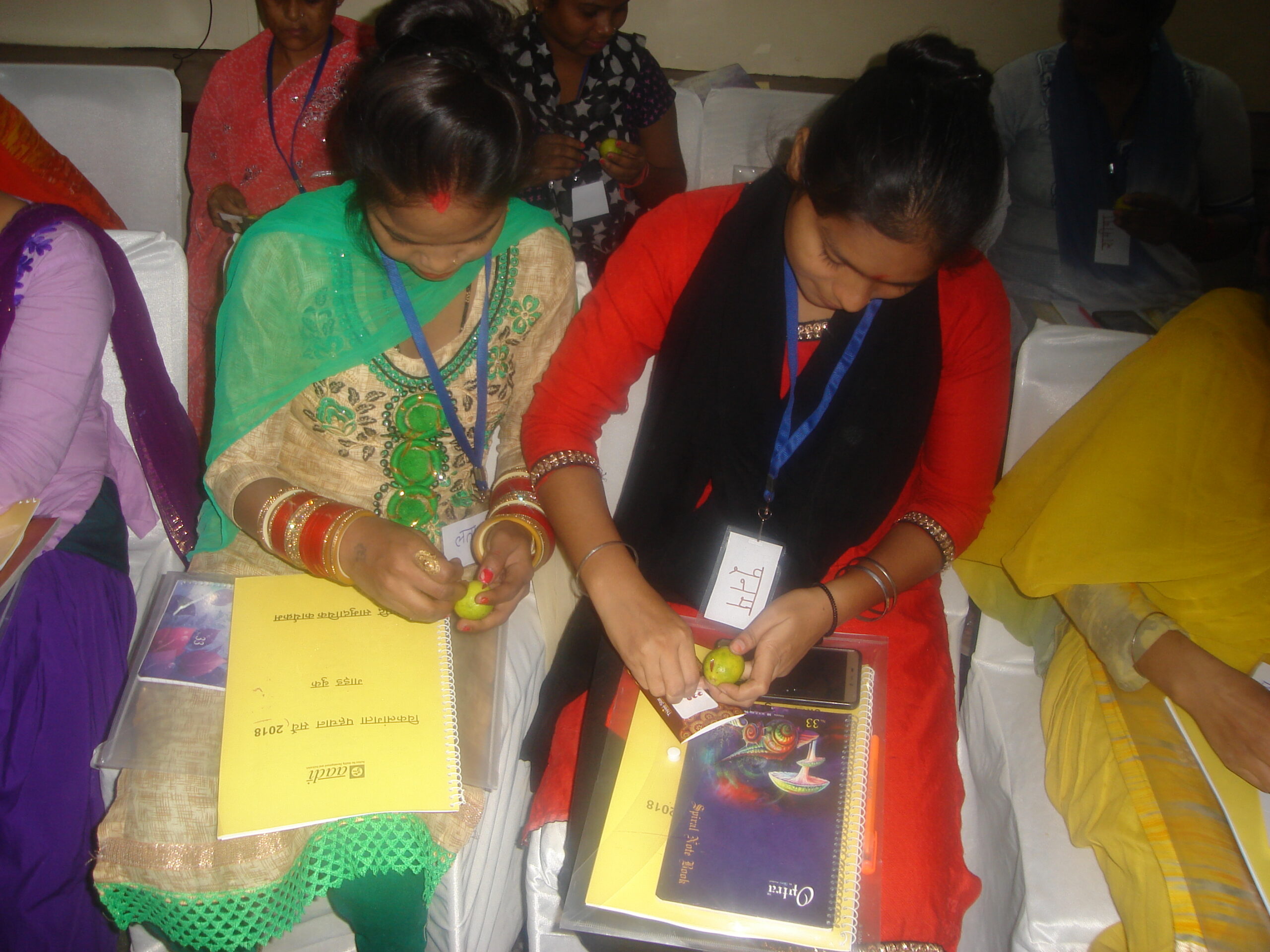
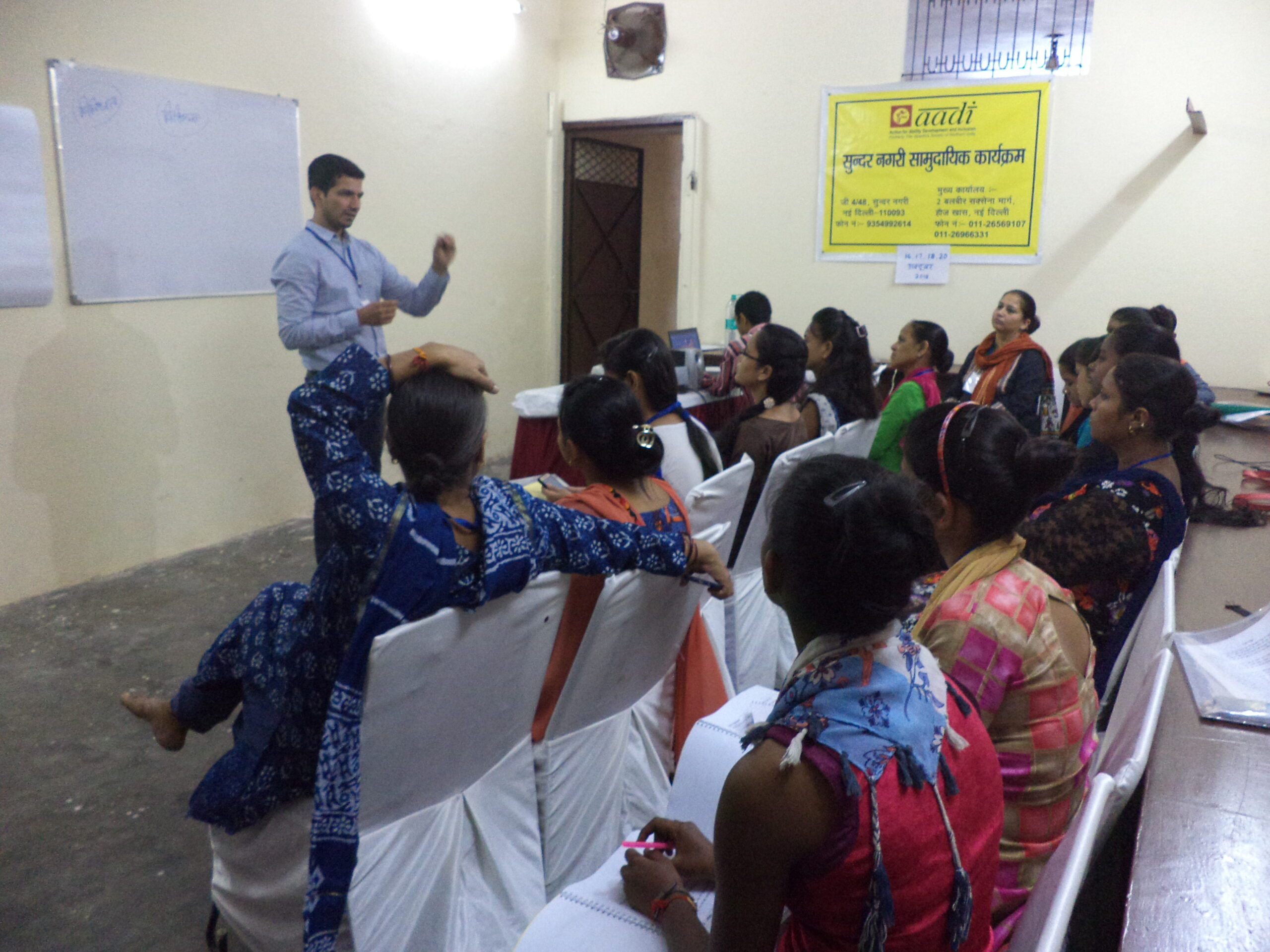
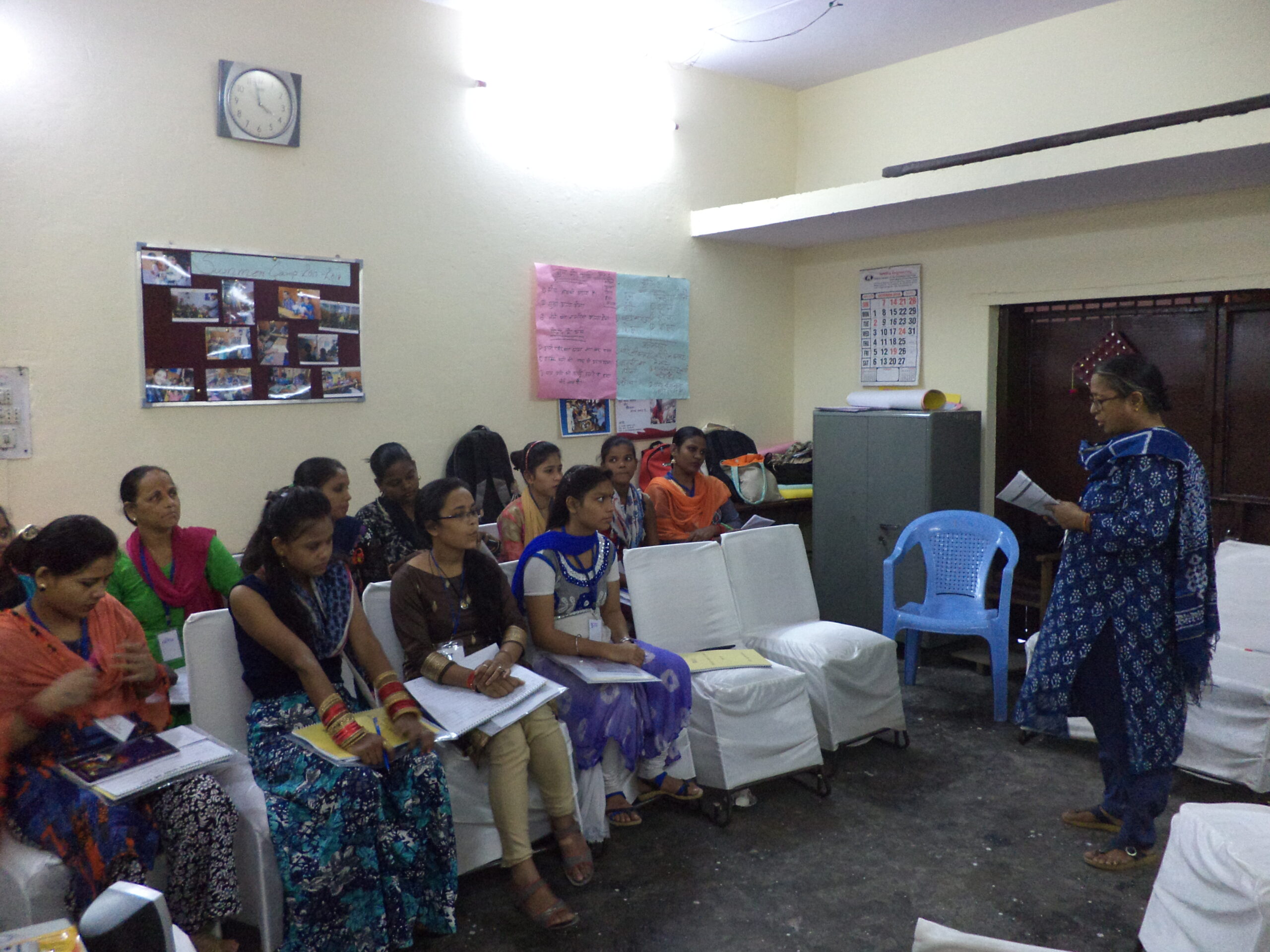
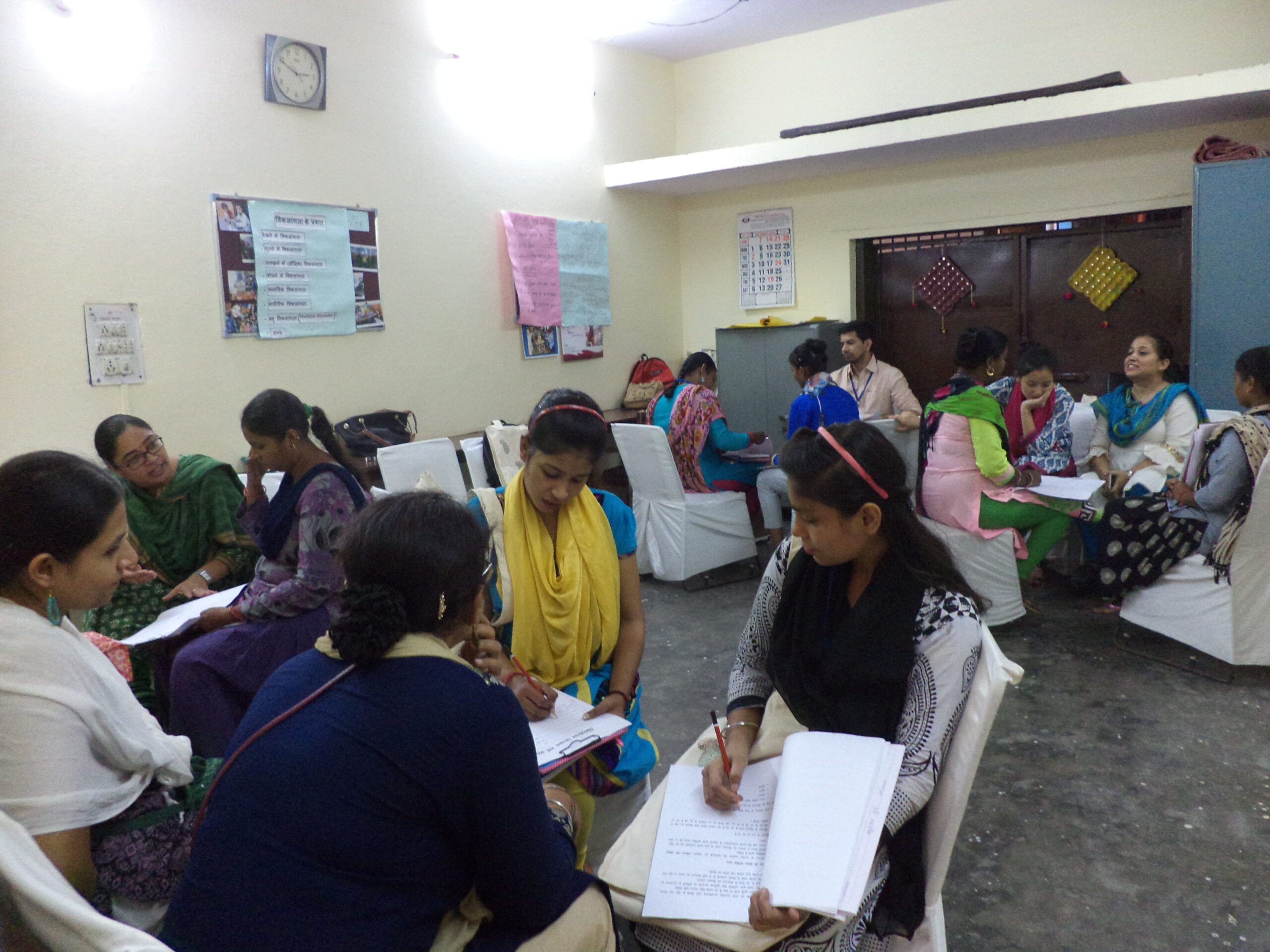
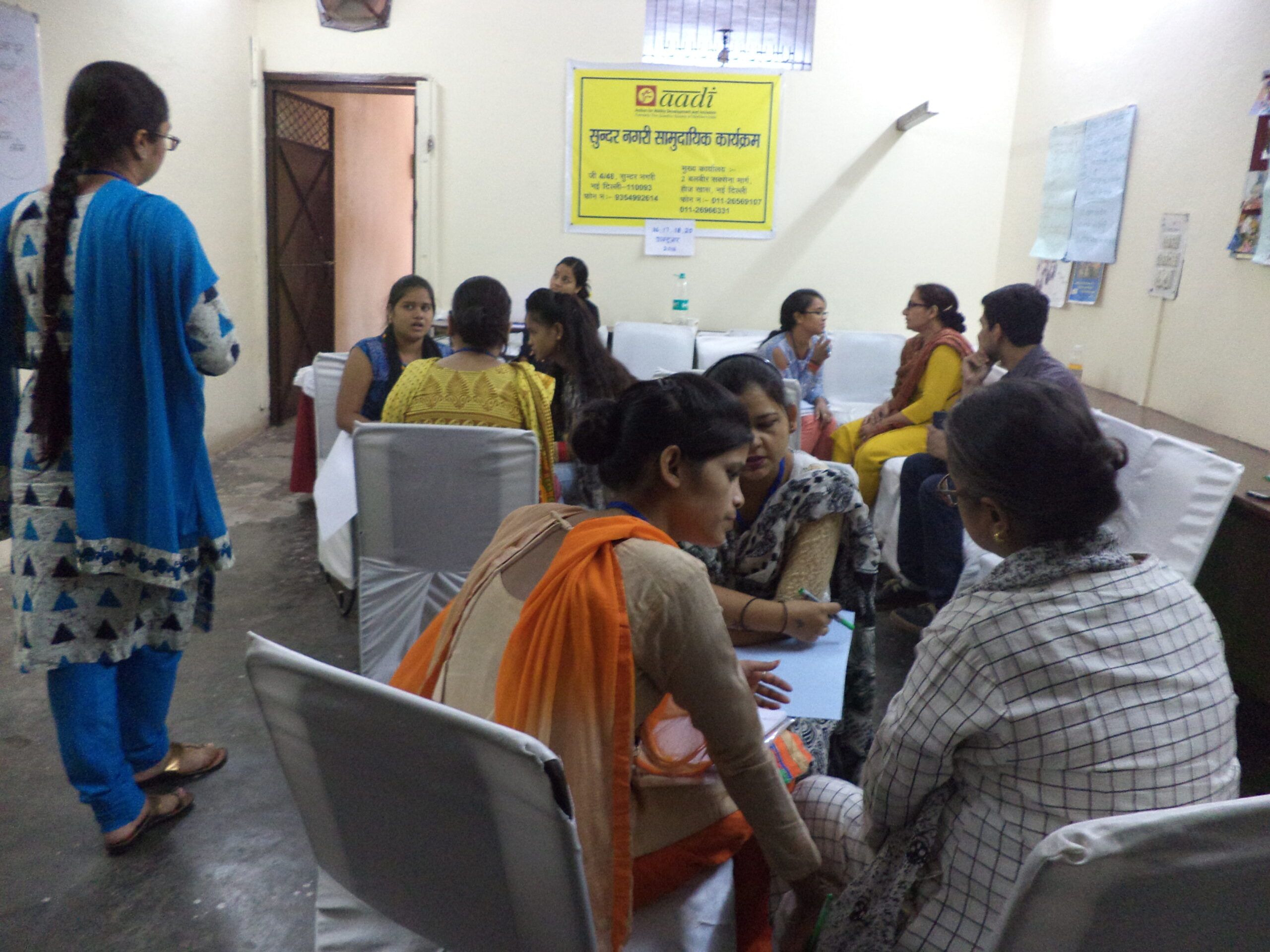
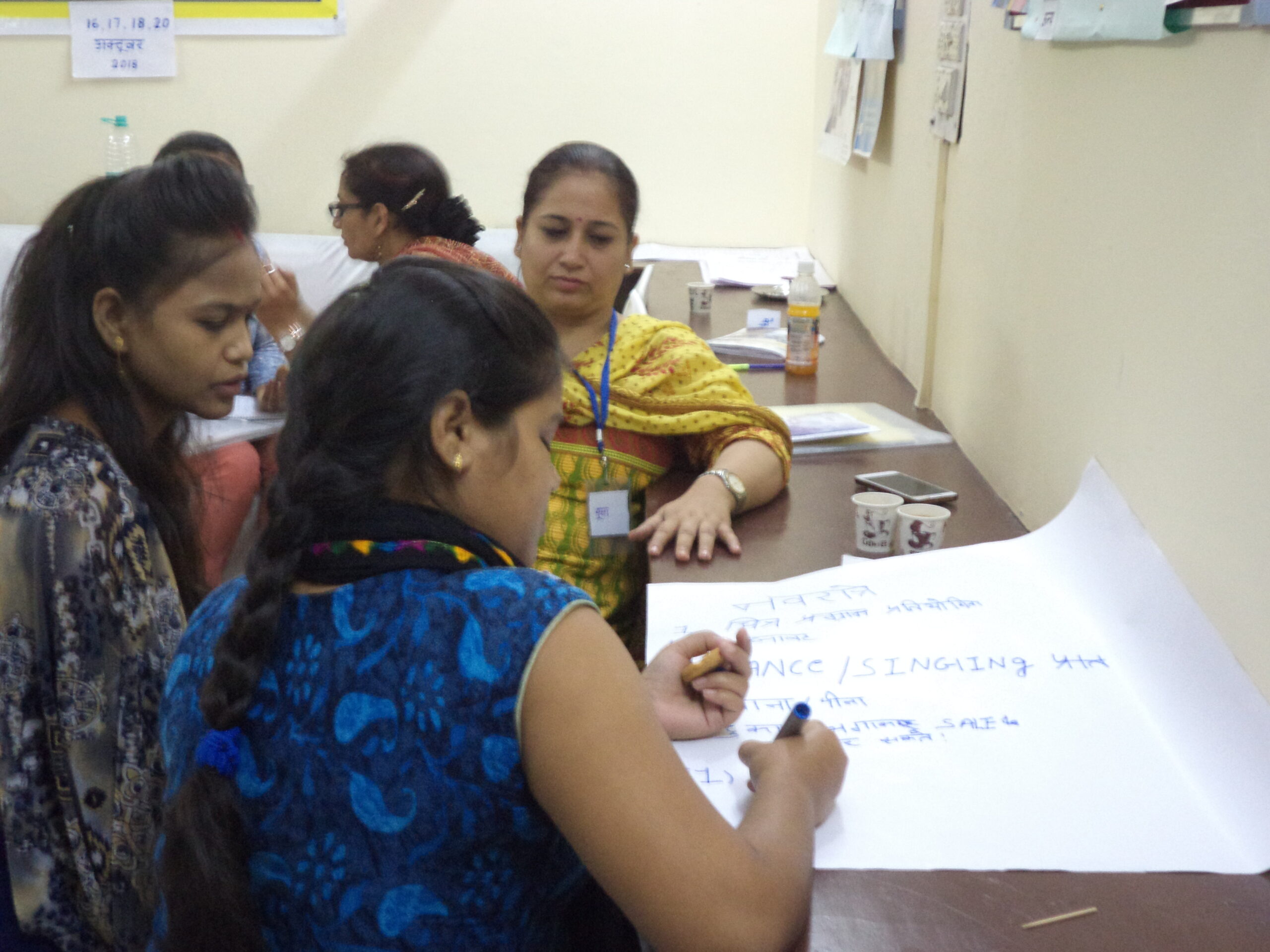
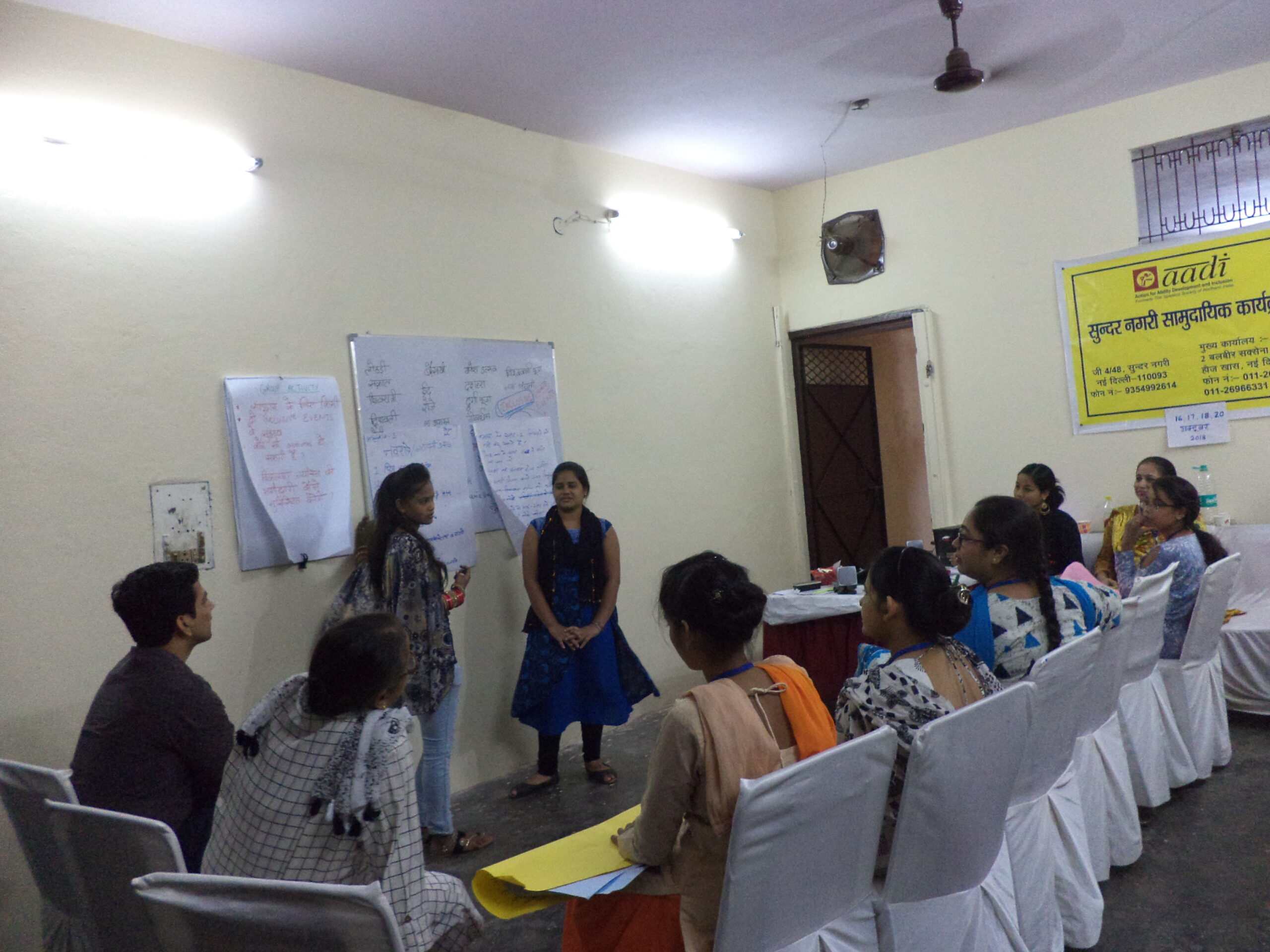
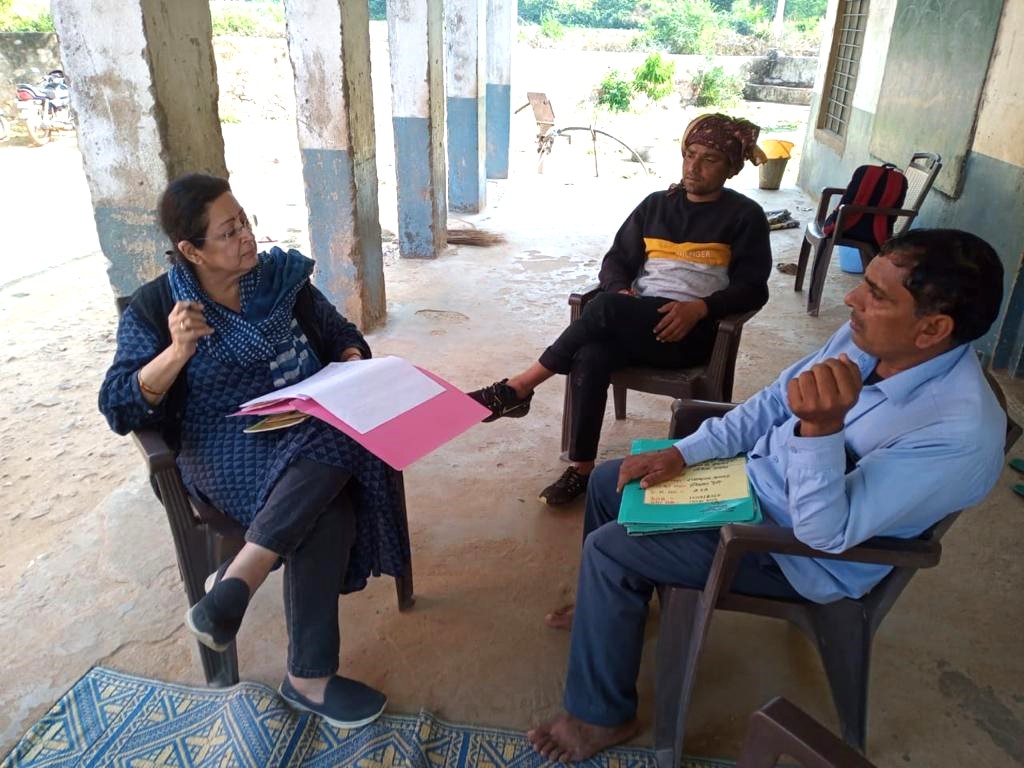
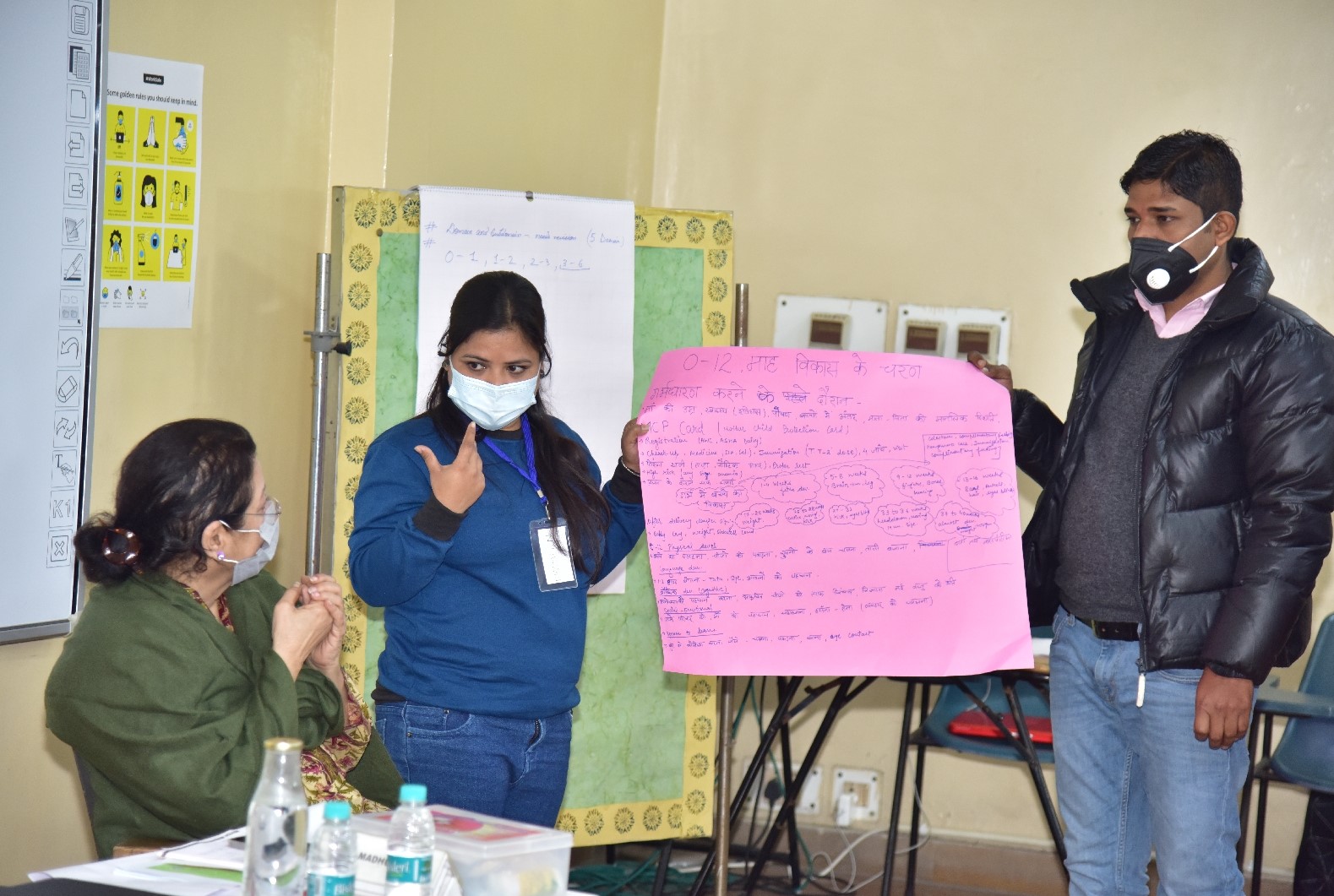
- Community workers in rural areas are trained to become primary support for families and people with disabilities. Training includes prevention, detection, and intervention in disability and health. In urban areas, our team conducts similar training for primary workers of SEWA, focusing on disability perspectives and interaction etiquette.
Driving Lasting Social Change
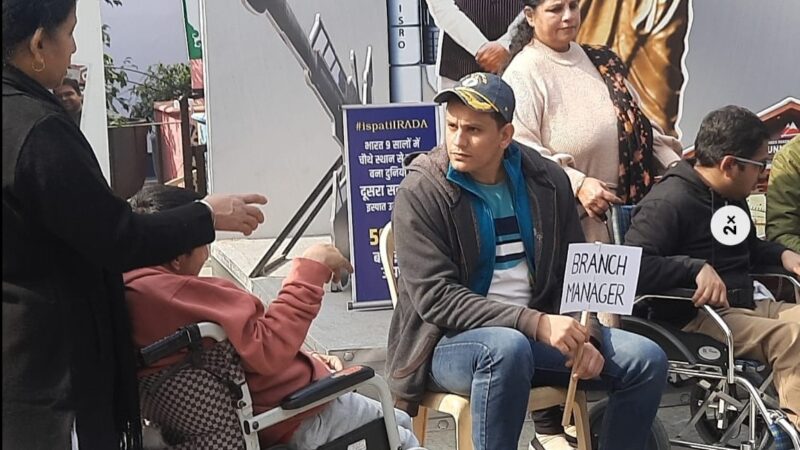
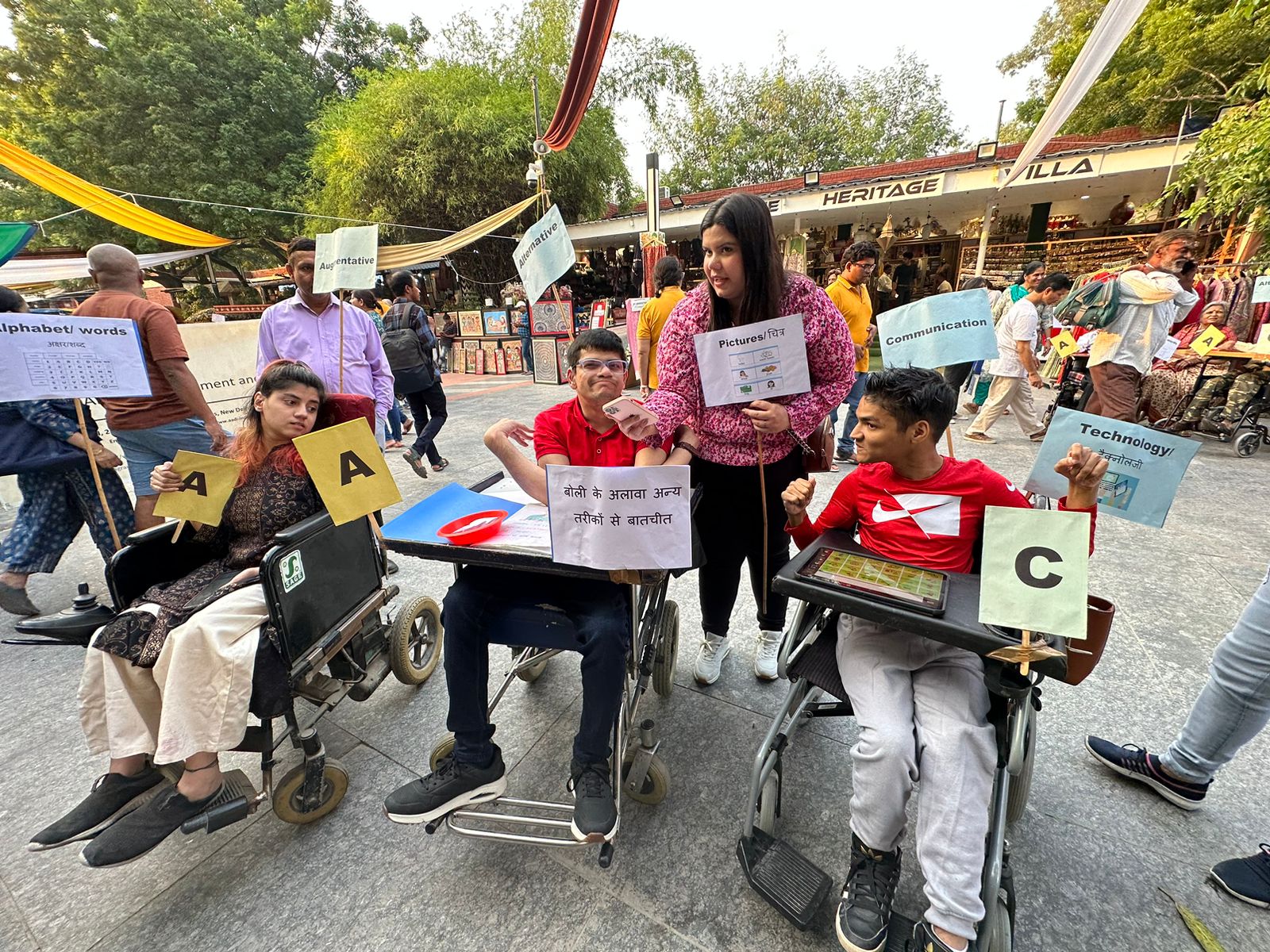
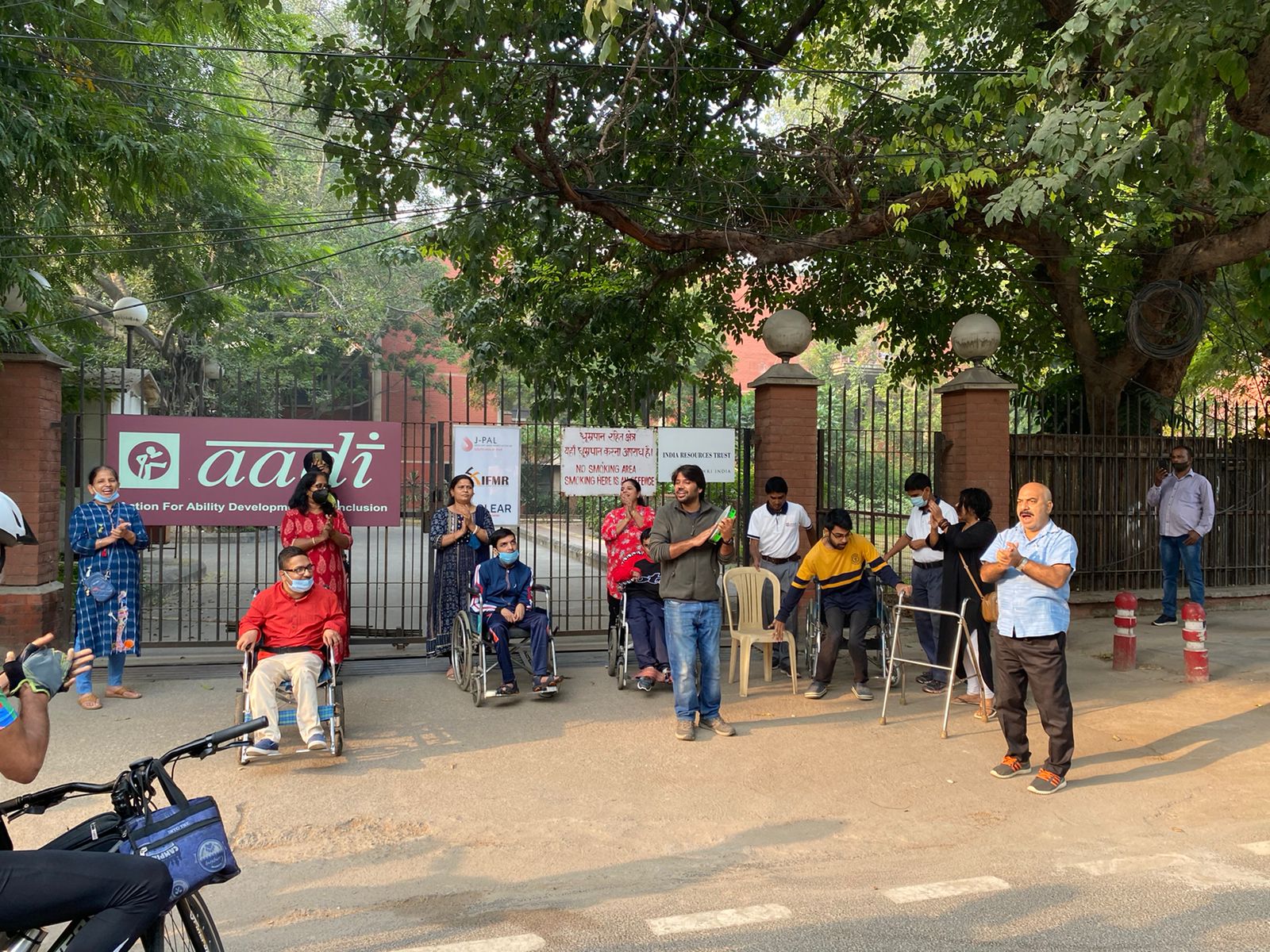
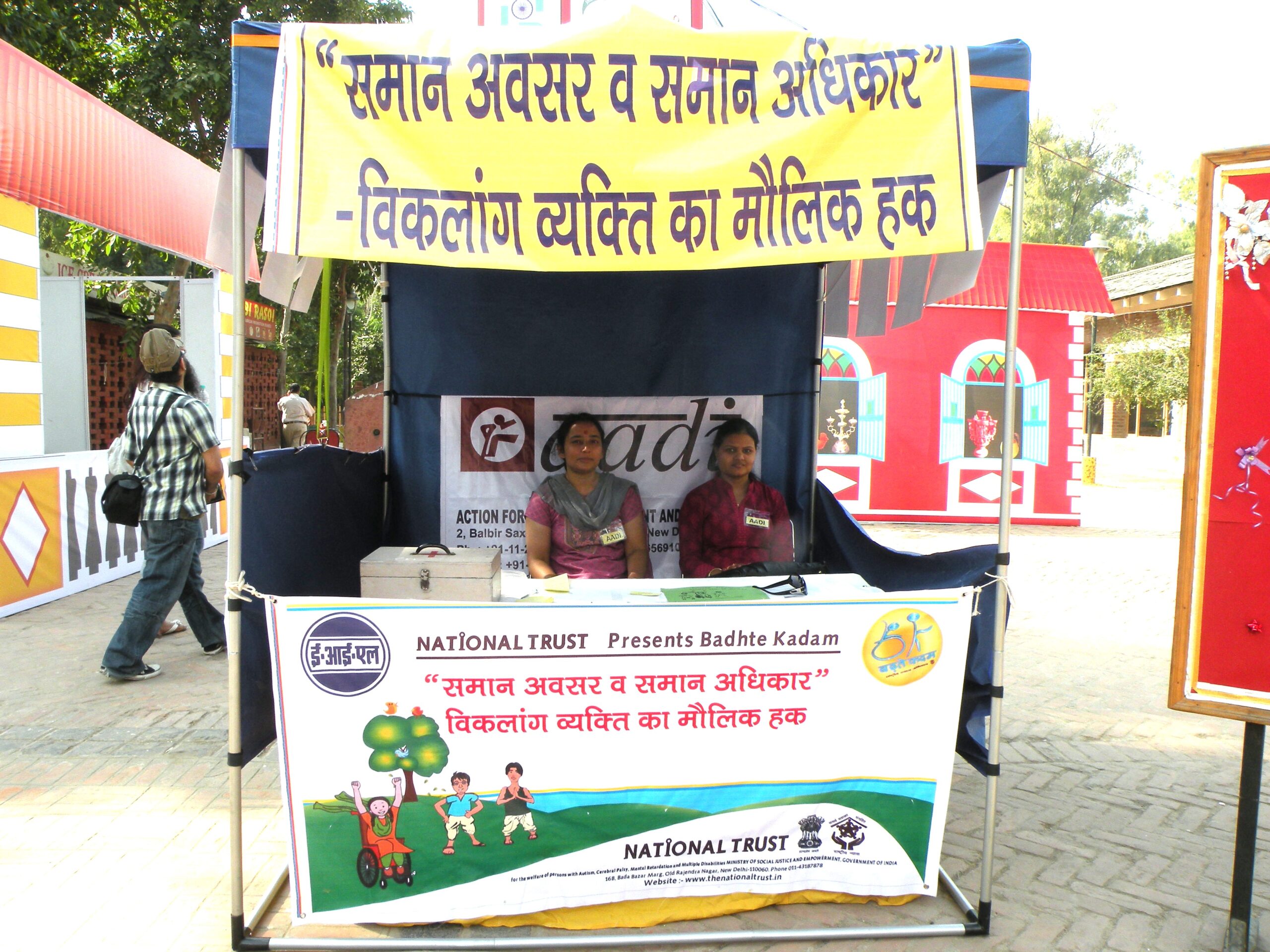
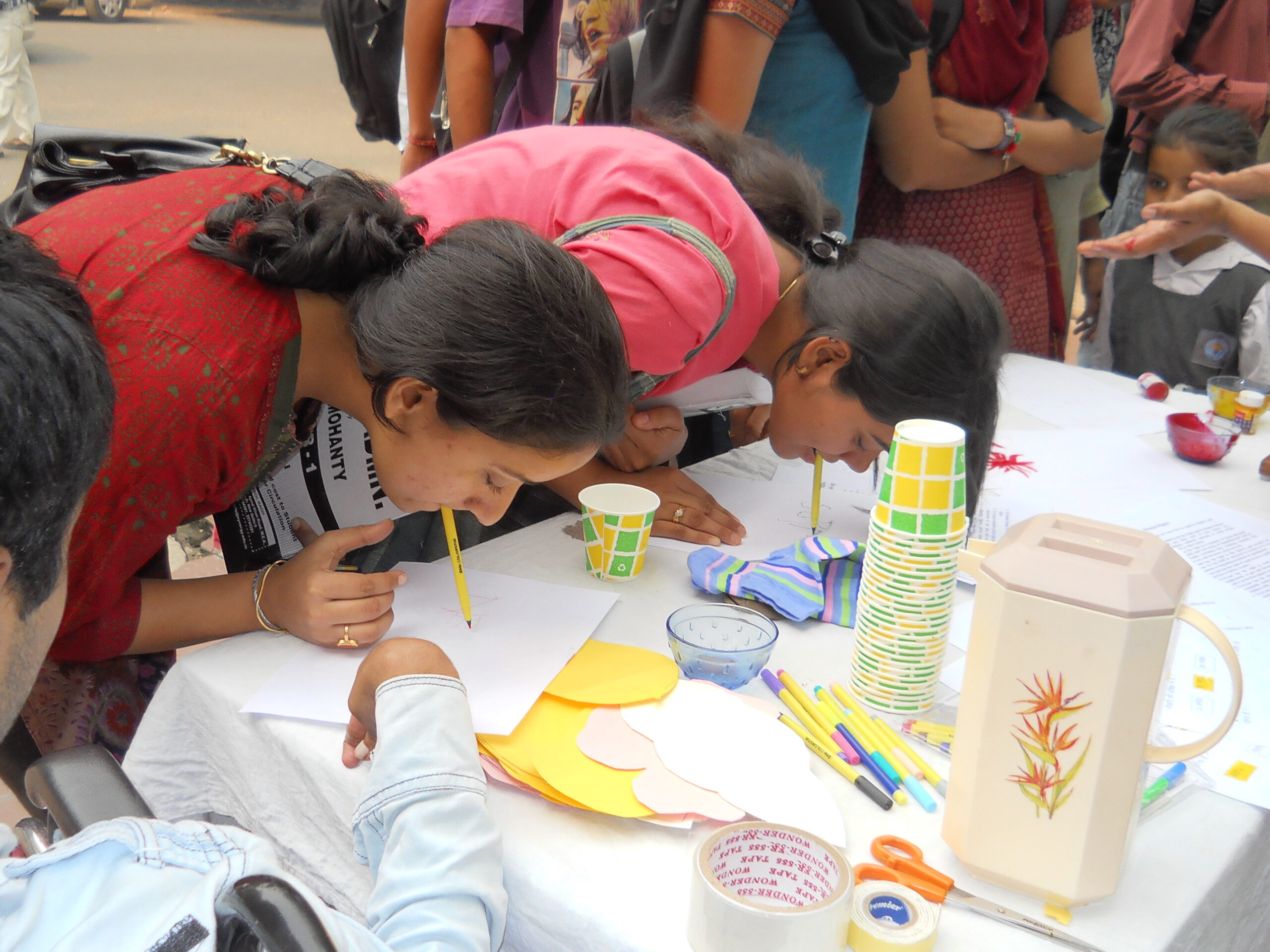
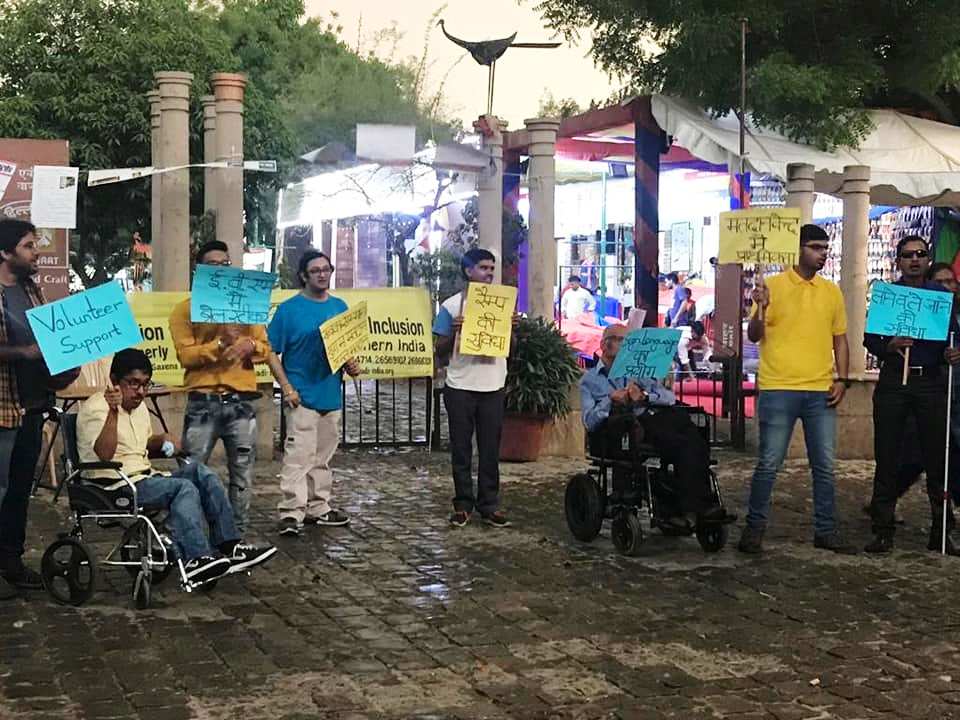
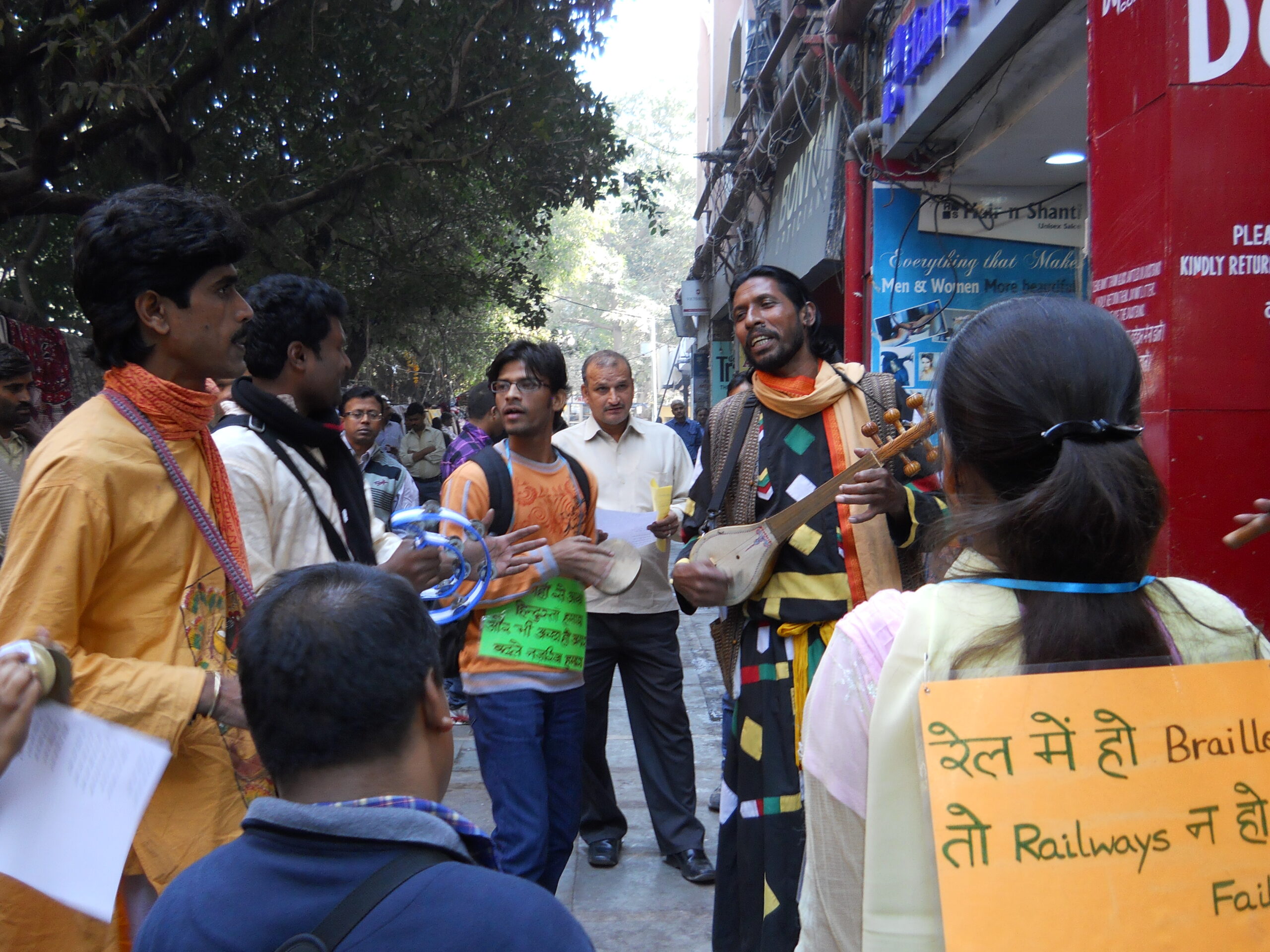
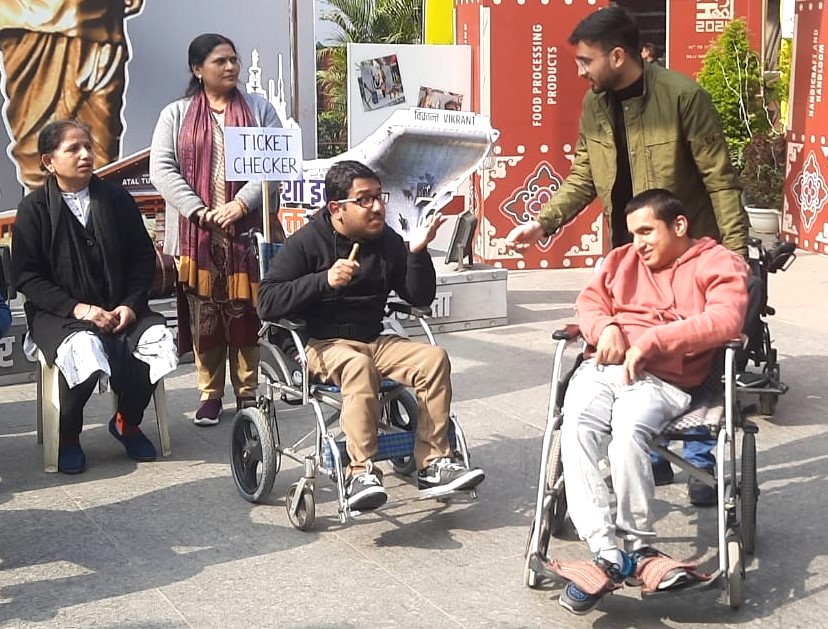
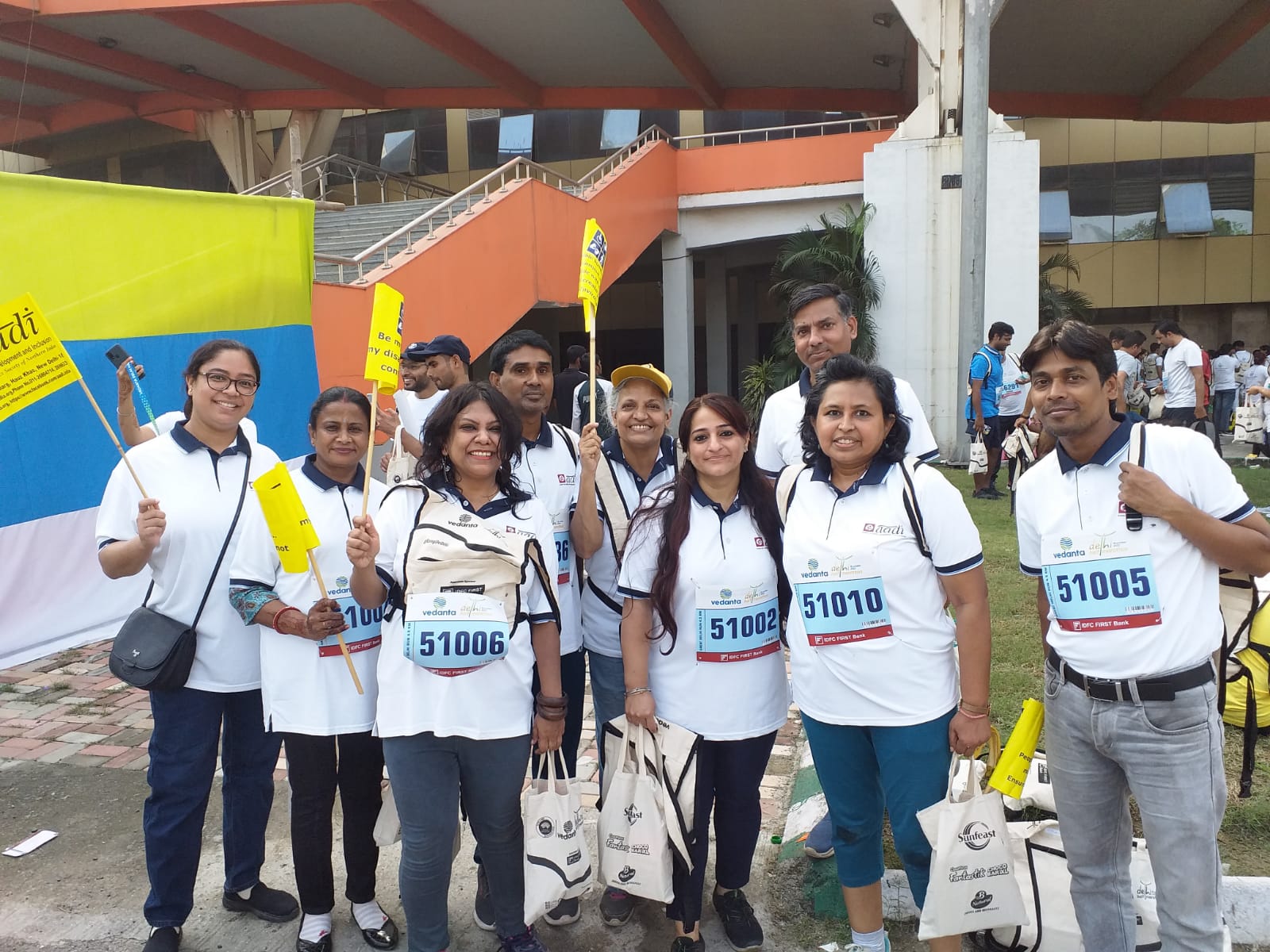
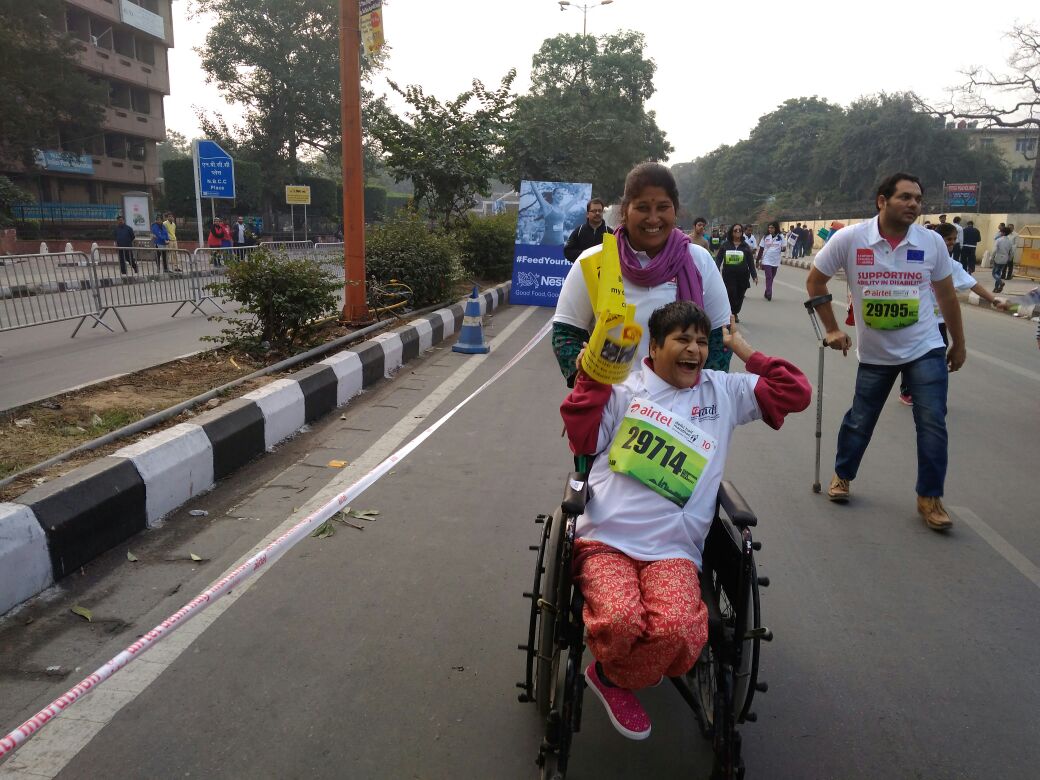
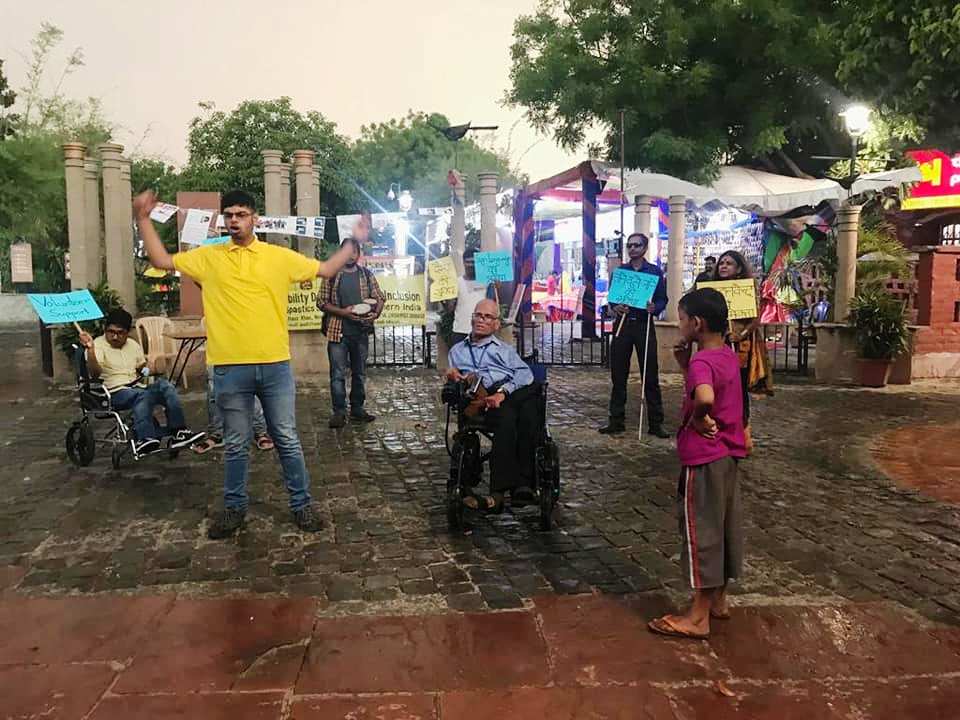
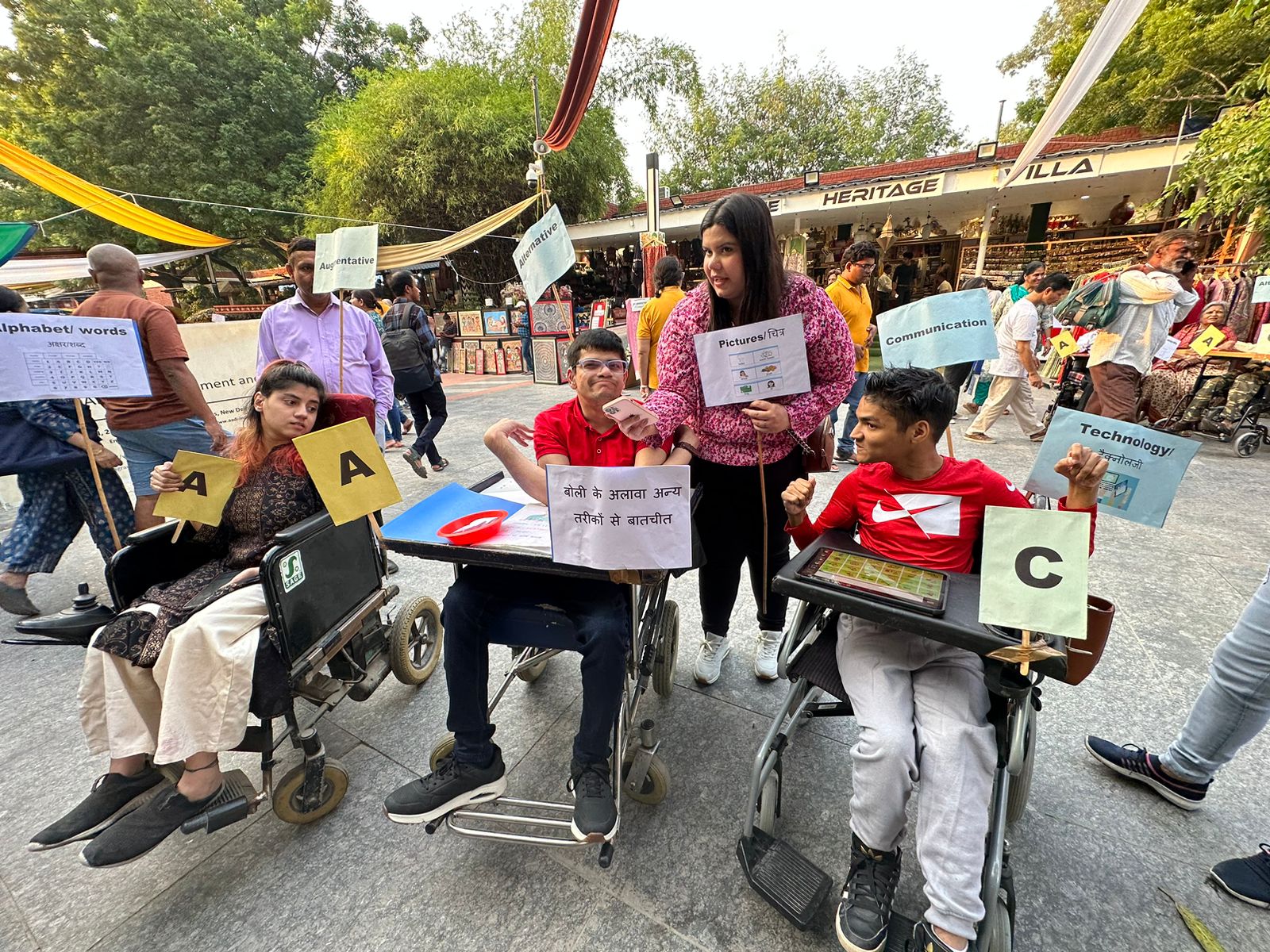
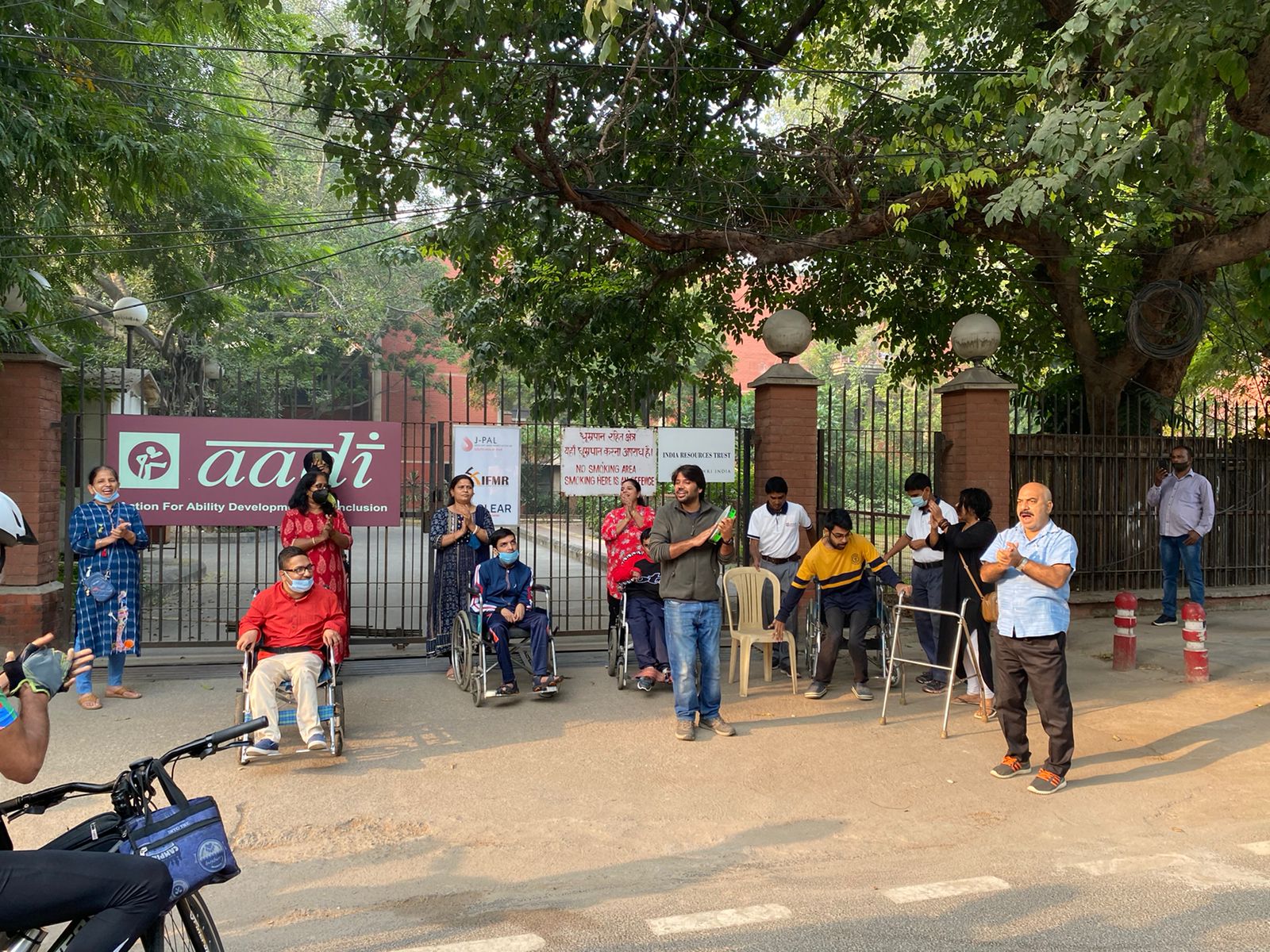
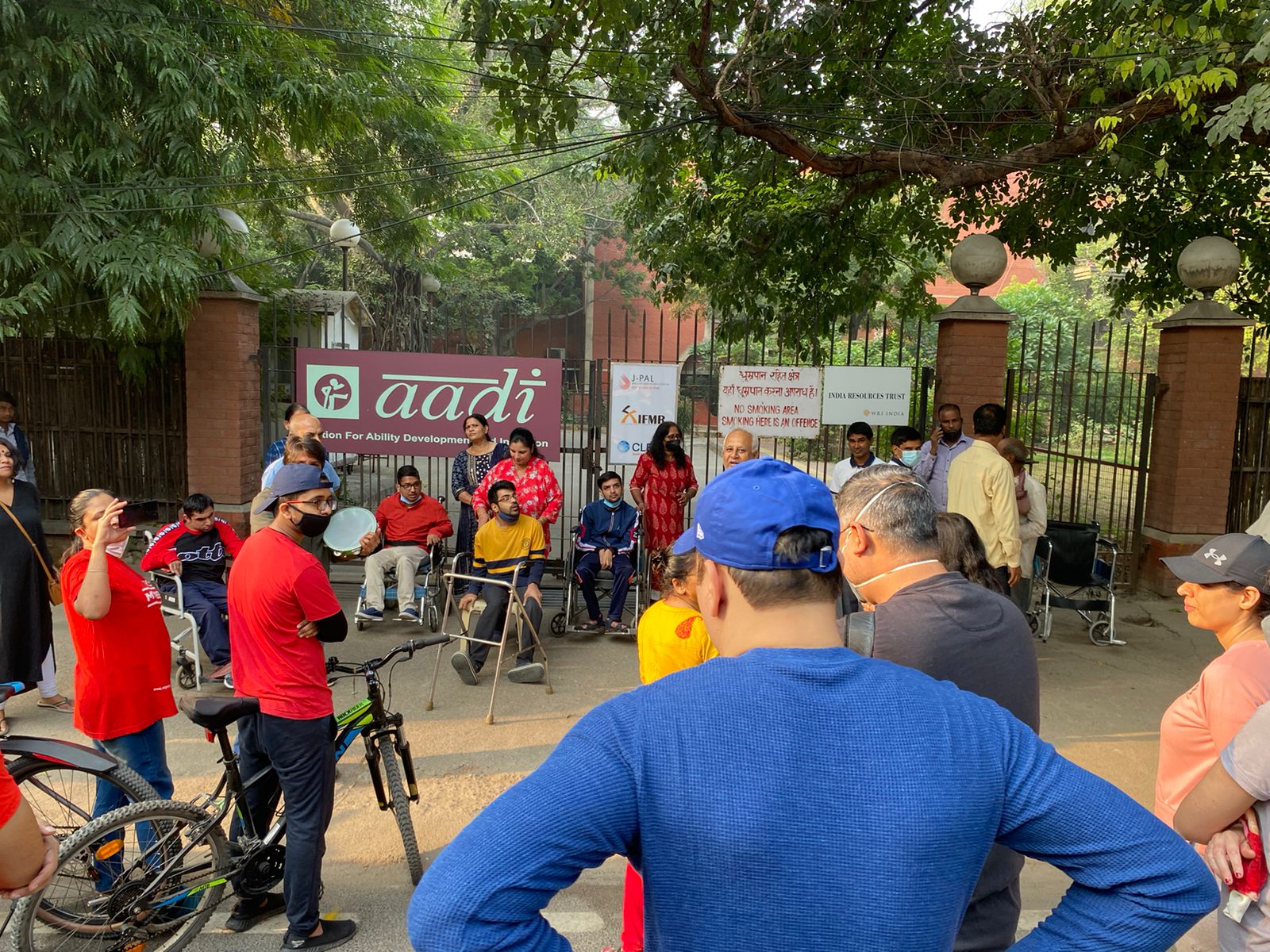
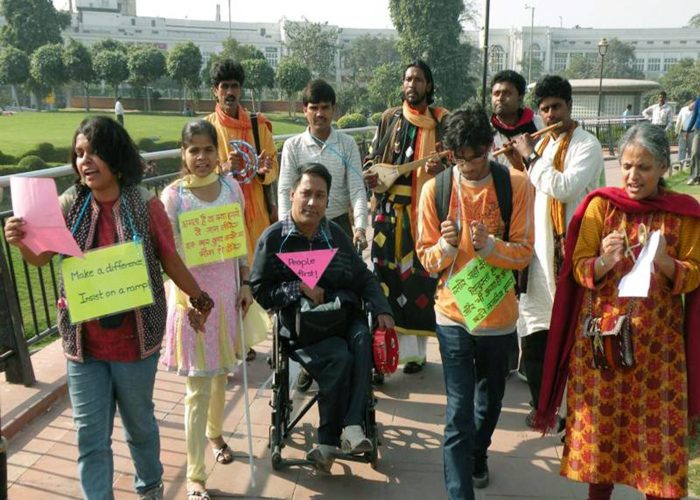
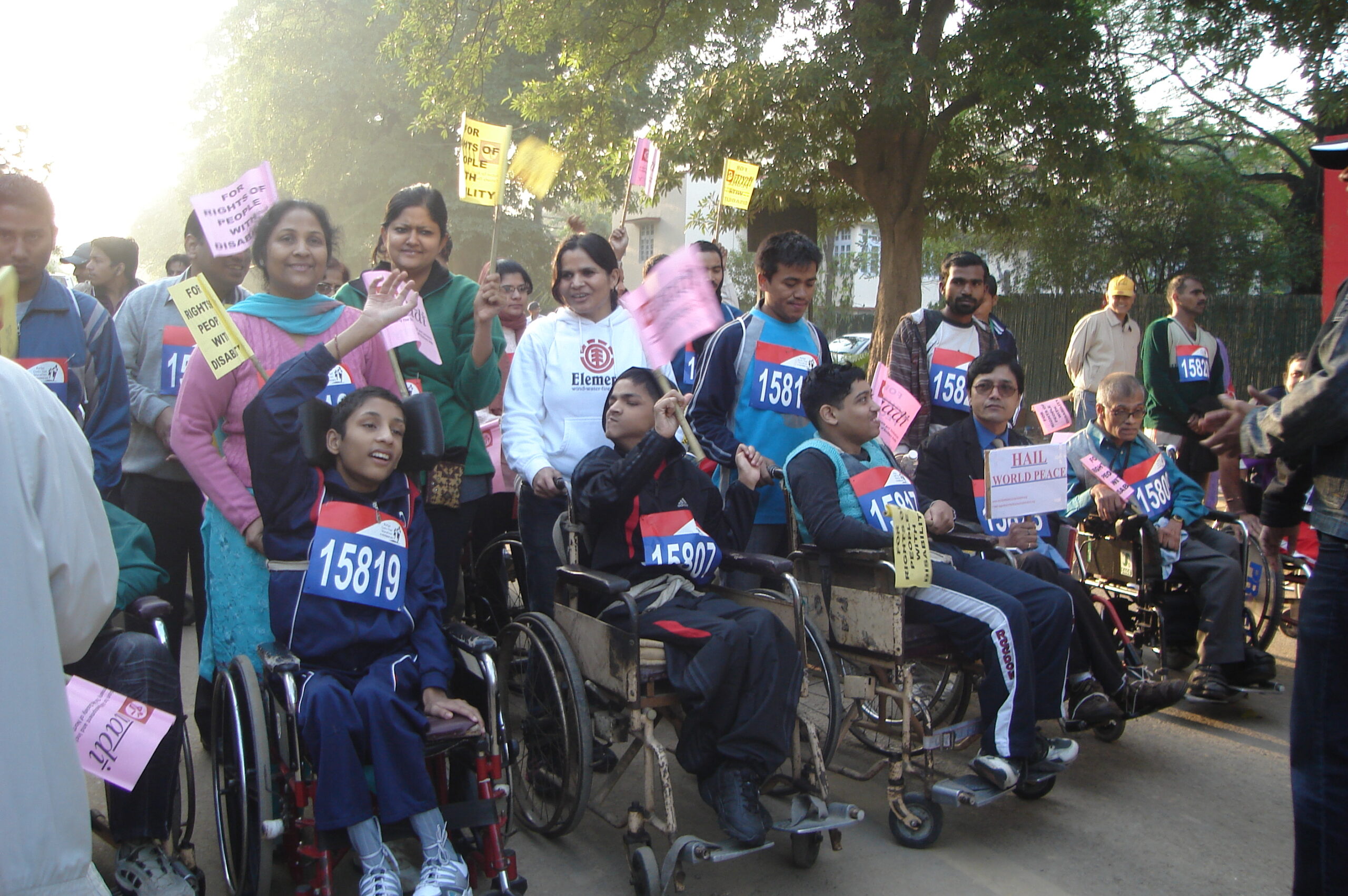
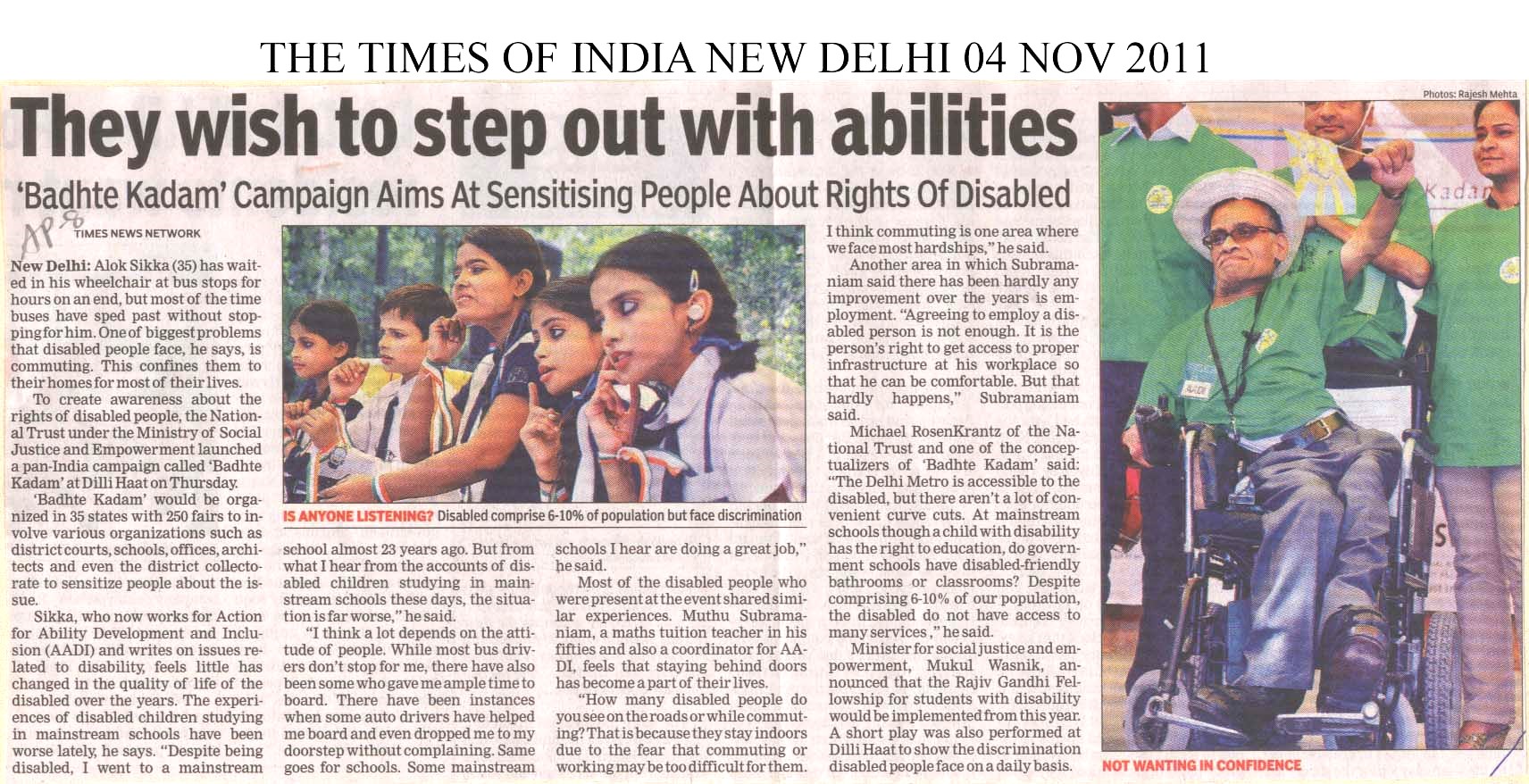
Working with communities to bring lasting social change, AADI challenges stereotypes about persons with disabilities and their lives. Persons with disabilities have led awareness campaigns, such as Badhte Kadam, utilising creative media like street plays, invisible theatre, songs, and interactive kiosks to promote inclusion.
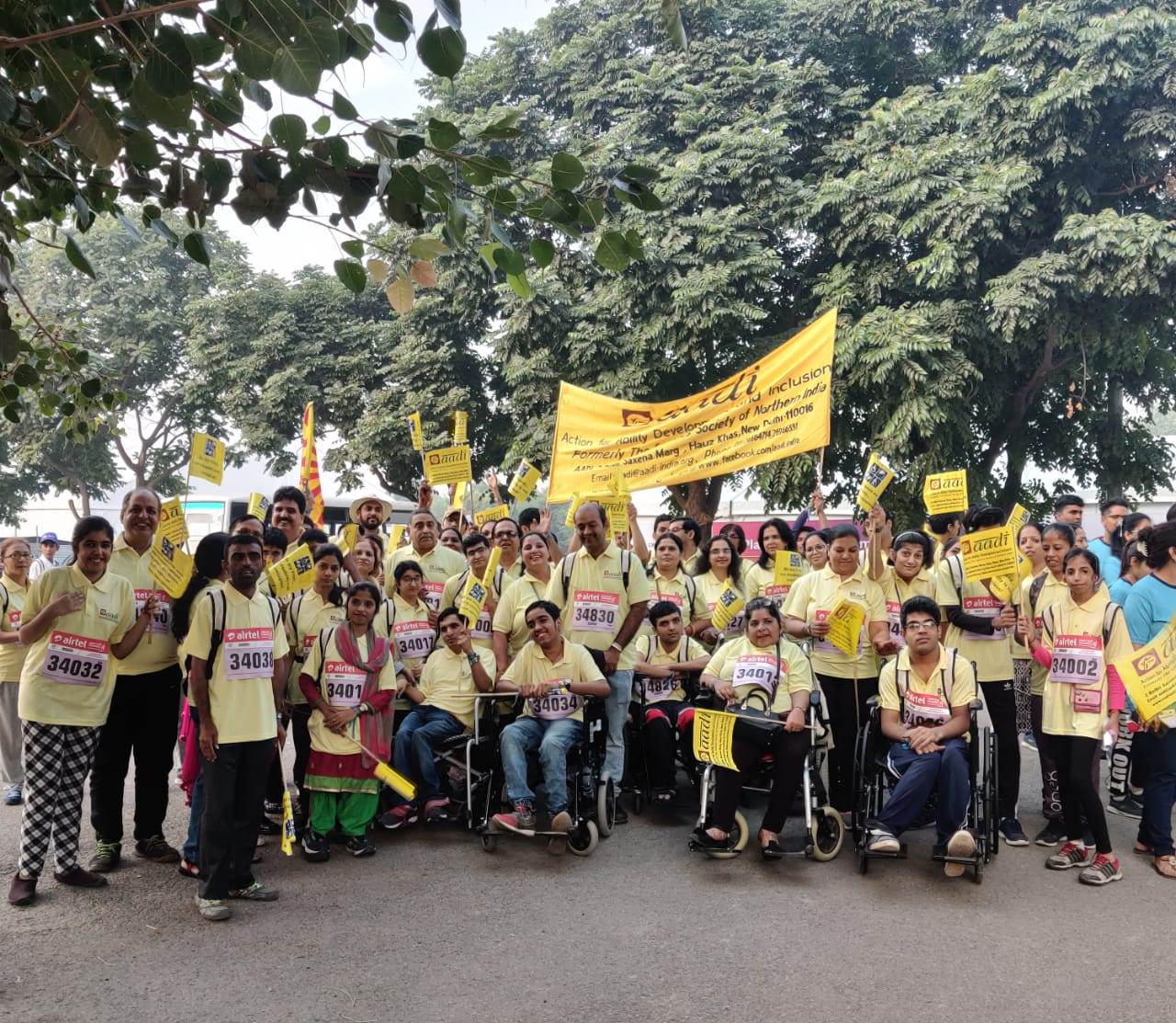
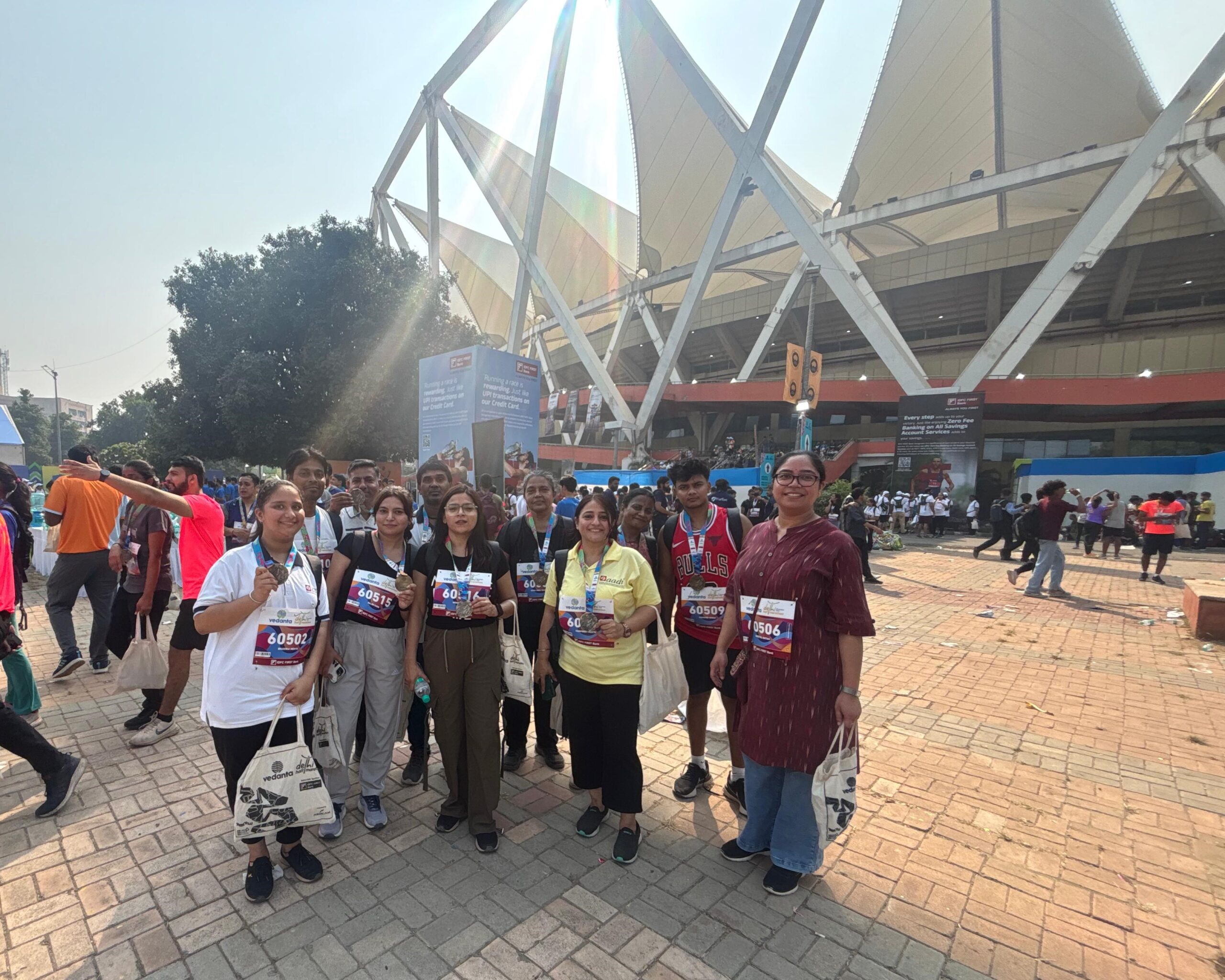
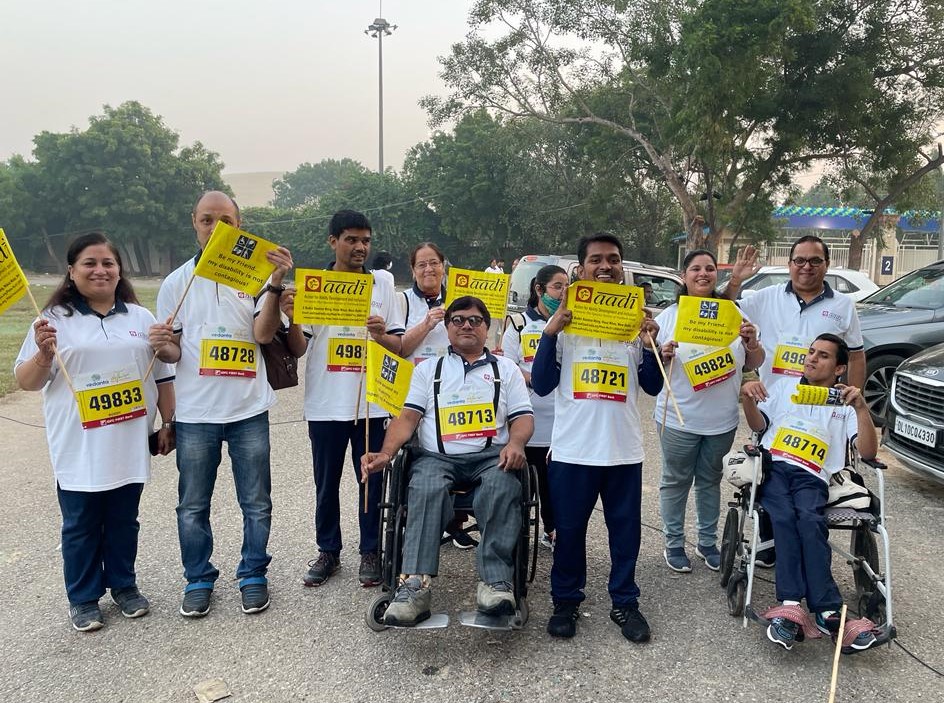
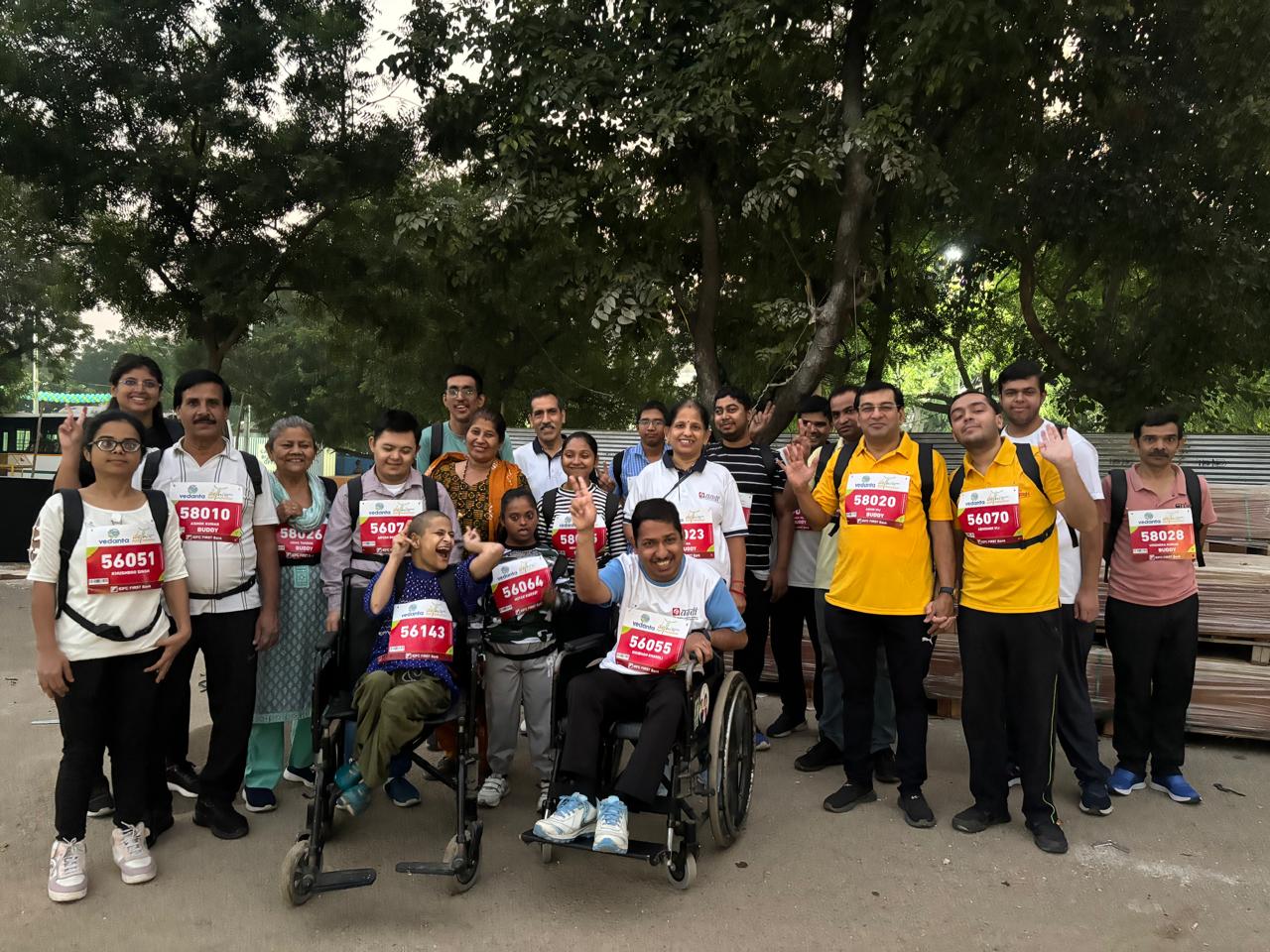
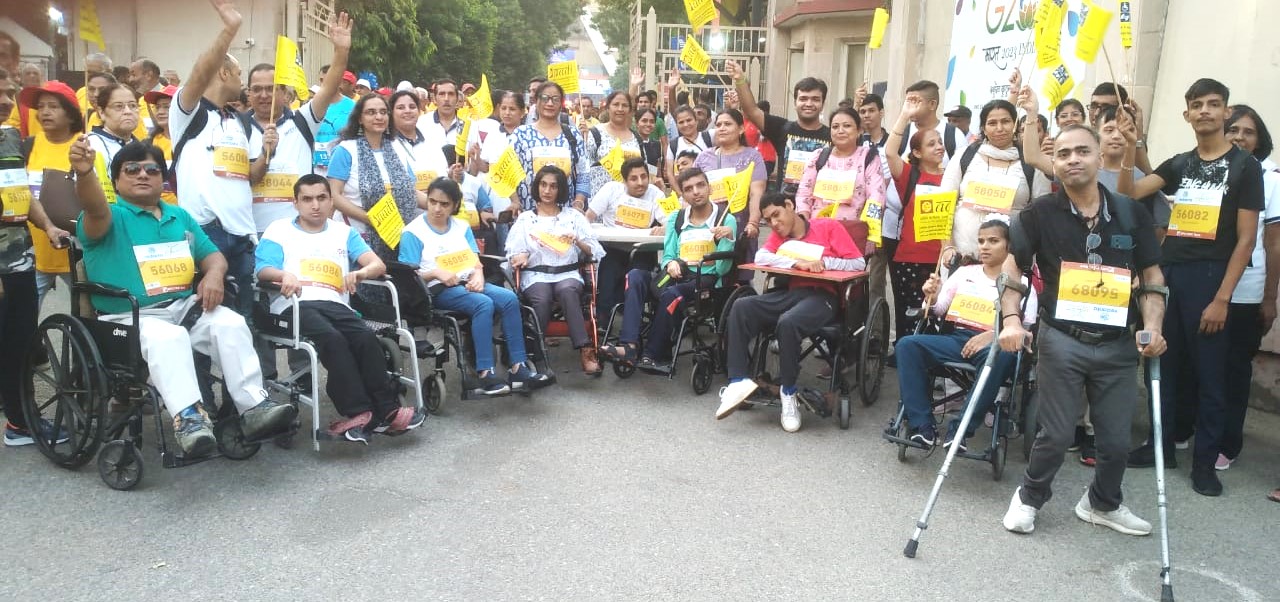
Their participation in inclusive cricket matches and the Delhi Half Marathon has demonstrated how adapting materials, innovating rules, and creating accessible playfields can make sports a meaningful pursuit for all. Engagements in talk shows, children’s quiz programs, and public debates have further amplified positive representations in mainstream media.
In 2013, AADI collaborated with the Department of Disability Affairs, Ministry of Social Justice and Empowerment, to create a Republic Day tableau on the theme Inclusion, Empowerment, and Accessibility. It reflected the vision of persons with disabilities as proud citizens with access to social security, human rights, and fundamental freedoms in an inclusive society.

Creating an Accessible Environment
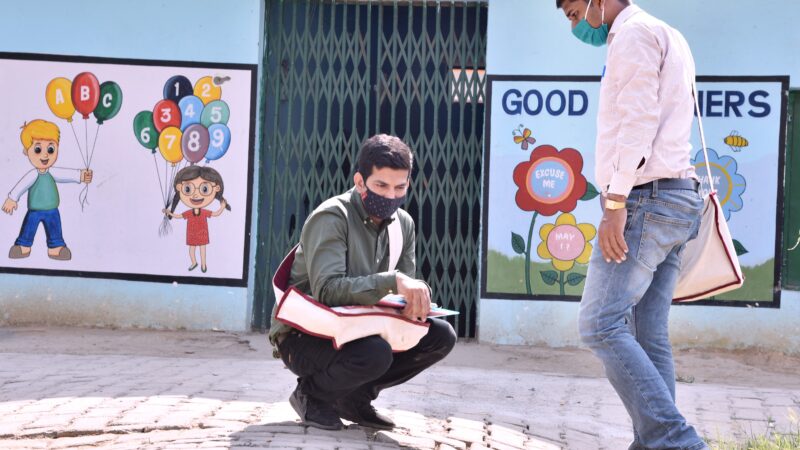
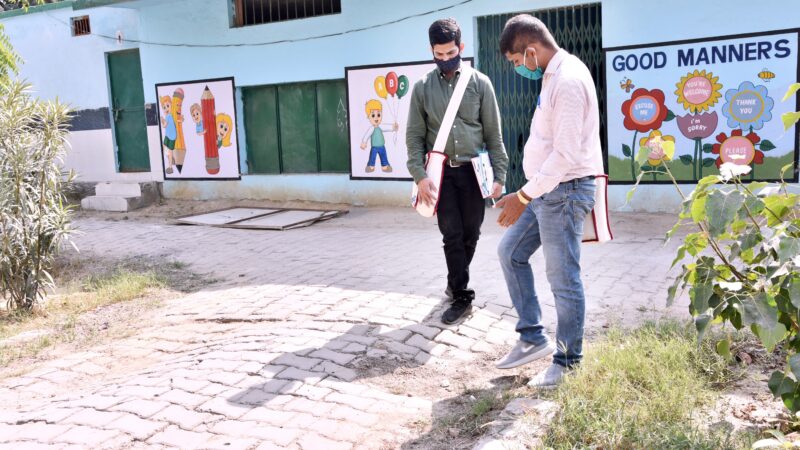
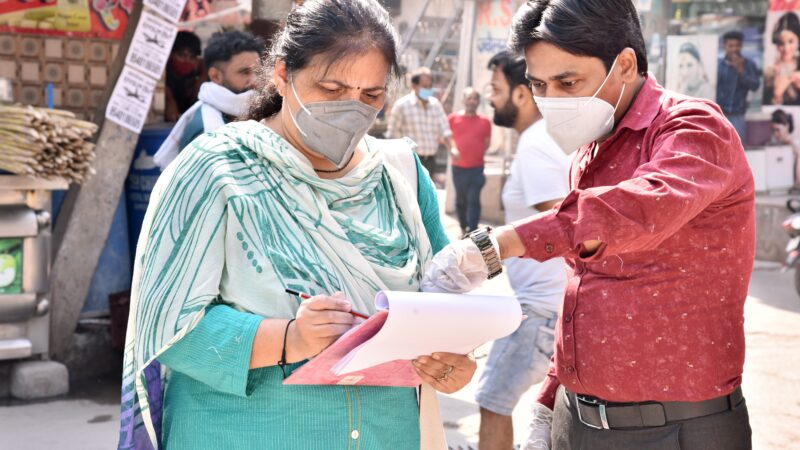
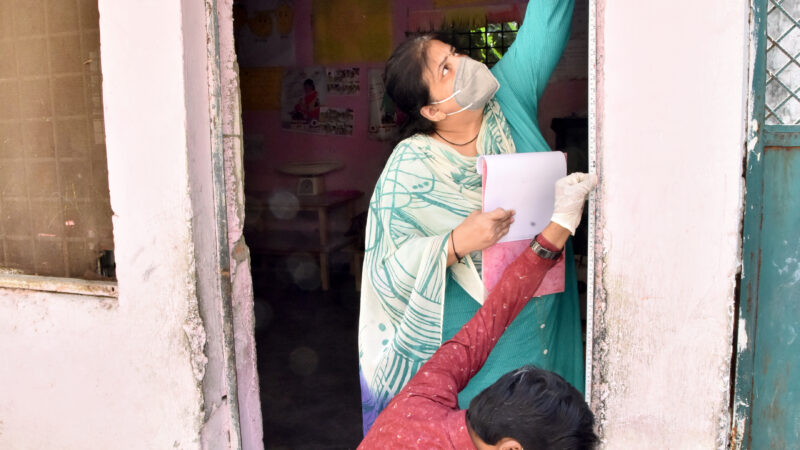
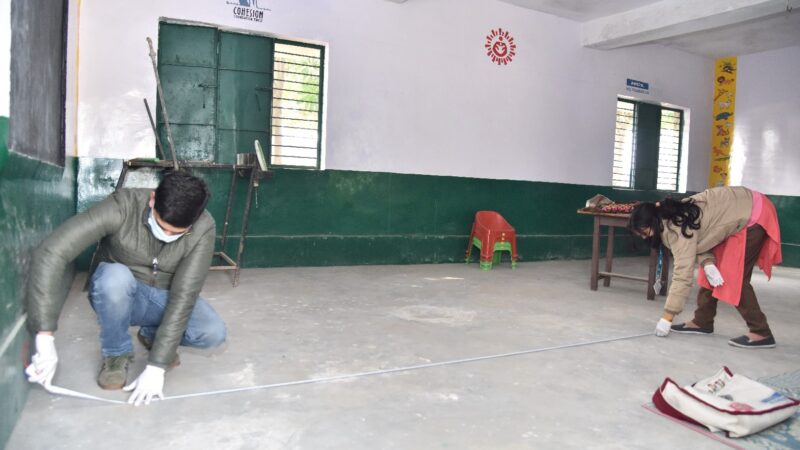
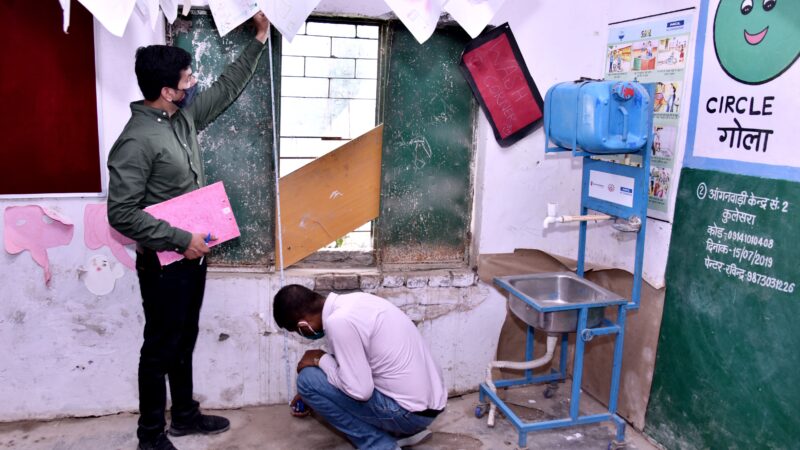
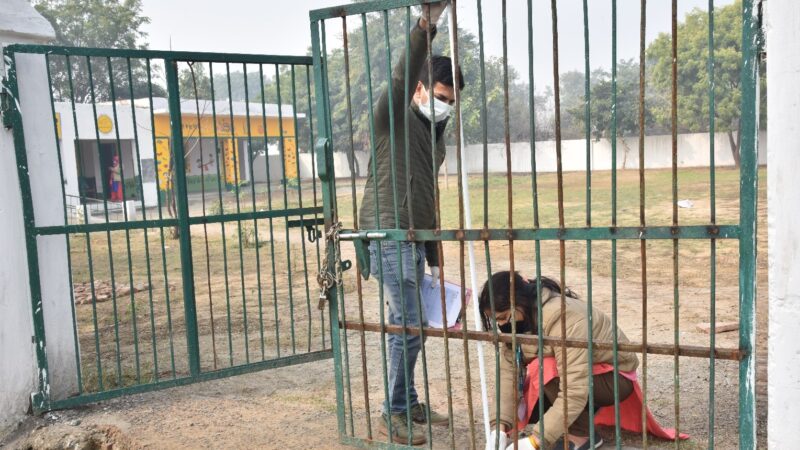
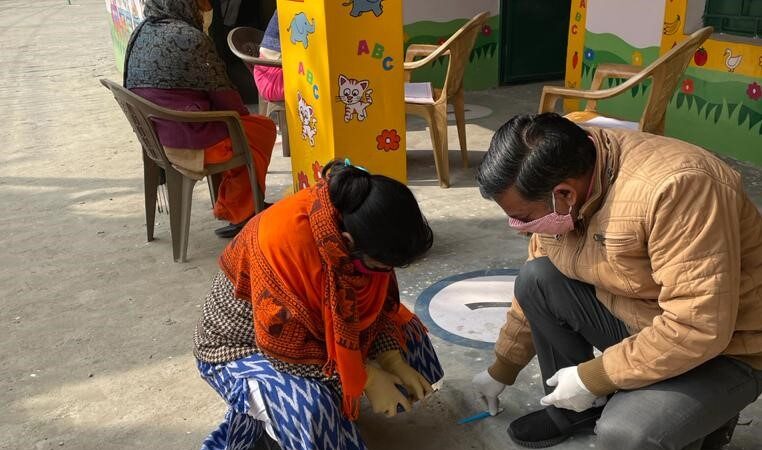
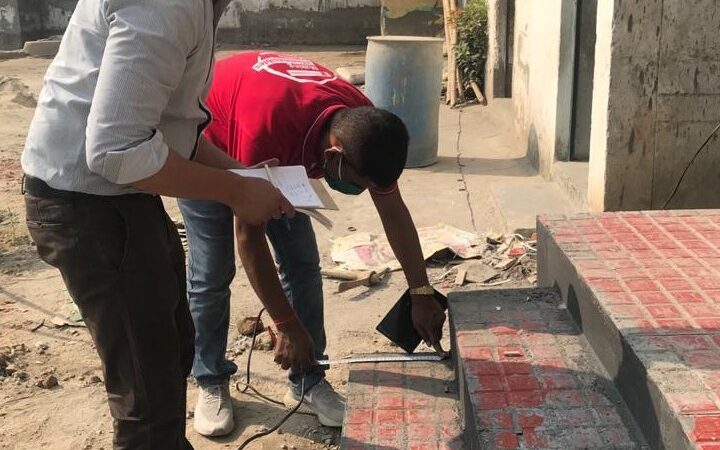
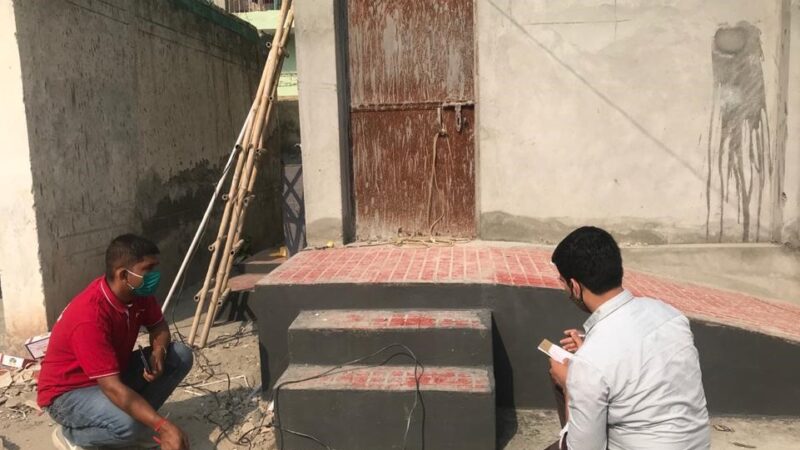
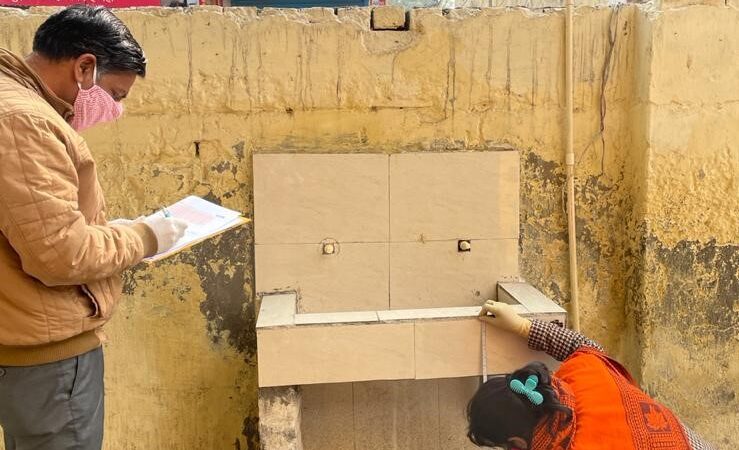
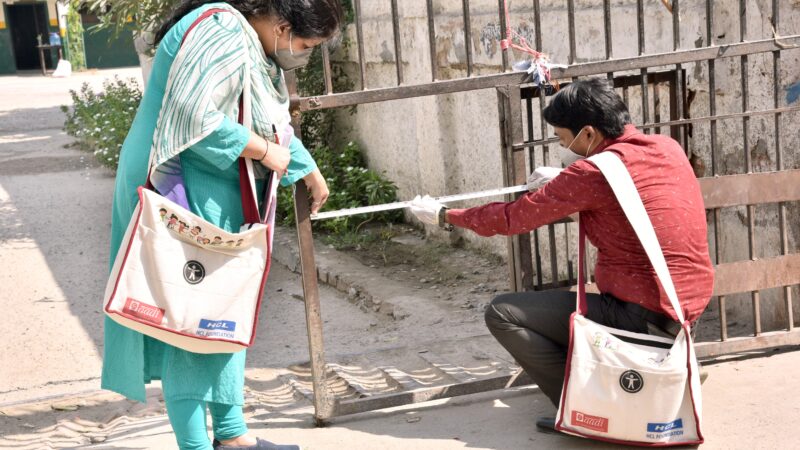
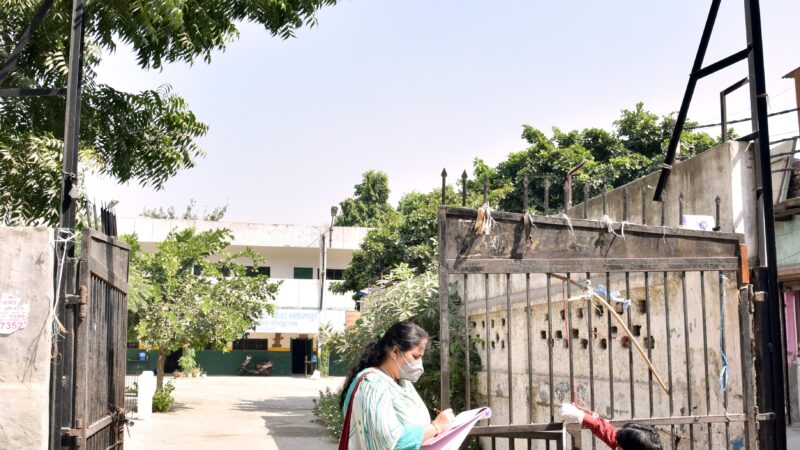
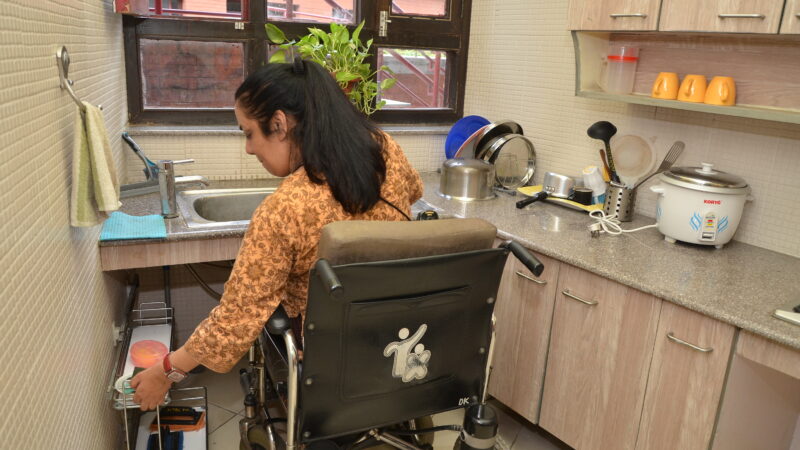
Accessibility is crucial in creating enabling environments. AADI undertakes access audits of resources in the community, such as schools, anganwadis, and railway stations, and shares recommendations with relevant service providers. We have developed access audit tools that comply with national and international guidelines. Detailed reports based on these audits help in making necessary improvements. During the COVID-19 lockdowns, AADI created accessible films using captions and sign language to educate people with disabilities about safety norms.
Contact Us for Orientation Programs On Disability Diversity And Inclusion
AADI has added nearly 700 professionals to the disability sector. Graduates from our courses have spread services across the country, with some leading organizations and becoming prominent figures in the disability sector. We also conduct short-term modules for existing professionals.
Reach out to us for exciting orientation programs on disability, diversity, and inclusion!