Knowledge Management and Resource Center
Policy and Advocacy
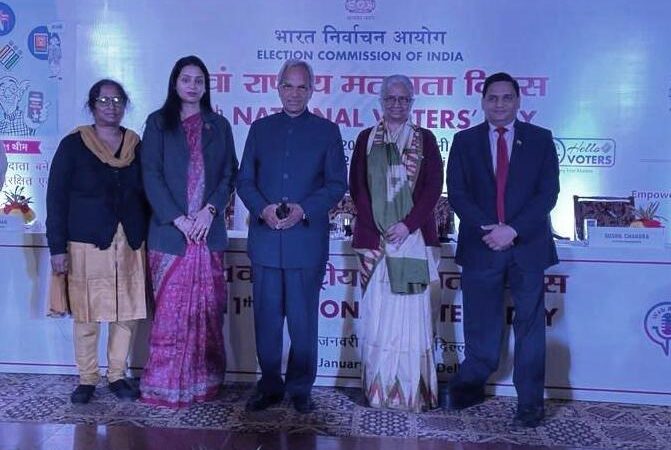
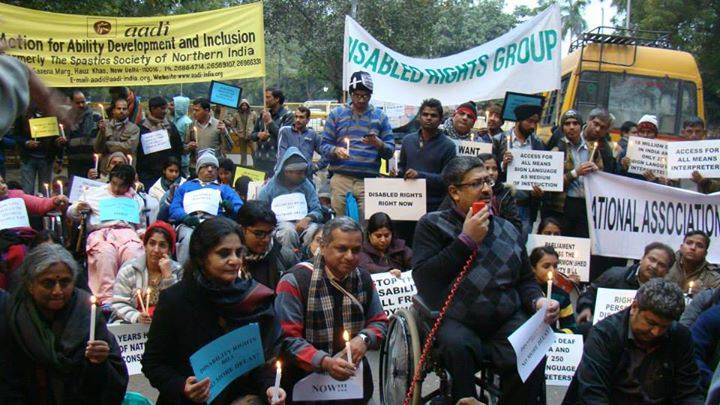
As a leader in the Disability sector, AADI has influenced law, policy, and programs, promoting the participation and inclusion of people with disabilities in every sphere of life. Over the past four decades, AADI has developed a cross-disability experience and contributed significantly to the framing of the RPWD Act 2016, the Mental Health Act 2017, methodology/tool development for Census, National Education Policy, and it has advocated on the issues of Inclusion in education, Civil Aviation, Accessibility, Legal Capacity, Human Resource Development and Accessible Elections.
Research: Creating, Collating, and Disseminating Knowledge
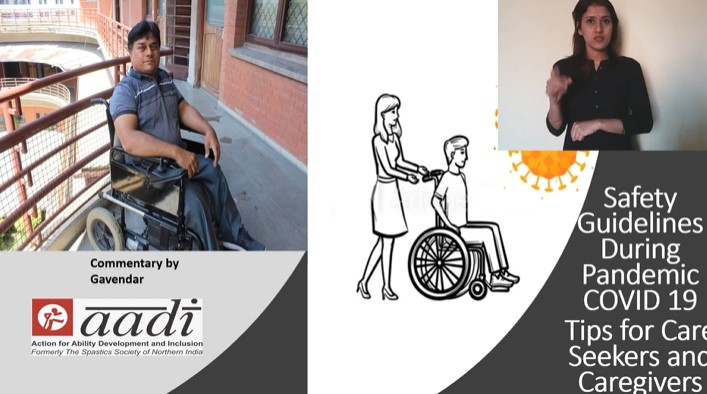
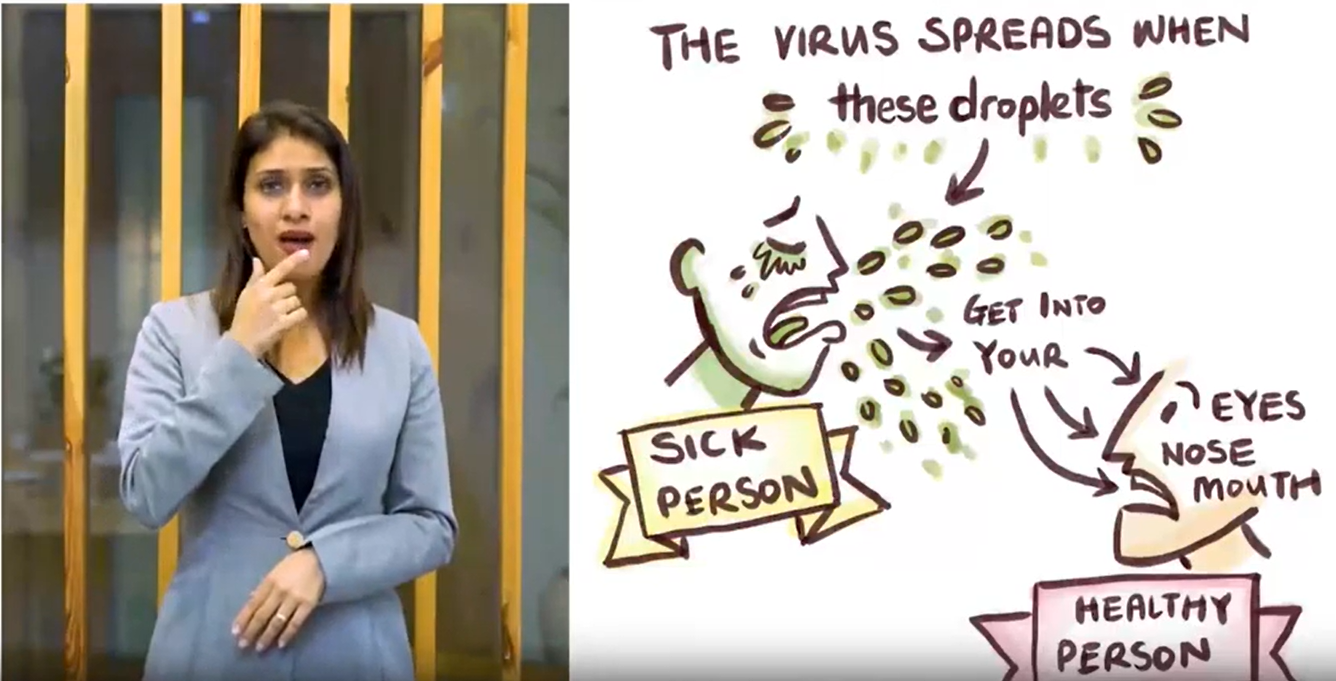
Believing that information is power and the key to better decision-making, we created and shared simplified, accessible resources on COVID-19. Two inclusive films with accessibility features were produced to guide persons with disabilities and their caregivers on safety measures during the pandemic.
Promoting Accessible Elections
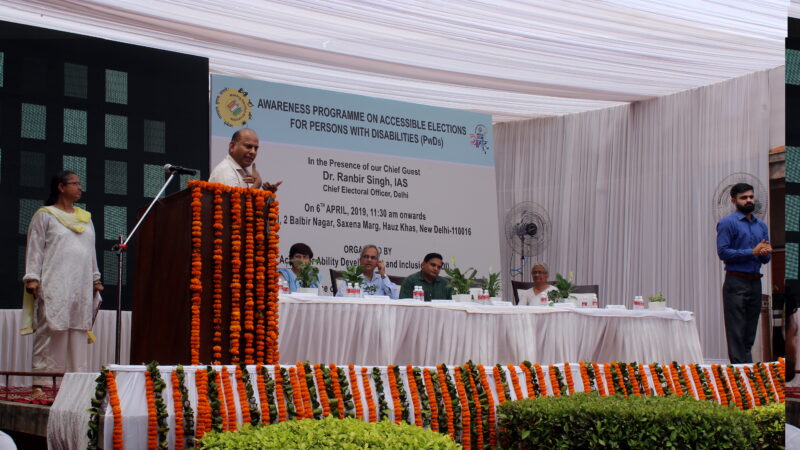
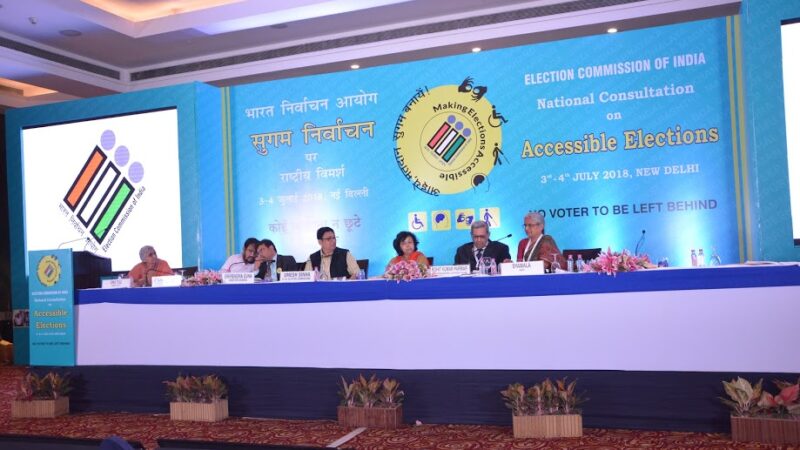
For persons with disabilities, the Right to Franchise requires a Voter ID, accessible polling booths, and sensitized election staff. AADI created accessible training materials, trained officials across NCR, and built a model accessible booth. The voting process was filmed for the Election Commission training. An election literacy song in an accessible format was also developed and shared on social media to promote inclusive elections.
Strategy Paper on Inclusive Education
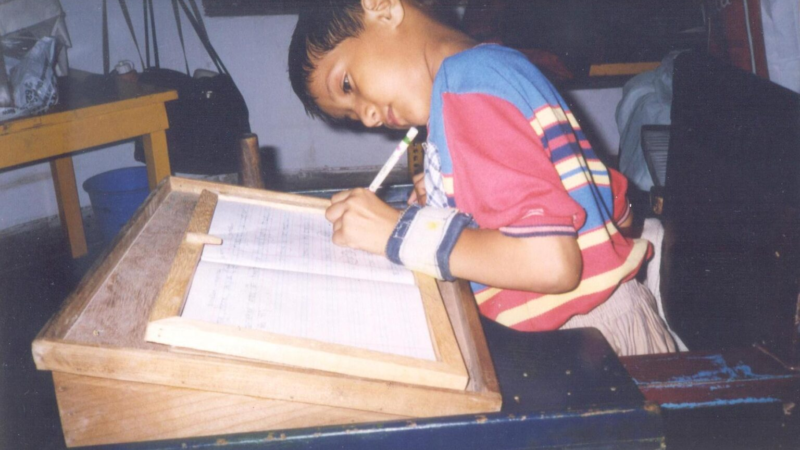
Commissioned by UNESCO, a national strategy paper on quality basic education for children with disabilities envisions inclusive education where all institutions are accessible and enabling. Learners with disabilities study alongside peers, fostering identity, autonomy, and decision-making skills. Recognized as contributing citizens, they uphold the values of justice, equality, and dignity, becoming integral to learning environments that empower every student.
Promoting Inclusive Anganwadis
NEP 2020 calls for including children with disabilities in Anganwadi and preschool settings. To drive change at the community level, AADI, in partnership with HCLF and NiPPCED, developed tools to audit physical and learning environments, trained Anganwadi workers, and created accessible teaching-learning materials (TLMs). These efforts have been instrumental in making Anganwadis more inclusive and supportive for all children.
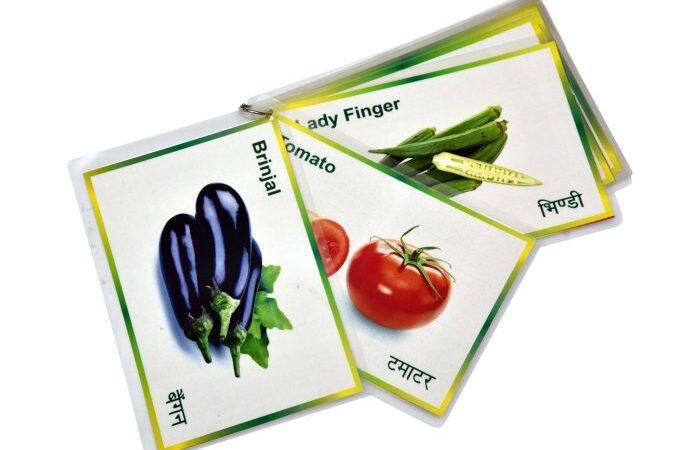
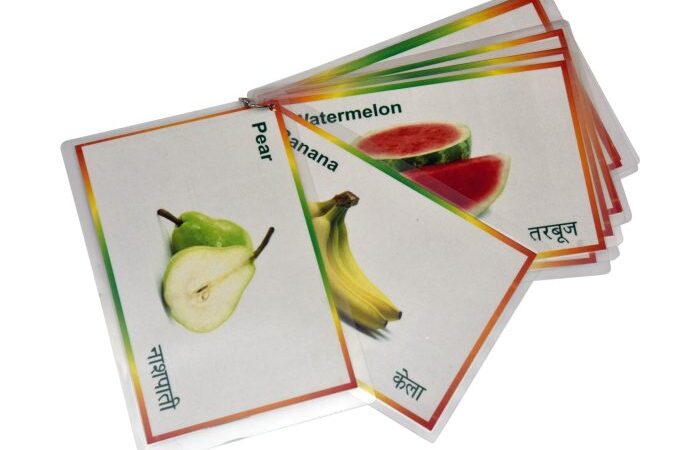
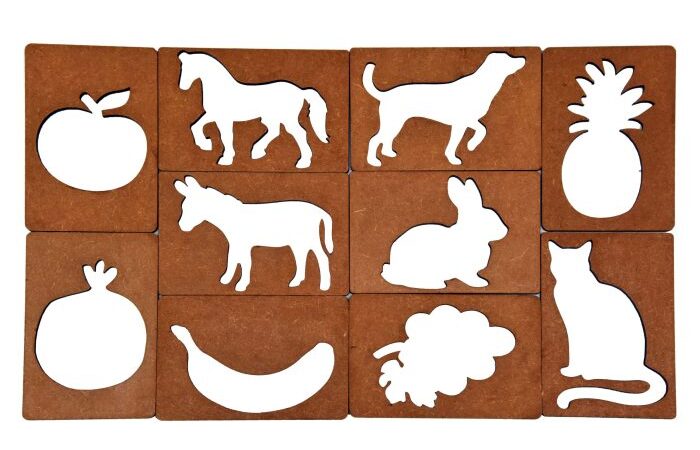
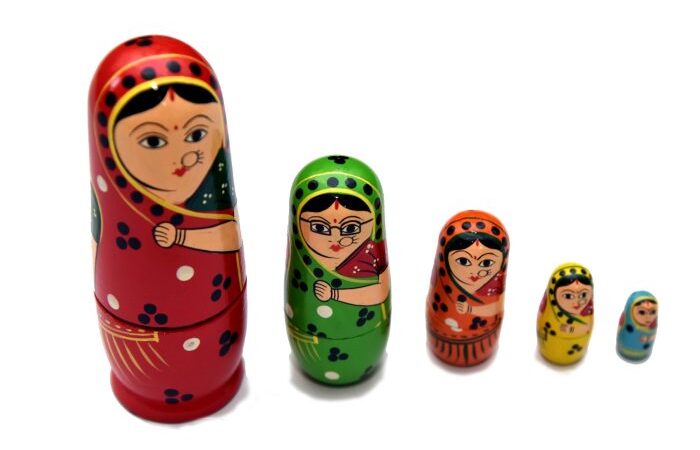
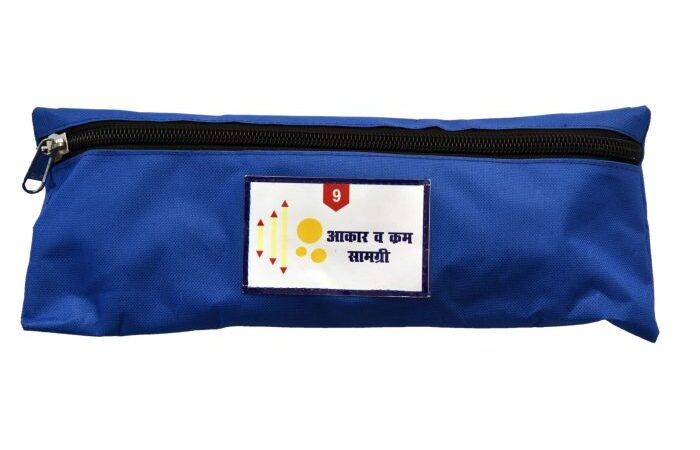

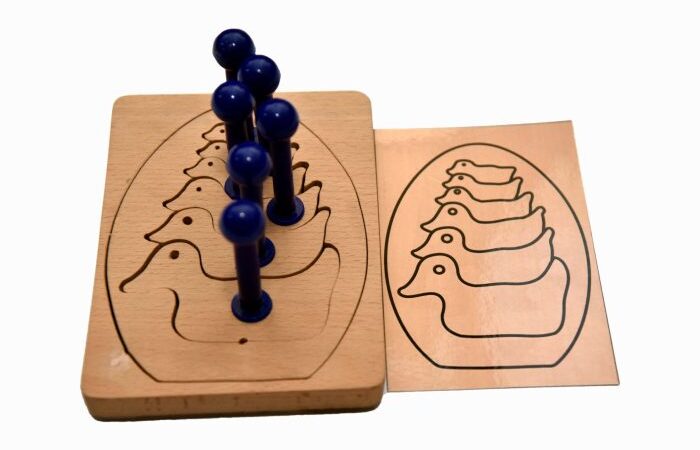
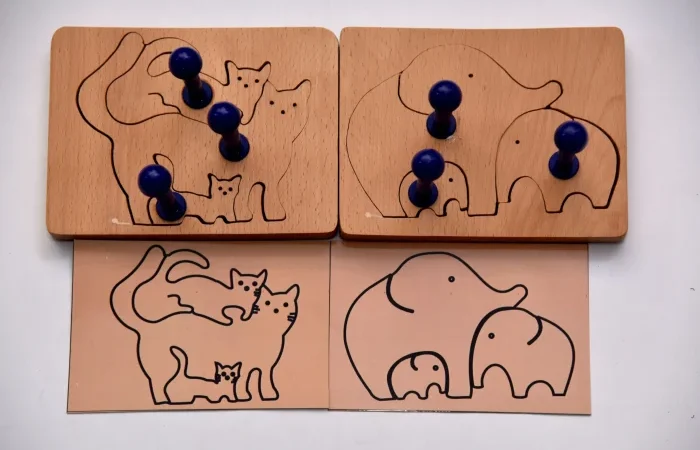
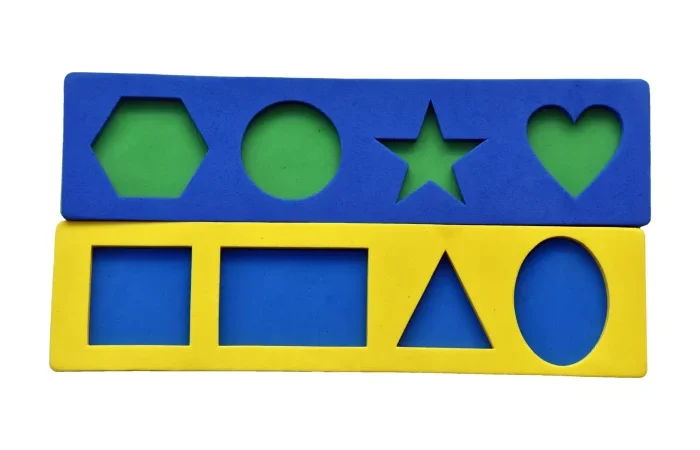
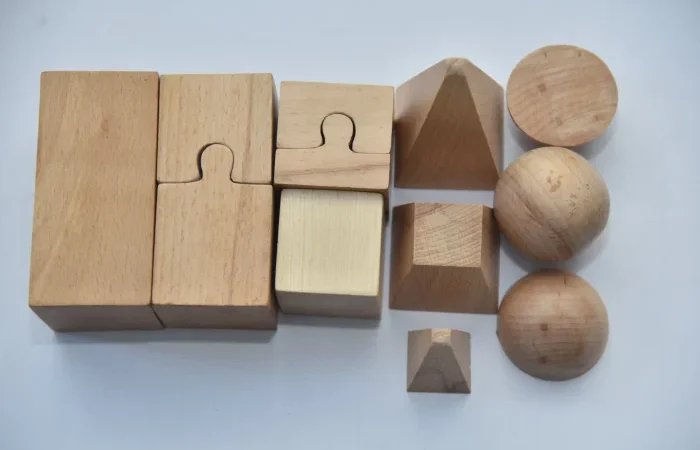
Accessible Teaching-Learning Material
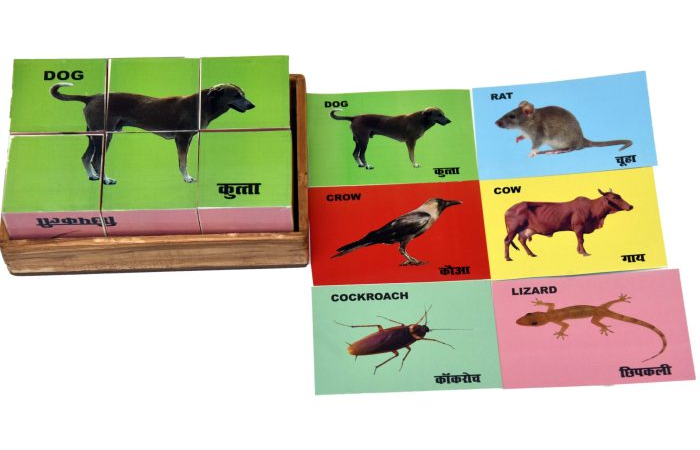
AADI recognized the need for accessible Teaching-Learning Materials (TLMs) to foster acceptance, respect for diversity, and inclusion. We developed a range of TLMs, along with a manual for their use, which now form a core resource in training teachers for Inclusive Education.
User-Friendly Information on Local Provisions
AADI has created 11 thematic booklets to raise awareness about critical resources in rural communities, covering topics like citizenship, education, health, social justice, and women’s empowerment
Experiential Knowledge
AADI has produced a series of radio talks and short films on cerebral palsy and life stories of people with disabilities. These broadcasts aim to share experiences and raise awareness.
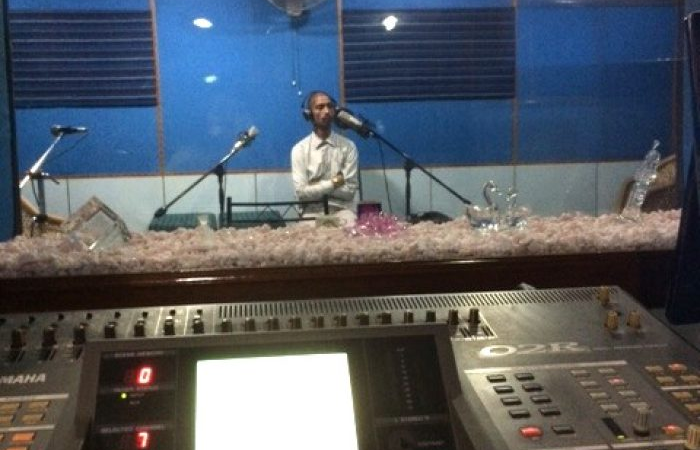
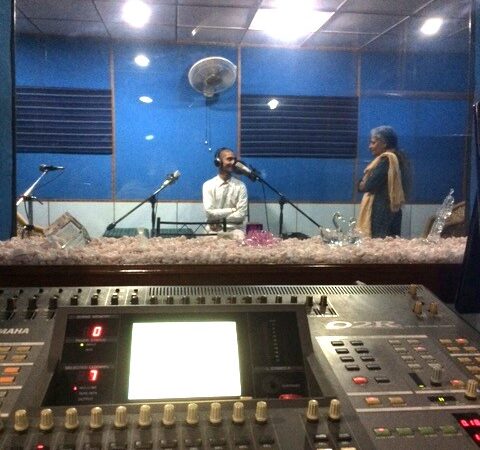
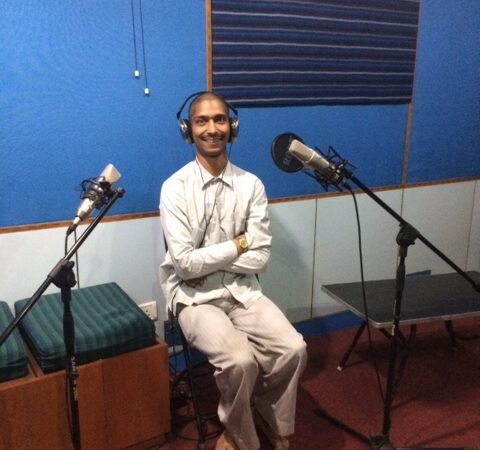
Radio Talks
Cultural Hub
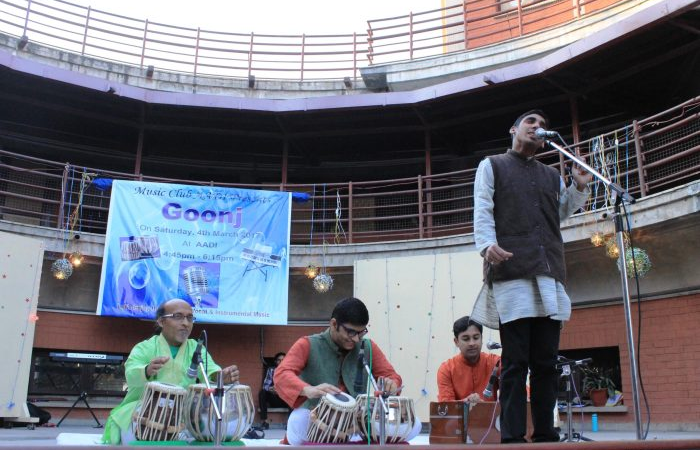
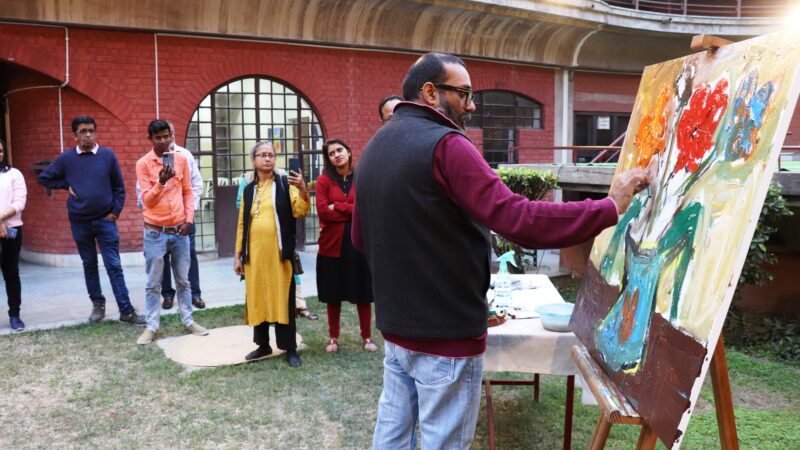
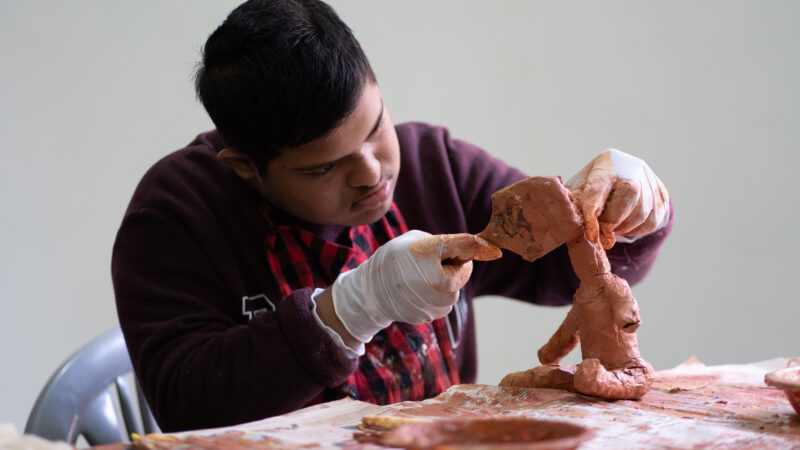
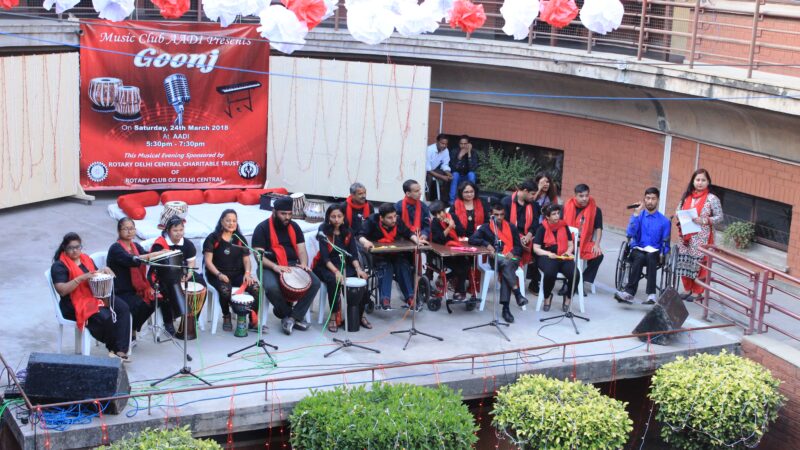
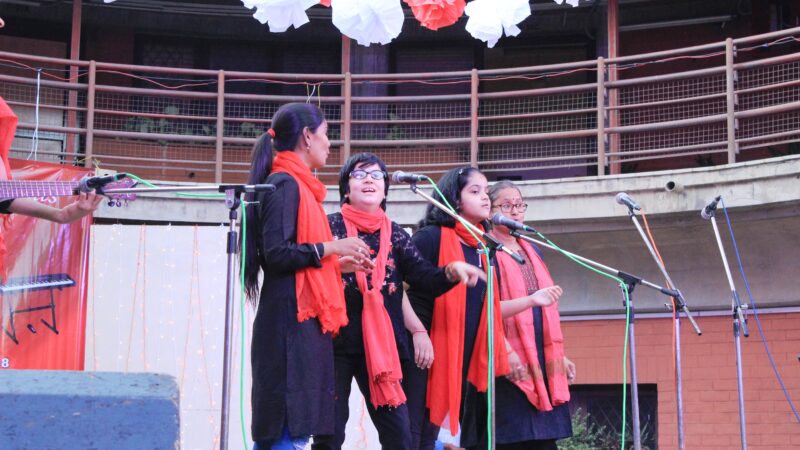
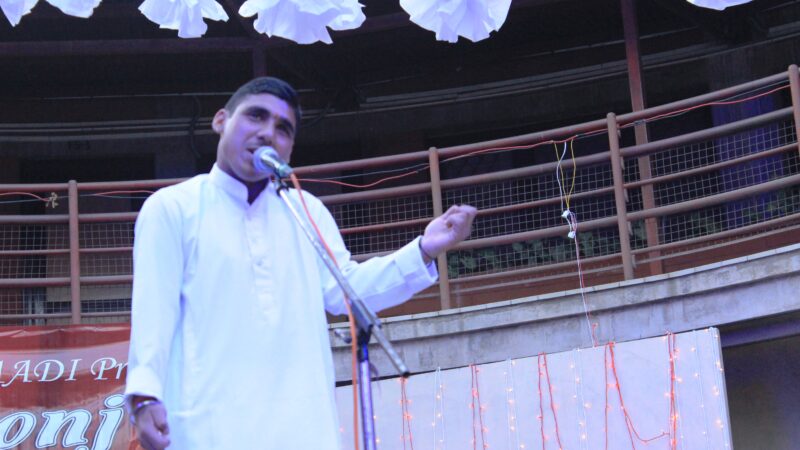
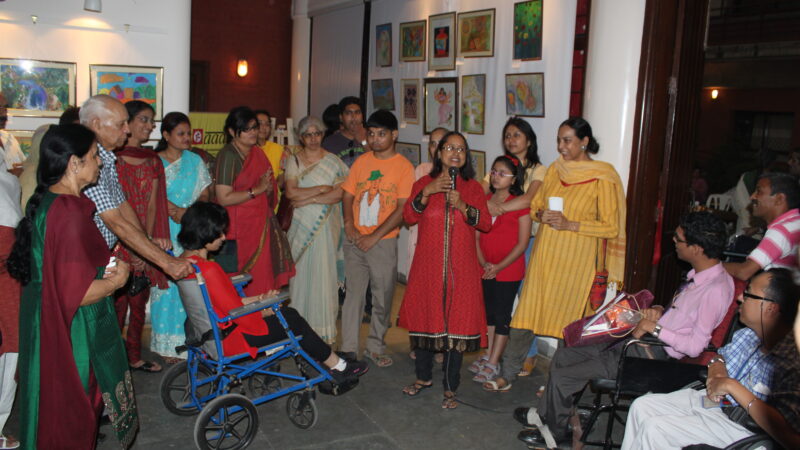
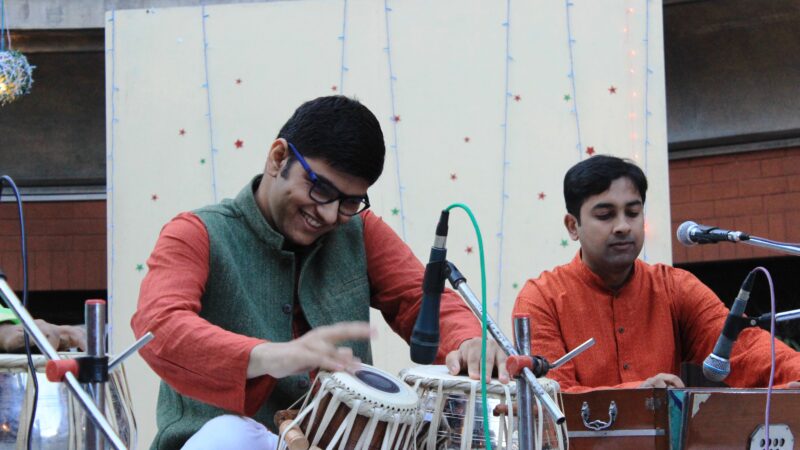
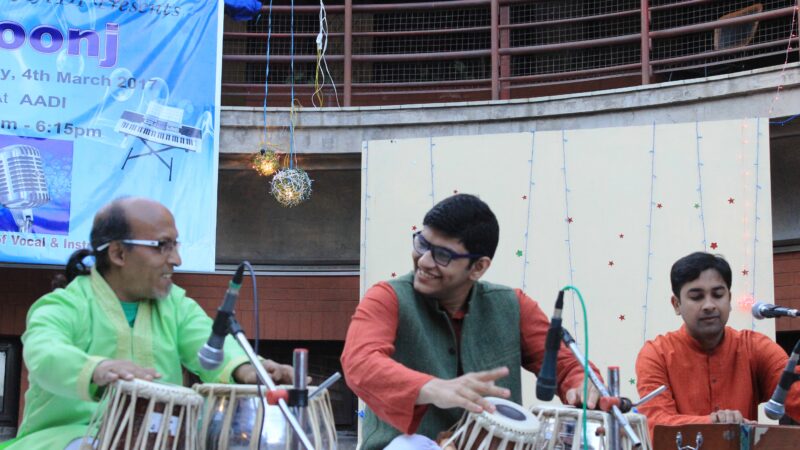
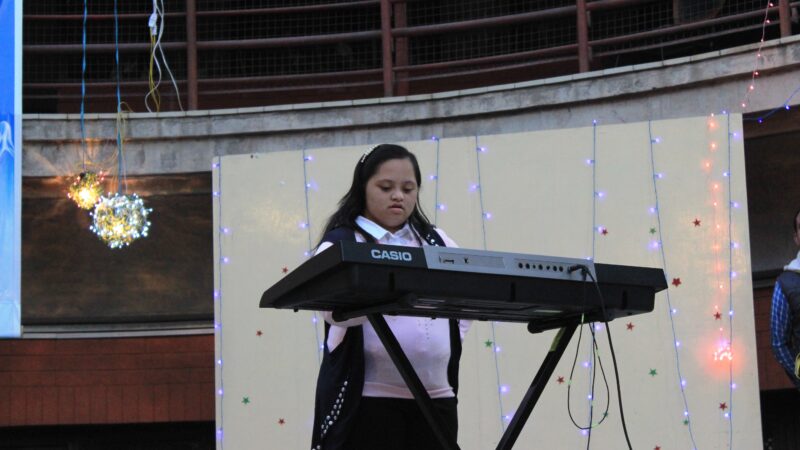
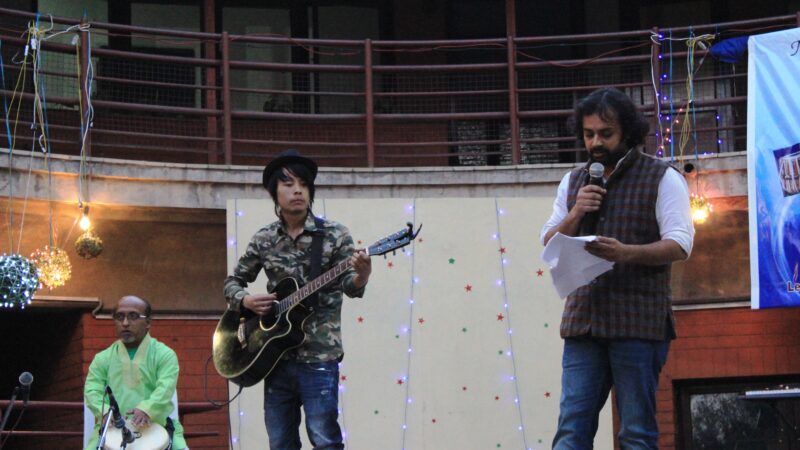
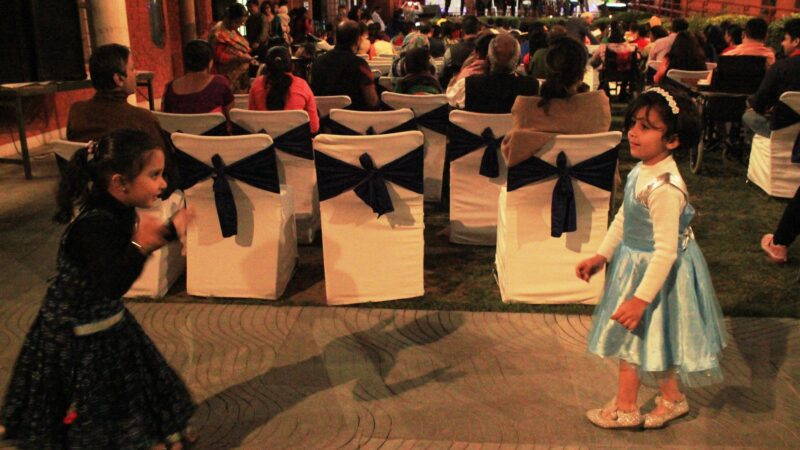
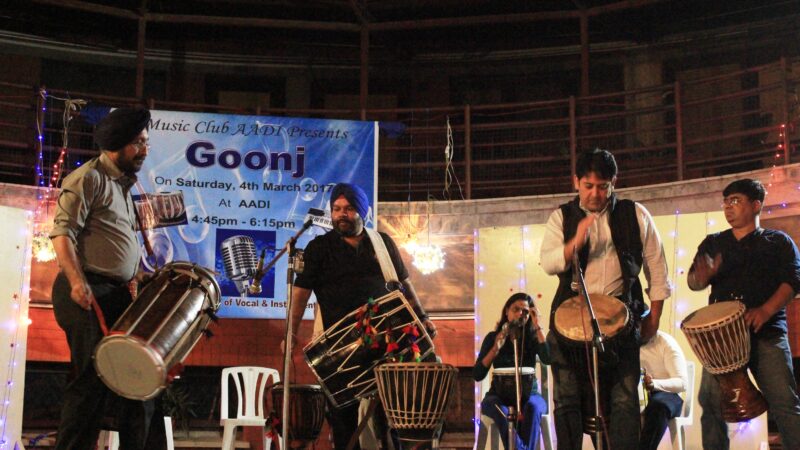
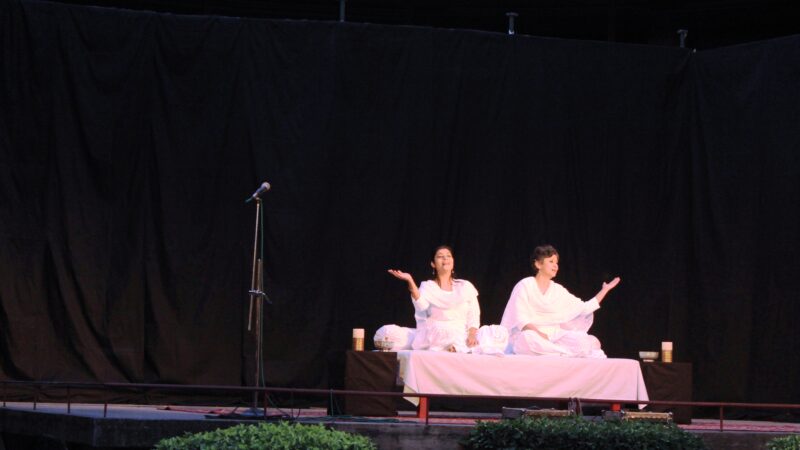
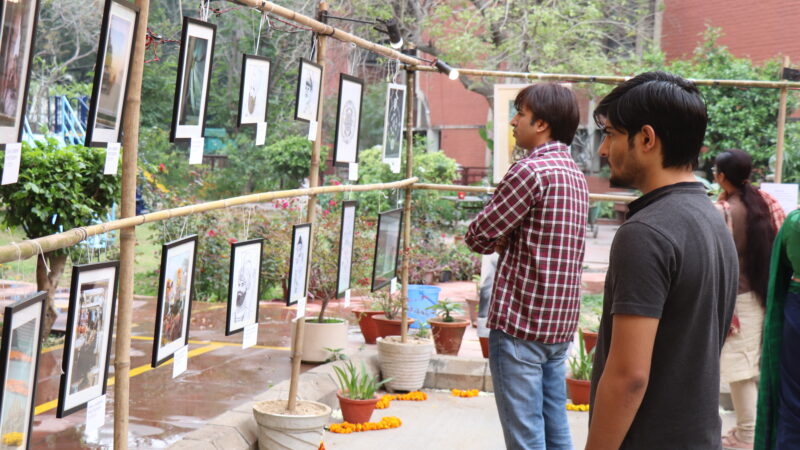
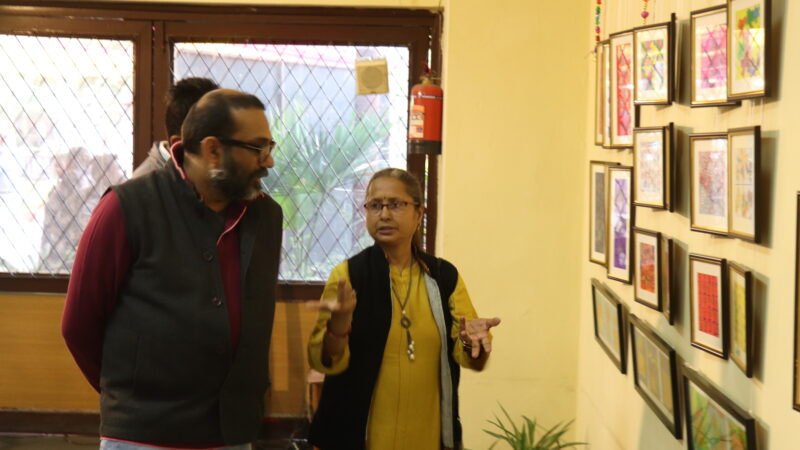
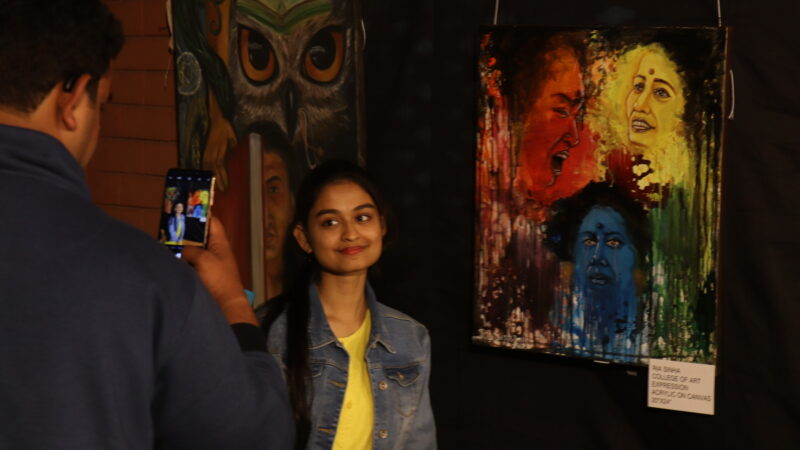
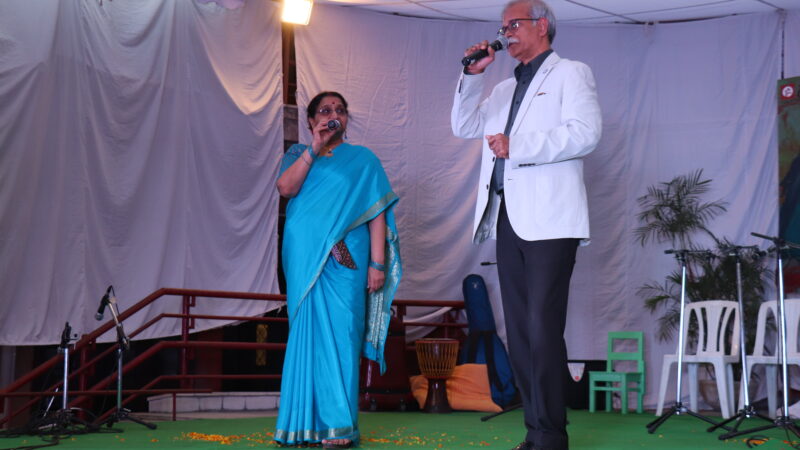
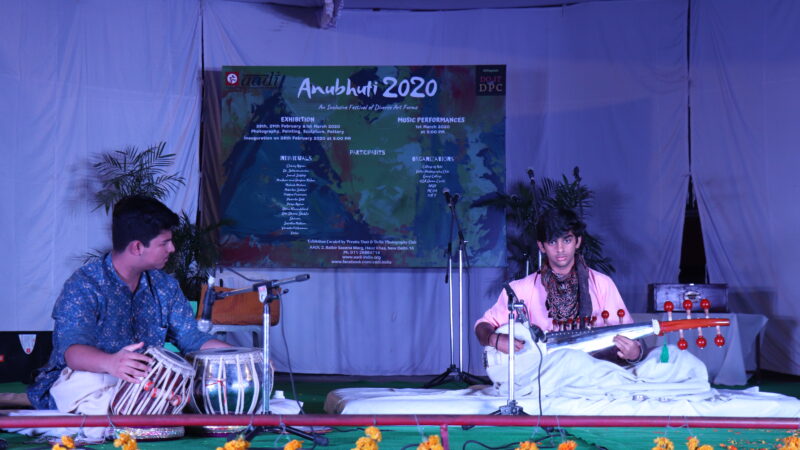
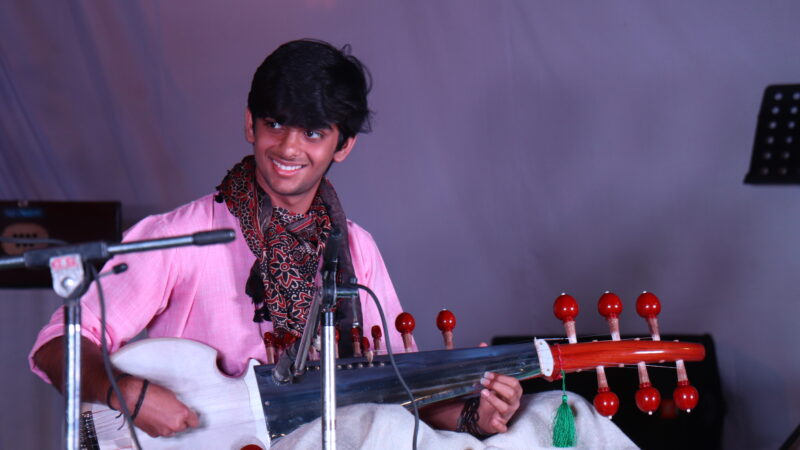
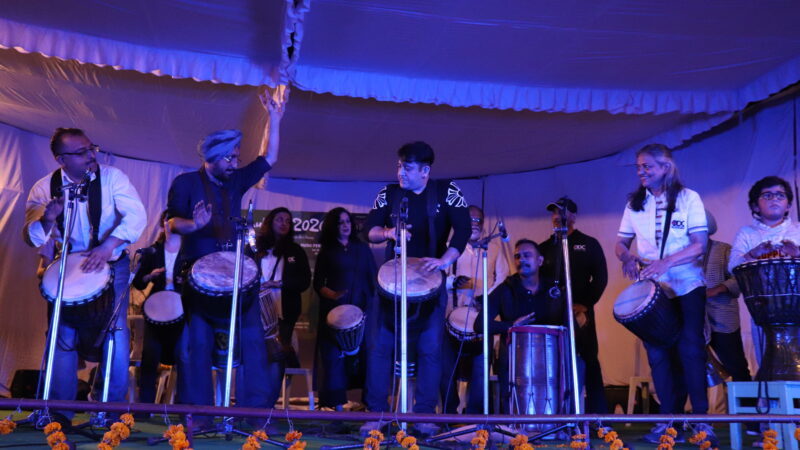
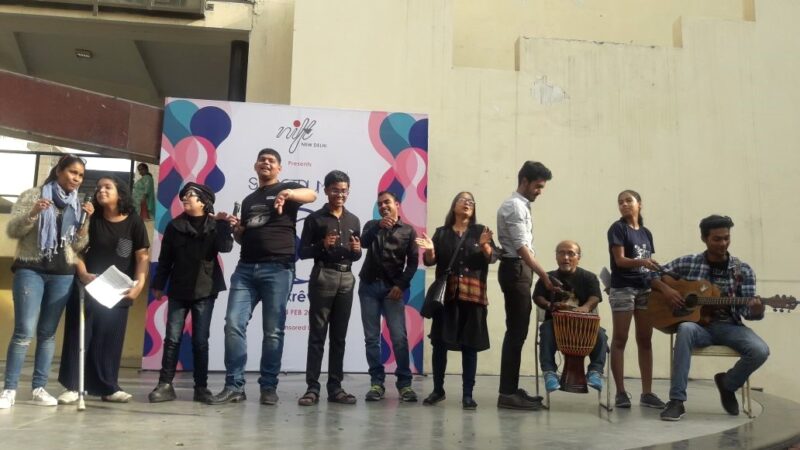
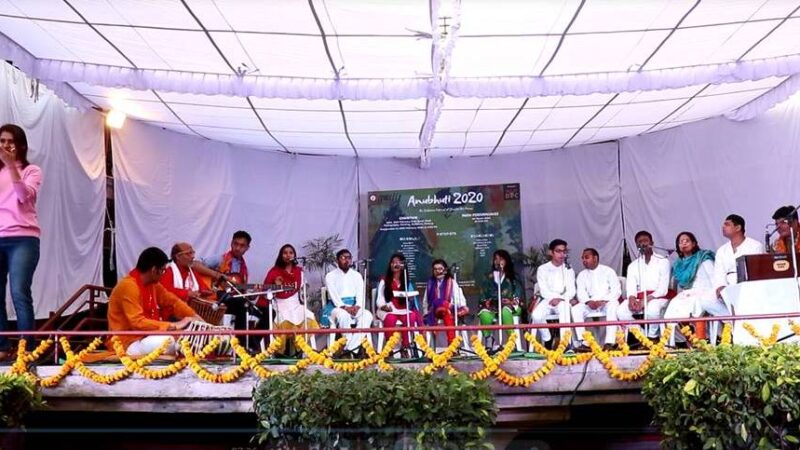
AADI envisions a cultural hub where people with disabilities actively participate in art, theatre, music, and inclusive events, creating a safe, engaging space for all ages. Through exhibitions, collaborations, and accessible performances, the hub showcases talent, fosters socialization, sensitizes communities, and celebrates vibrant disability culture, promoting awareness and validating lived experiences across India.
Key Initiatives
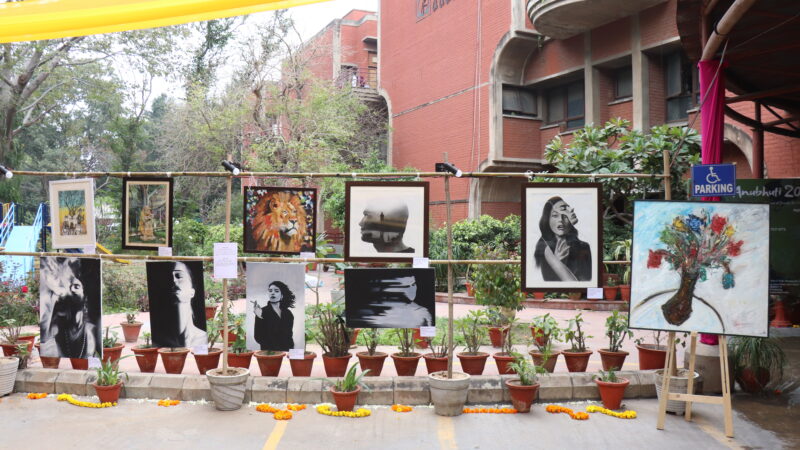
Inclusive Art Gallery
- Exhibitions: Curated collaborations with artists, Delhi College of Art, and Delhi Photography Club have been held, featuring works by artists with and without disabilities.
- Accessibility: The gallery is designed to be fully accessible, including tactile guides and audio descriptions to ensure everyone can experience the art.
Music and Theatre Events
- Inclusive Performances: Regular music events and theatre performances with sign language interpreters and other accessibility features.
- Community Engagement: Events are open to the public, encouraging community participation and appreciation of diverse talents.
Workshops and Seminars
- Skill Development: Conducting workshops on art, music, and theatre, specifically designed to include people with disabilities.
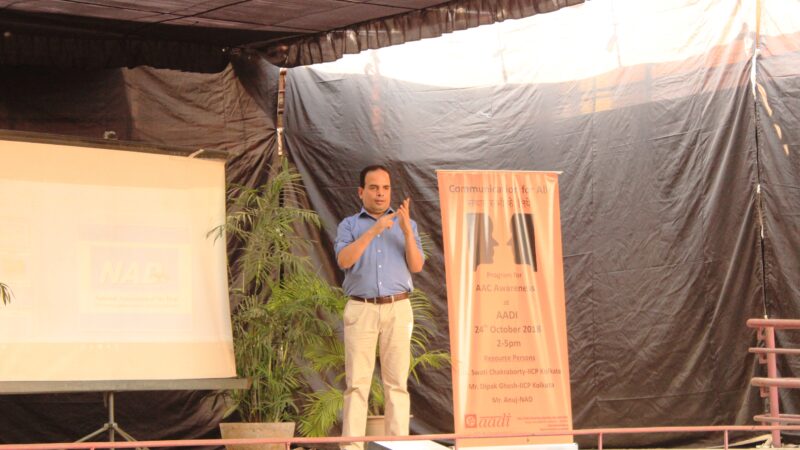
- Awareness Programs: Seminars and discussions aimed at raising awareness about disability, inclusion, and the arts.
Inclusive Recreational Activities
- Sports and Fitness: Organizing inclusive sports events and fitness activities that accommodate various disabilities.
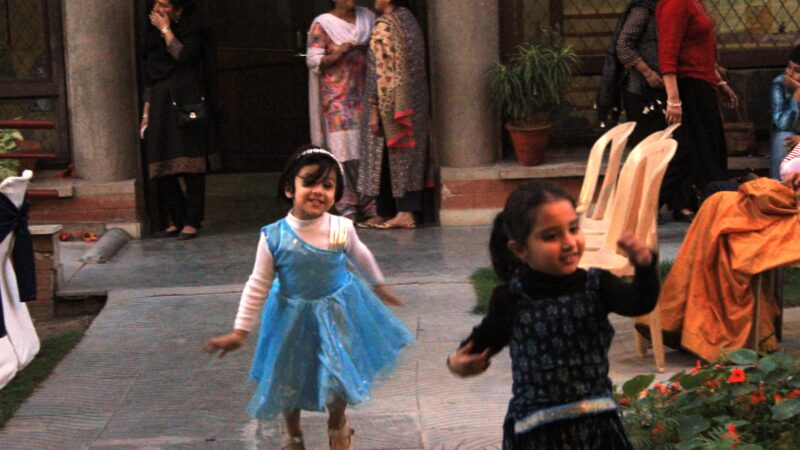
- Leisure Activities: Hosting social events, festivals, and gatherings that foster an inclusive and supportive community.
Public Awareness and Sensitization
- Media and Outreach: Using films, radio talks, podcasts, and social media to share stories, events, and achievements.
- Community Festivals: Organizing inclusive festivals to celebrate diversity and promote the cultural integration of people with disabilities.
Collaborations and Partnerships
- Artist Collaborations: Partnering with local and national artists to create inclusive art projects and exhibitions.
- Institutional Partnerships: Collaborating with educational institutions, NGOs, and cultural organizations to enhance outreach and impact.
Sambhav Resource Centre
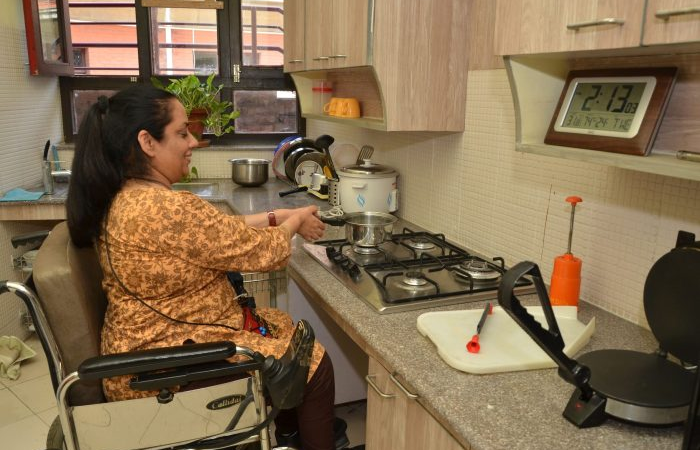
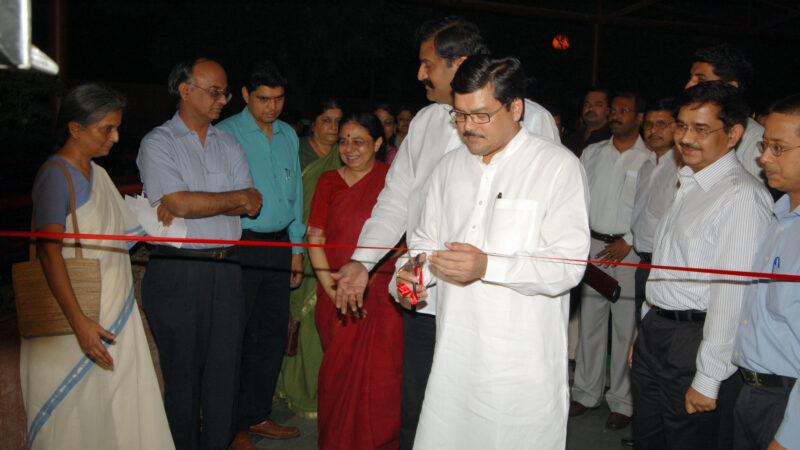
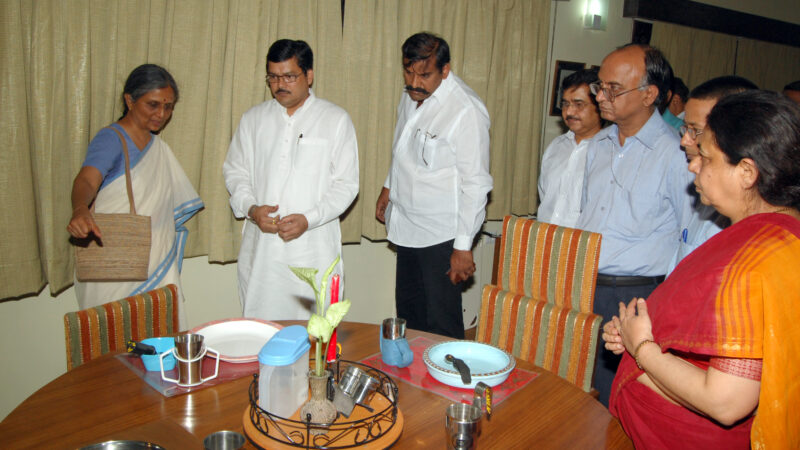
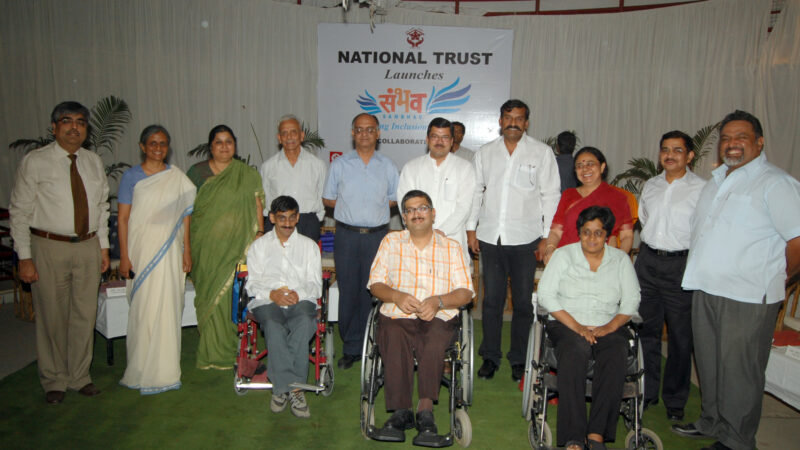
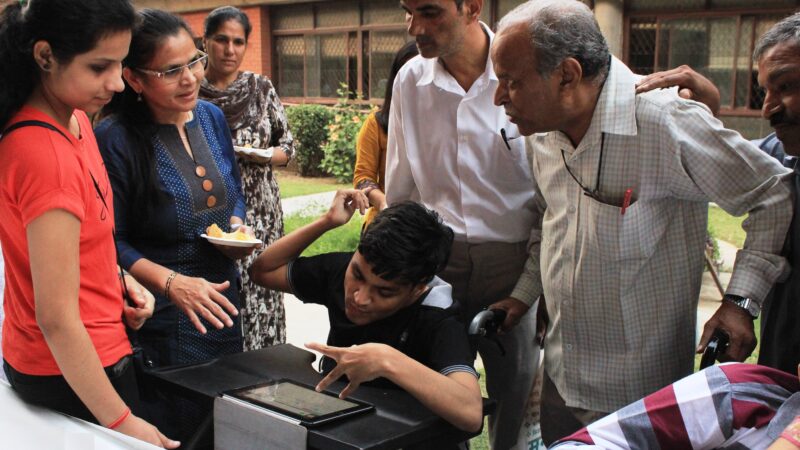
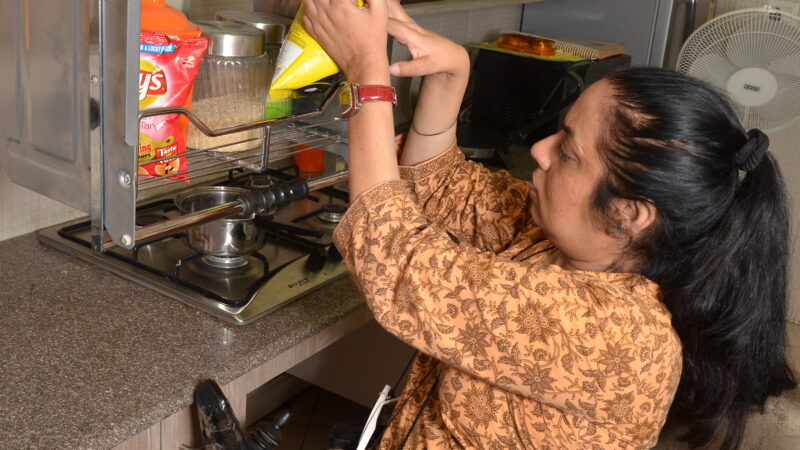
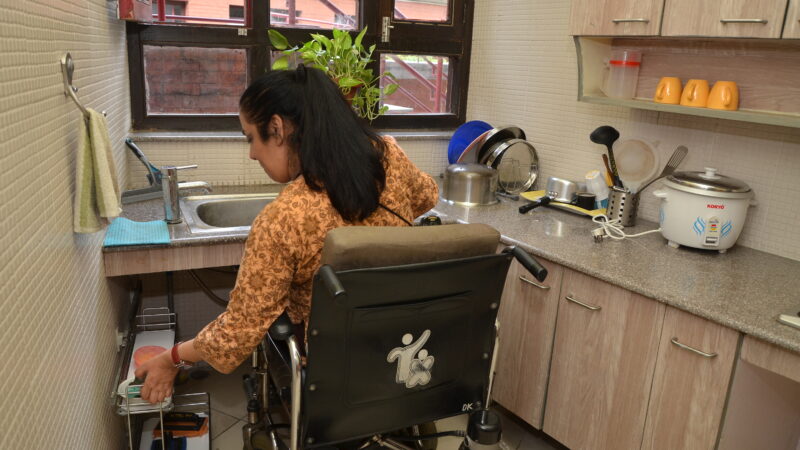
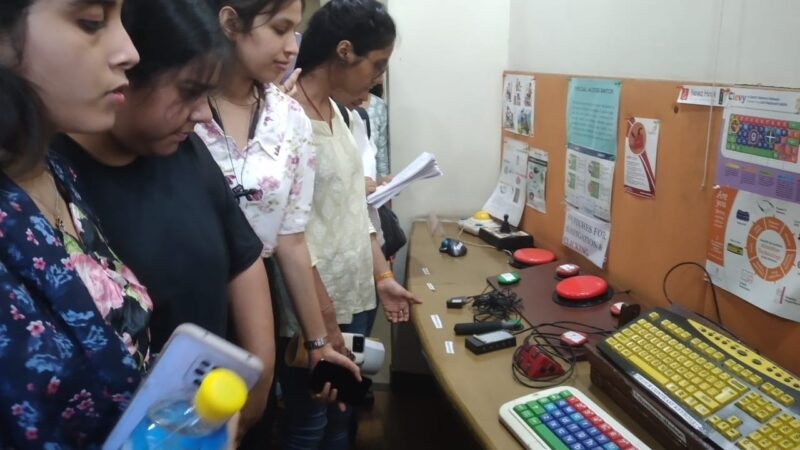
Sambhav Resource Center is a permanent exhibition showcasing assistive devices, software, and hardware for persons with disabilities. It promotes universal design and independent living, conducts assessments in communication, self-care, mobility, and computer skills, and welcomes visitors, including persons with disabilities, their families, professionals, and civil society organizations.
Join Our Efforts
AADI’s Knowledge and Resource Centre is evolving into a web-based and mobile platform to provide accessible information for policymakers, service providers, civil society, and people with disabilities. This virtual extension will mirror the physical resource center, ensuring comprehensive access to knowledge resources.